REVIEW · CHEFCHAOUEN
explore Akchour like a local
Book on GetYourGuide →Operated by Elhachimi travel · Bookable on GetYourGuide
Rif air beats a city day. This Akchour outing pairs Rif views with time in natural pools, and it’s guided in a way that feels practical, not rushed. If you’re lucky with your guide, you’ll hear the same good stories and tips that people associate with guides like Mohammed, Adel, and Mohamed.
Two things I really like: the hike is built around real river country (not just a quick viewpoint stop), and the swimming time is part of the plan, with breaks that let you catch your breath. One thing to plan for: you’ll be walking on uneven, wet ground, and you may wade a bit before you reach the best water spots, so comfortable footwear matters.
You also get a small group (up to 5), so you’re not constantly dodging strangers on the trail. For language comfort, the live guide can work in English, French, and Arabic, and there’s an English audio guide as a bonus if you want extra context.
In This Review
- Key highlights you’ll actually feel
- Akchour in the Rif: why this day feels different
- Chefchaouen pickup and the ride: timing matters more than you think
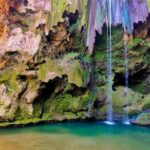
- Grand Cascade d’Akchour: photos are nice, water time is better
- The Bridge of God hike: rivers, springs, and the Gorge of Farda
- Swimming under the bridge and in natural pools: how to be comfortable
- The orange juice pause: a small ritual with big payoff
- Food after the hike: where tagine fits in
- Who this tour suits best (and who should reconsider)
- Price and value: is $71 per person worth it?
- Should you book Akchour like a local?
- FAQ
- FAQ
- How long is the Akchour experience?
- Where does the tour pick you up?
- How big is the group?
- What’s included in the price?
- Will I get to swim?
- What languages are available for the live guide?
- Do I need special gear or just shoes?
- Is this tour suitable for young children?
Key highlights you’ll actually feel
- Small group (max 5) means you can set a steady pace and ask questions without yelling over everyone.
- Bridge of God hike route takes you past rivers, springs, and the Gorge of Farda on a route that feels lived-in.
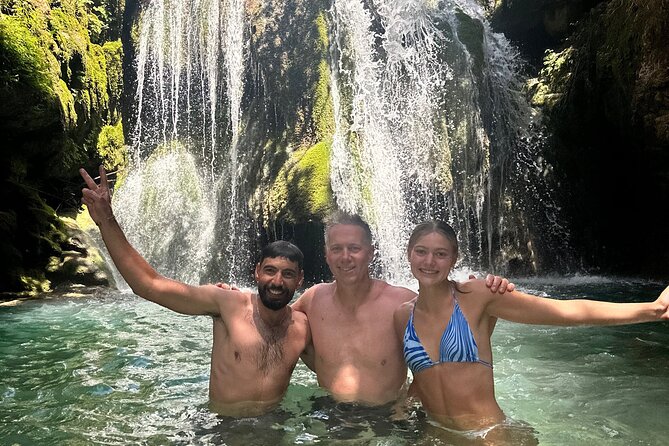
- Swimming time under the bridge and in natural pools is the day’s emotional payoff.
- Possible maccac monkeys: if conditions are right, you might spot the Morocco-native macaques.
- Orange juice break at the bridge gives you a real rest moment with a view.
- Local-food moment: your guide can point you toward a top tagine stop after the hike.
Akchour in the Rif: why this day feels different
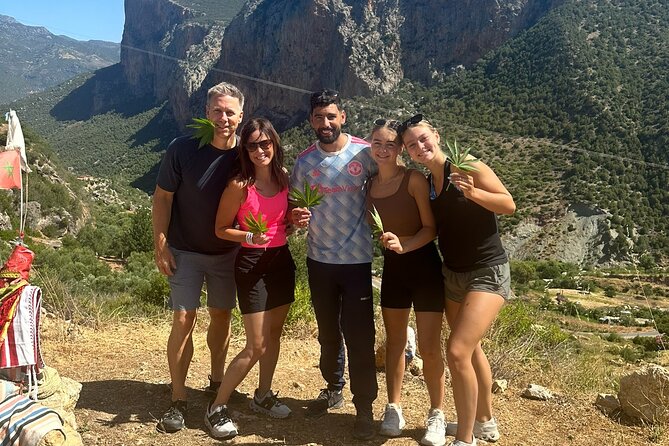
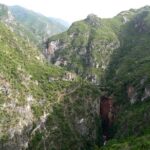
Akchour sits high in the Rif Mountains, in the Talassemtane National Park area. The big idea is simple: spend six hours in the mountains where the water is the main character. You’re not just looking at nature—you’re moving through it on foot, with chances to pause at waterfalls, river spots, and calmer pools.
What makes this work well for you is the flow. The day is paced so you’re hiking, then cooling off, then hiking again. That rhythm helps if you want an active day but don’t want your legs feeling like they’ve been through a boot camp. And since the group is small, you’re less likely to feel trapped behind a slow line.
You’ll also get that rare feeling of being in a place that’s beautiful without turning into a theme park. The trail route is tied to features like rivers, gorges, and water crossings—so even when you’re not at the most dramatic spot, the journey still has payoff.
You can also read our reviews of more tours and experiences in Chefchaouen.
Chefchaouen pickup and the ride: timing matters more than you think
Most days start in Chefchaouen, and you’ll head out by transport that gets you into the Rif in about 35 minutes. For a six-hour total outing, that leaves you with a real chunk of time outside—good news because Akchour is the reason you came.
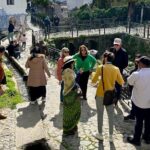
Because you’re in a small group, you’ll get a more coordinated day. You’re not watching the guide disappear ahead while you scramble to catch up. You’re also more likely to stop when it makes sense—like at scenic points, at water features, or when the guide thinks the group will benefit from a quick breather.
If you’re choosing this tour as a “one day in the mountains” plan, this structure is helpful. You’re getting an outdoors experience without losing half your day to logistics.
Grand Cascade d’Akchour: photos are nice, water time is better
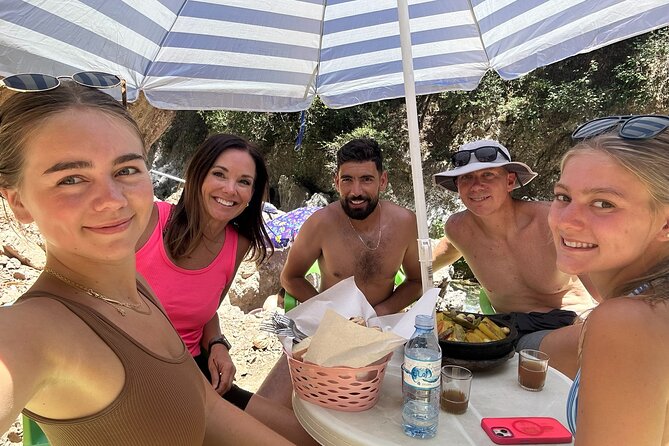
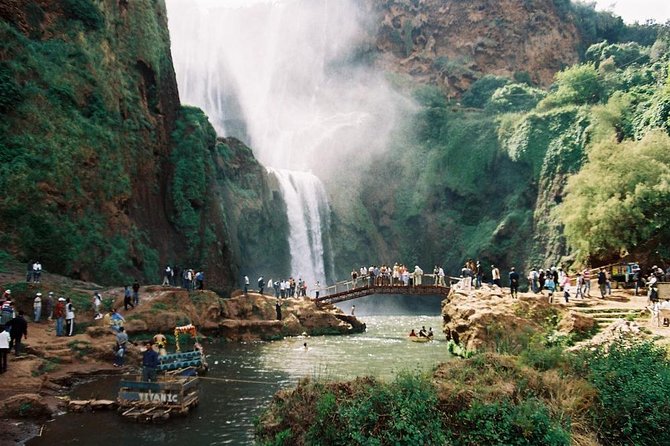
At Grand Cascade d’Akchour, you get a break that includes a mix of photo stops, guided time, and free time. This is where the day’s energy kicks in: you’ll see why people come for the waterfall area, and you’ll get a moment to orient yourself before the longer hiking sections.
Here’s the practical side: cascade zones can be slippery and crowded depending on the day, so use the free time smartly. Take photos, yes, but also watch how the guide handles footing. When you’re later walking near rivers and under bridge areas, you’ll be glad you practiced your balance early.
If you want value from this stop, think of it as a warm-up. The goal isn’t just a single shot. It’s getting your shoes ready for wet rock and your body ready for moving downhill and across uneven ground.
The Bridge of God hike: rivers, springs, and the Gorge of Farda
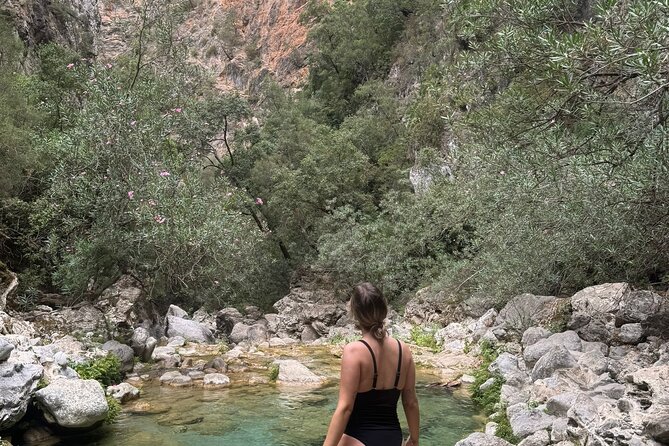
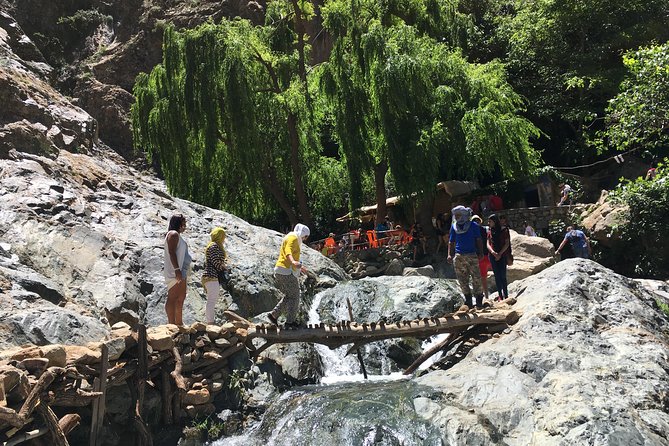
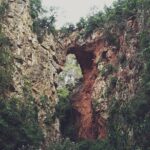
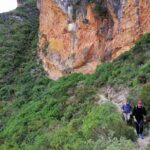
This is the core experience. Your hike heads toward the Bridge of God, and along the way you’ll pass rivers, cross springs, and move through the gorge of Farda. The bridge area is the day’s anchor point, but what makes the route memorable is the in-between: moving water, small rock channels, and quiet pockets where the sound of water is constant.
Why this matters for you: river routes have a way of changing your pace. You slow down because you’re careful, then you speed up because you can feel the cool air and mist. It keeps the hike from feeling like a straight line workout.
There’s also a wildlife possibility. If you’re lucky, you may have the chance to see the maccac—Macaques native to Morocco. I wouldn’t plan your day around spotting them, but it’s a nice extra when you’re moving quietly and staying alert to the guide’s cues.
Finally, you’ll reach a break at the bridge area with time to enjoy the view. That pause is not just for pictures—it’s for regrouping, drinking something refreshing, and letting the route settle into your memory so the rest of the walk back feels easier.
Swimming under the bridge and in natural pools: how to be comfortable
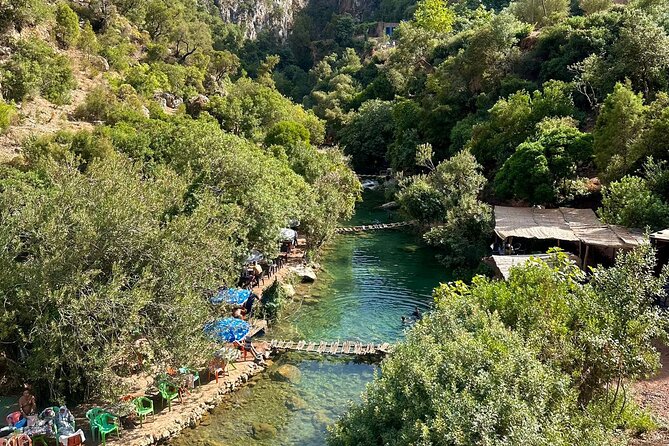
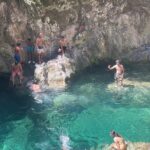
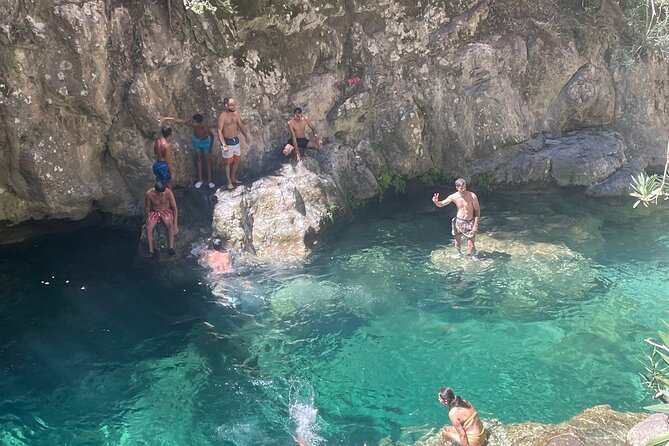
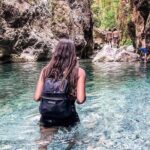
Swimming is built into the experience. You’ll have the chance to swim under the bridge and cool off in crystal-clear natural pools and refreshingly cold mountain waterfall areas. This is one of the most praised parts of the day because it turns the hike into something you feel, not just something you watch.
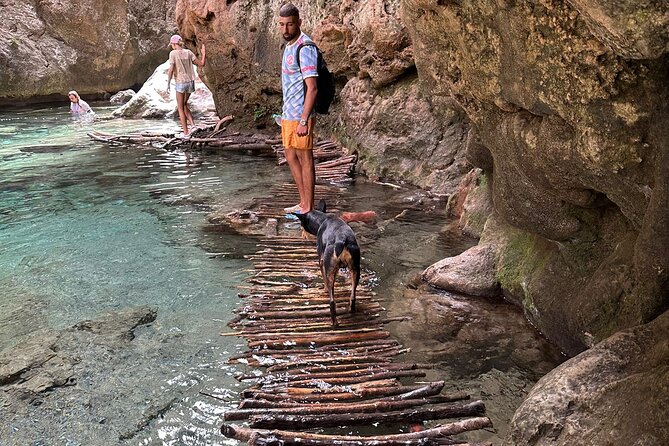
To make it more comfortable, plan your clothing like a local: wear shorts if you can. You’ll likely have to walk in the water for a bit to reach the best spots. That’s not a “maybe”—it’s a common reality on river walks. Bring shoes you don’t mind getting wet, because you’re in Rif mountain water, not a pool with a clean floor.
Also, respect the pace. The guide typically keeps the group together but can let you move at your own comfort level. In reviews, people highlight that the guide encourages everyone to go at their own pace while still staying organized. For you, that means it’s okay to take extra seconds at tricky sections.
One small caution: no matter how clear the water looks, footing around waterfalls and bridge areas can be uneven. Move slowly at the edges, keep your center of gravity under control, and treat the water like part of the trail.

The orange juice pause: a small ritual with big payoff
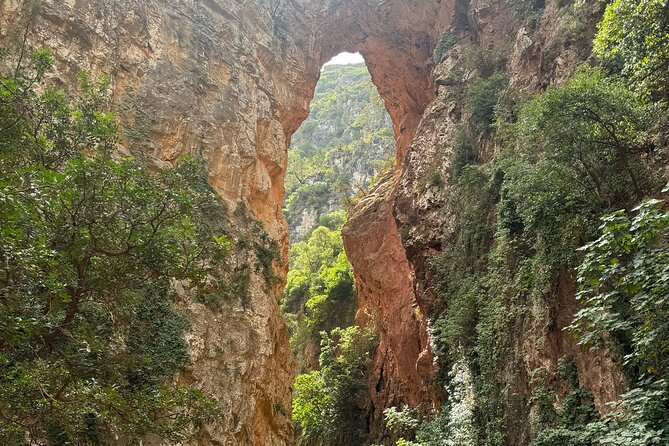
At the bridge, there’s a break where you can enjoy the beauty and also have a tasty orange juice. It’s a simple detail, but it matters because it’s timed right when you’ve worked for it.
This kind of mid-day ritual helps you in two ways. First, it breaks the hike into “chapters,” so the day feels manageable. Second, hydration and a sweet drink can make your walk back much easier—especially when you’ve already had time in cold water, which can make you forget you’re still working up a sweat.
If you’re the type who tends to skip breaks because you want to keep moving, I’d treat this stop like part of the plan. Drink something, sit for a minute, and let your legs recover.
Food after the hike: where tagine fits in
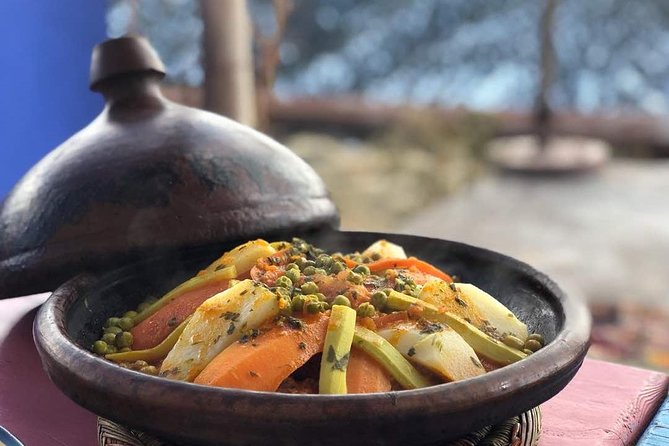
A good Akchour day should end with food that tastes like the mountains. You’ll savor traditional Moroccan dishes made with fresh local ingredients, and there’s even a helpful guide-led recommendation for where to eat a top tagine.
What I like about this approach is that it connects the food to the day. You’re not just hunting down a meal after getting wet and tired. Your guide helps you find a place where the meal matches the moment. And a tagine works perfectly after a hike because it’s warm, filling, and not fussy.
If you’re hungry enough to think about food mid-hike (very normal), remind yourself that the day’s timeline is built to get you there. You’re not drifting around looking for a restaurant while everyone else sits. Your energy should roll naturally from river time to table time.
Who this tour suits best (and who should reconsider)
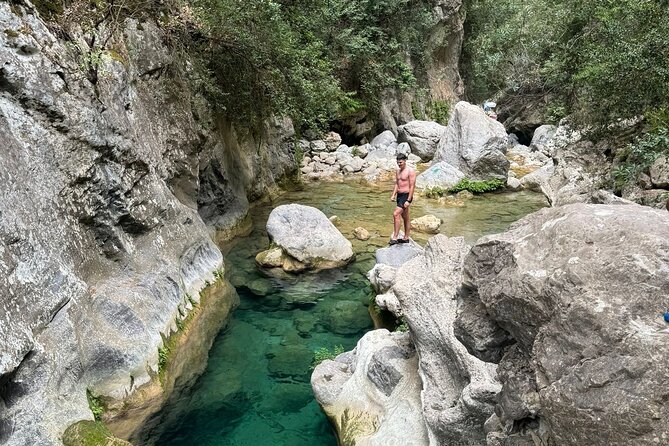
This tour is a great fit if you want an active day in the Rif with real nature time: hiking through river country, exploring waterfalls and gorge sections, and having swimming opportunities. It also fits if you like learning from a guide—especially with a day that includes bridges, water features, and possible wildlife.
It’s also a good choice for people who value small-group comfort. With a maximum of 5 participants, it’s easier to keep track of where you are and easier to manage questions about route, timing, and the best way to handle wet footing.
Who should reconsider? If you prefer a fully relaxed sightseeing schedule with no walking in uneven terrain, this may feel too hands-on. And as stated, it’s not suitable for babies under 1 year.
If you’re on the fence about swimming, you can treat it as a bonus rather than a must. But it is part of the plan, and it’s one of the most-loved reasons to book.
Price and value: is $71 per person worth it?
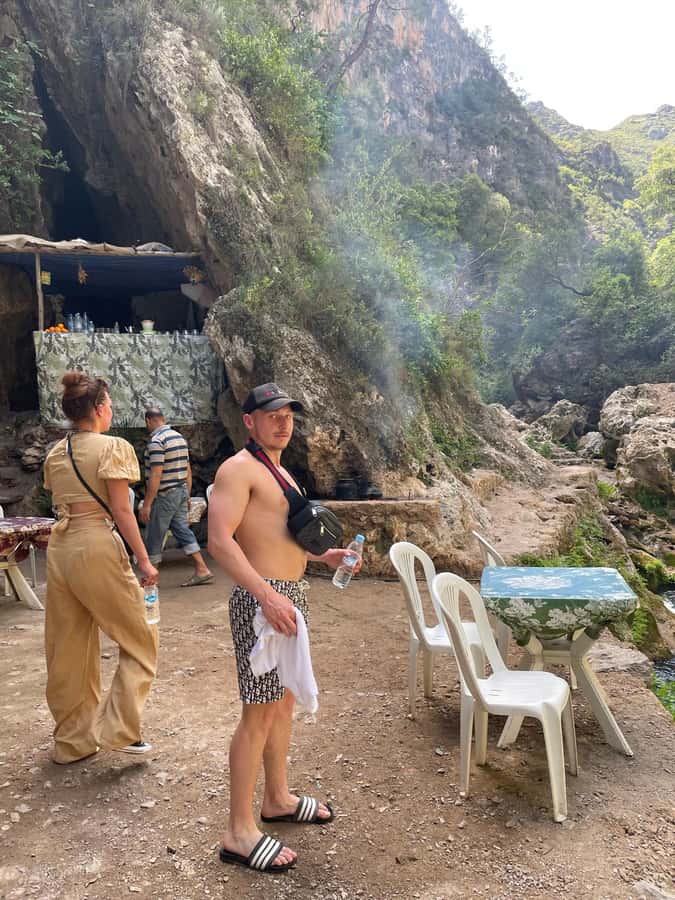
At about $71 per person for a six-hour outing, the value comes from what’s included and what you get out of it. You’re paying for a live guide, plus transportation, and you’re not spending your time negotiating routes or searching for the best river access.
The small-group size matters here. When you pay the same kind of money for a big-group hike, you often lose time and flexibility. With up to 5 people, the guide can better manage pacing, stops, and the timing of water breaks.
The guide language options are another value point. Live guidance in English, French, and Arabic helps you follow what you’re seeing and understand route cues. An English audio guide is included too, which can add context if you want a bit more background while you’re moving.
Is it cheap? No. But it doesn’t feel like a premium experience wrapped in confusion. It’s priced like a guided day with real access to river scenery, actual hiking time, and swimming opportunities.
Should you book Akchour like a local?
If you want one day in the Rif that mixes hiking, water, and local food into a single smooth plan, this is the kind of outing that fits. The best version of your day is when you enjoy moving at a comfortable pace, don’t mind getting your shoes wet, and use the breaks like they’re part of the experience—not a pause from it.
Book it if:
- you want Bridge of God hike time and river walking, not just a viewpoint
- swimming in natural pools is a priority
- you like small groups and guided context in English, French, or Arabic
- you’re aiming for a day based in Talassemtane National Park territory
Skip it if:
- you want mostly flat, low-effort sightseeing
- cold wet walking sounds like stress instead of fun
FAQ
FAQ
How long is the Akchour experience?
The tour lasts about 6 hours.
Where does the tour pick you up?
Pickup is from Chefchaouen.
How big is the group?
It’s a small group limited to 5 participants.
What’s included in the price?
The tour includes a guide and transportation.
Will I get to swim?
The day includes time to swim in natural pools and also under the bridge, as part of the route plan.
What languages are available for the live guide?
The live guide is available in English, French, and Arabic.
Do I need special gear or just shoes?
You mainly need comfortable shoes. Wear clothes that work for walking on wet ground since the route involves river areas.
Is this tour suitable for young children?
It is not suitable for babies under 1 year.