REVIEW · ESSAOUIRA
Essaouira: 3-Hour Dromedary Ride and Berber Tent Overnight
Book on GetYourGuide →Operated by Ranch De Diabat sarl · Bookable on GetYourGuide
Camels, dunes, and dinner by the sea. This Essaouira outing pairs a 3-hour dromedary ride from Ranch de Diabat with a night in a Berber tent near the ocean, plus tagine at a campfire and a simple breakfast. I like that the route covers more than just beach sand, with river crossings, dunes, and forest trails. The one real drawback to consider is that you’re sleeping outdoors near the water, so evenings can feel cool and breezy.
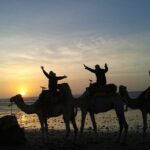
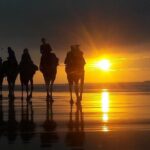
A guide such as Moustapha (you may also hear Mustafa) helps set the tone, with a calm style around the animals and a strong focus on photos and storytelling. Expect mint tea and Moroccan pastries on arrival, then a sunset that turns the coast into a slow-moving, photo-friendly scene before dinner.
In This Review
- Key Points You’ll Care About
- Why the Essaouira-to-Diabat Camel Route Feels Like a Change of Era
- Meet at Petite Porte de Bab Marrakech: Getting on the Right Car
- 3 Hours on a Dromedary: Oued River, Mogador Beaches, and Black Sultan Ruins
- From Thuya Forest to Omar Dunes: The Section Most People Will Remember
- Omar Dunes to Ranch de Diabat: Where the Day Resets
- The Berber Tent Overnight Near the Sea: Mint Tea, Sunset, and Campfire Dinner
- Dinner Under Firelight: Tagine and Beldi Bread
- Dinner, Breakfast, and the Morning Shower Back at the Ranch
- Price and Value: What You’re Paying for (and Why It’s Not Just a Camel Ride)
- Who This Tour Fits Best (and Who Might Reconsider)
- Practical Tips: What to Pack and How to Prepare
- A Quick Note on Animals and How the Day Runs
- Should You Book This Tour?
- FAQ
- How long is the dromedary ride?
- Where does pickup happen in Essaouira?
- What meals are included with the overnight?
- Is dinner a tagine?
- Is alcohol included?
- Are there age rules for riding?
Key Points You’ll Care About
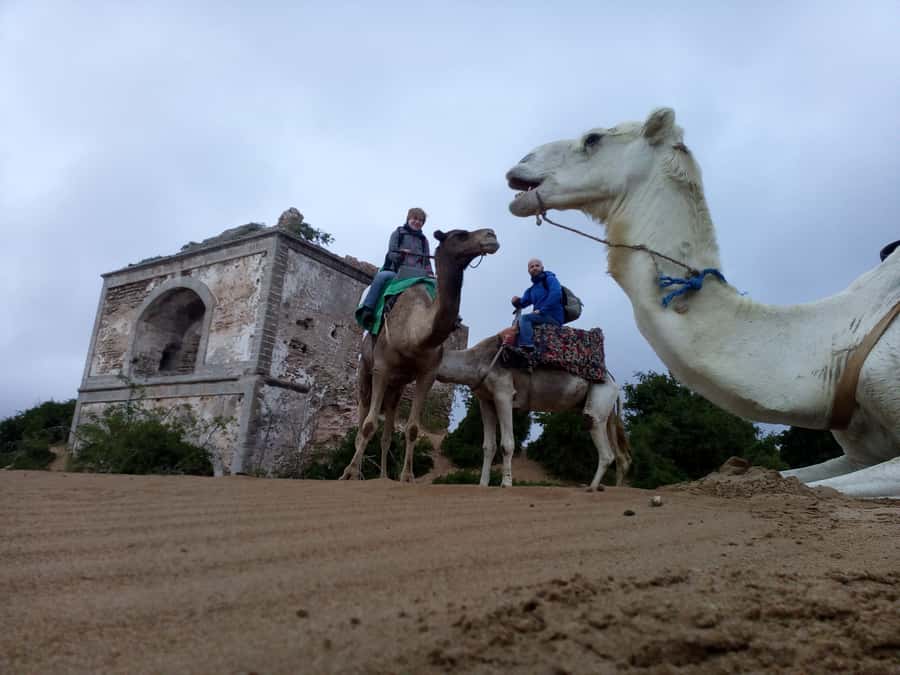
- Diabat’s beach and enormous dunes: you ride over long stretches of sand, including the big Omar dunes.
- A route with variety, not just a loop: you pass Oued River areas, beaches opposite Mogador, and ruins tied to the Black Sultan’s Palace.
- Thuya, mimosa, and eucalyptus forest crossing: part of the trip shifts from open sand to shade and track paths.
- Freshwater spring stop: you’ll pause near a spot where free-range cows drink.
- Berber camp by the sea: mint tea, mattresses and low tables in your tent, sunset views, and a campfire meal.
Why the Essaouira-to-Diabat Camel Route Feels Like a Change of Era
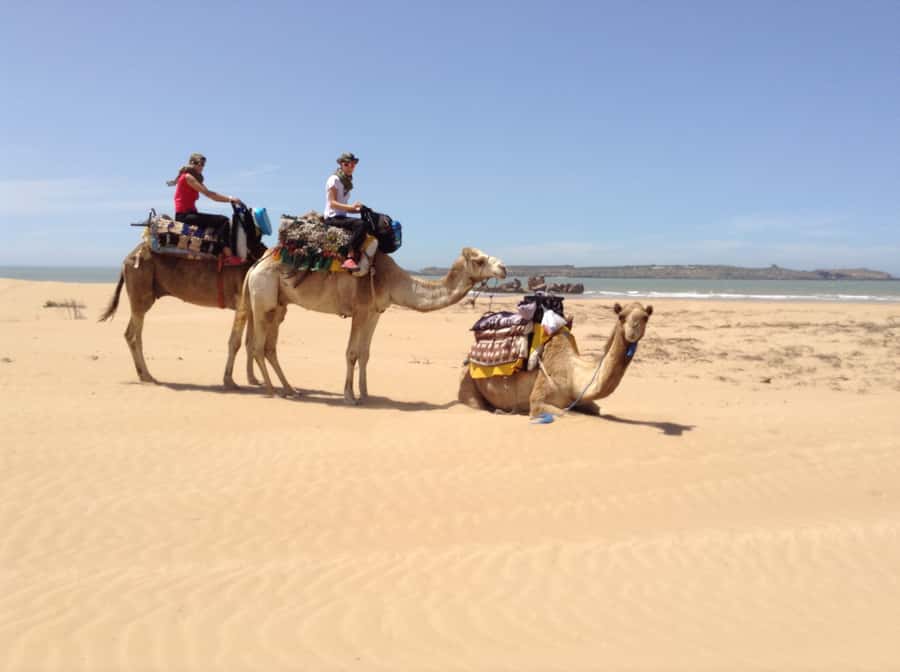
This isn’t a quick photo stop. It’s a full, slow-moving day where the pace changes the moment you climb onto a dromedary and head out across Diabat and toward dunes, forests, and coastline-adjacent stops.
What I like most is how you’re not locked into a single type of scenery. You’ll move through beach sand, dune edges, inland patches of trees like thuya and eucalyptus, and then back toward the ocean for that camp sunset moment.
A few more Essaouira tours and experiences worth a look
Meet at Petite Porte de Bab Marrakech: Getting on the Right Car
Pickup is included, and the meeting point is Petite Porte de Bab Marrakech at 211 Rue Chbanat in Essaouira. You should look for the Ranch de Diabat car with the provider name on it, since that’s how your driver will identify you.
This part matters more than it sounds. If you’re arriving in town late, you’ll want to be at the meeting point with enough buffer so you’re not stressed before your ride.
3 Hours on a Dromedary: Oued River, Mogador Beaches, and Black Sultan Ruins
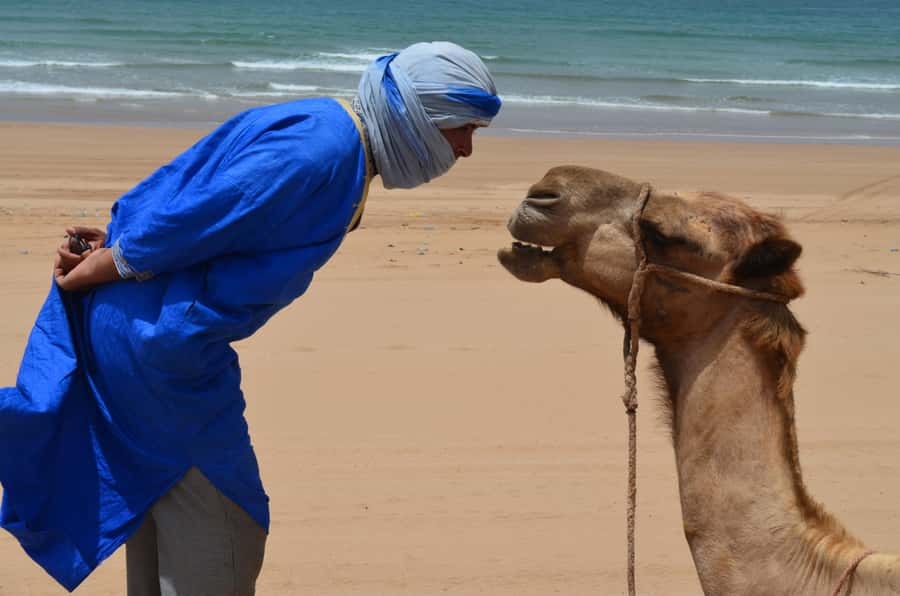
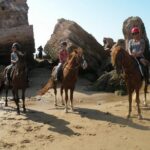
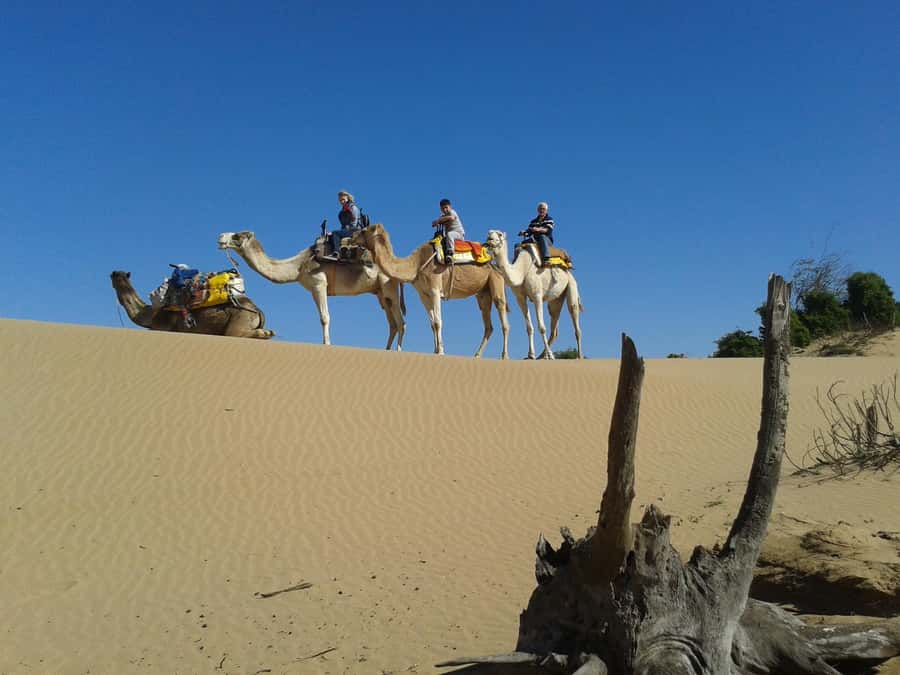
The core of the day is the 3-hour dromedary ride, and it’s built around a sequence of recognizable places and terrain changes. You start with the Oued River region, then head toward sandy stretches on the far side of the coast opposite the island of Mogador.
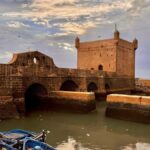
Along the way, you’ll also pass the ruins connected to the Black Sultan’s Palace. Even if you don’t read every detail on the spot, the sight of ruins while you’re still hearing the ocean wind makes the place feel layered and real.
A practical note: dromedaries carry a maximum of two people at a time, even for babies. If you’re a family, this can affect how the group is split and who rides alongside whom.
From Thuya Forest to Omar Dunes: The Section Most People Will Remember
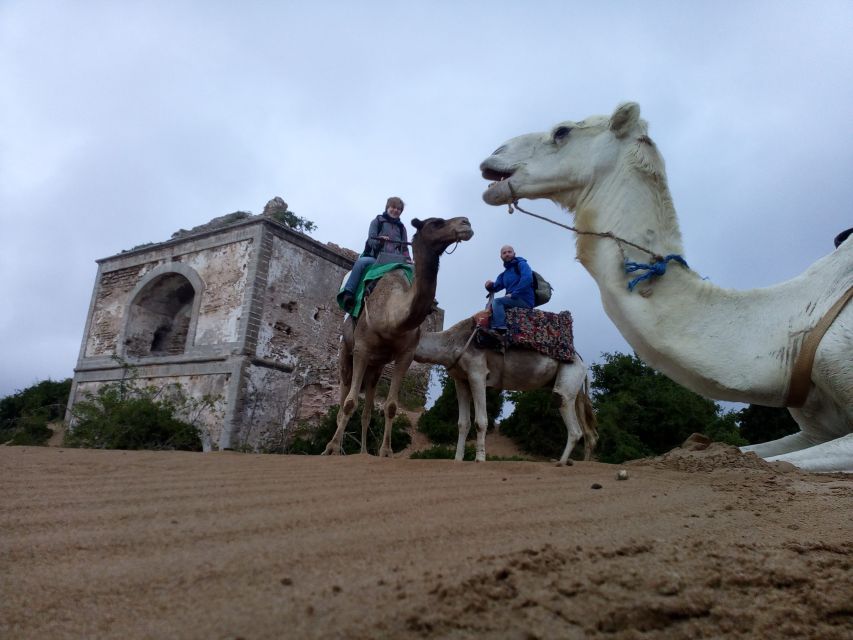
The trip doesn’t stay in open sand. You’ll cross a forest area filled with thuya, mimosa, and eucalyptus to reach the larger Omar dunes.
That forest-to-dunes shift is a big deal because it changes the feel of the ride. Shade gives your body a break, and then the dunes bring that classic sense of moving across huge, pale, rolling ground toward the sea.
Then comes the stop near a freshwater spring, where free-range cows drink. It’s simple, but it’s also a reminder this isn’t staged scenery; it’s a working landscape where animals and people share the same rhythms.
Omar Dunes to Ranch de Diabat: Where the Day Resets
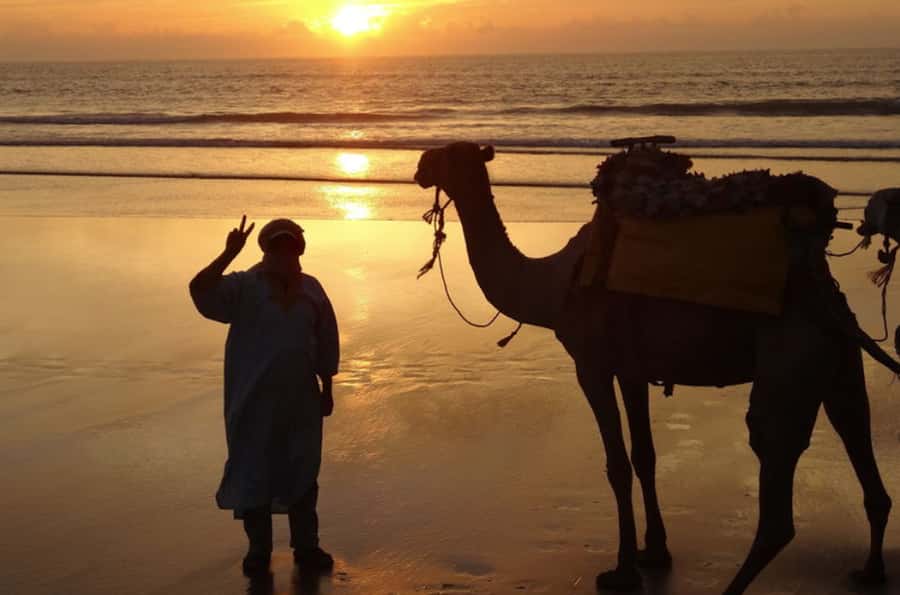
After the riding circuit, you return to Ranch de Diabat. This is when you get your mental reset before the overnight part kicks in, and it’s also where you’ll see the ranch setup that supports the whole experience.
From what you can expect, the ranch environment is set up to keep things functional and comfortable. People tend to comment on how clean and well cared for it feels, and it’s also where you can get a clearer sense of how the animals are managed.
This is also where the day turns from riding-focused to camp-focused. If you’re planning to take photos, this transition is a good time to make sure you’ve got what you need, since the best light is coming.
The Berber Tent Overnight Near the Sea: Mint Tea, Sunset, and Campfire Dinner
Once you finish at the ranch, you travel by car to the Berber camp, about 30 minutes away. The camp is set in a picturesque setting by the sea, among beaches and cliffs, which is why the sunset part feels so special here.
When you arrive, you’re greeted with traditional mint tea and Moroccan pastries. You’ll sleep in a tent equipped with mattresses and low tables, which is the difference between feeling comfortable and feeling like you’re constantly adjusting blankets all night.
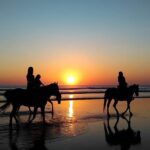
Then comes the moment you came for: sunset from the camp. You’re close enough to the coast that the horizon change feels part of the evening routine, not a separate add-on.
Dinner Under Firelight: Tagine and Beldi Bread
Dinner is served as an authentic Moroccan meal, usually featuring a tagine with meat, fish, or vegetables. You’ll also get beldi bread and seasonal fruit.
The campfire dinner format matters. Eating slowly outside, with the sound of the ocean around you, turns what could be a standard meal into part of the experience. If you’re food-focused, this is the section that feels most like a cultural evening rather than just a tour stop.
Alcoholic drinks aren’t included, so if you want something specific, you’ll need to handle that decision outside the tour.
Dinner, Breakfast, and the Morning Shower Back at the Ranch
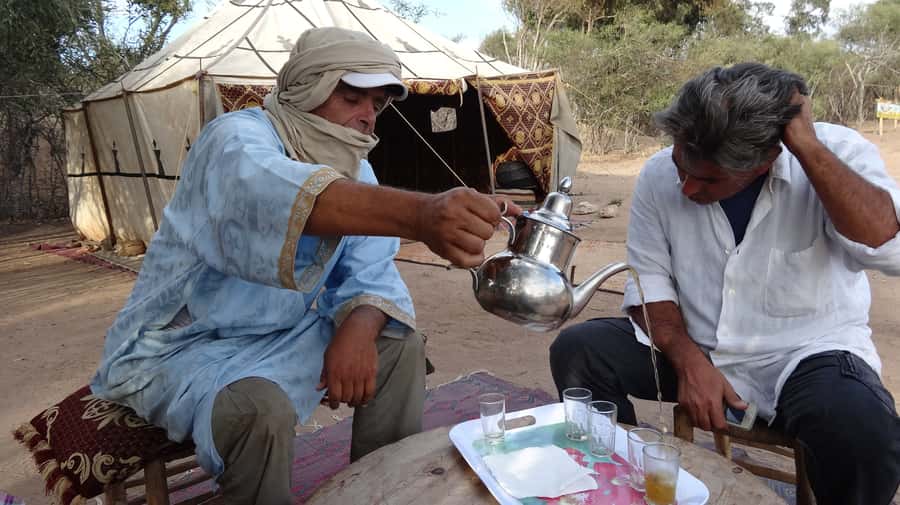
The overnight includes dinner the first night and a Moroccan breakfast the next morning. Breakfast is bread, cheese, orange juice, coffee, milk, and tea.
After that, you drive back to the ranch, where you’ll have an opportunity to take a shower. That shower option is a quiet luxury on a camel day because it helps your body recover before you head back into town.
Finally, the tour ends with drop-off in Essaouira. This is helpful because you’re not stuck arranging your own transport right after an outdoor night.
Price and Value: What You’re Paying for (and Why It’s Not Just a Camel Ride)
At $235 per person for a day that includes pickup/drop-off, a 3-hour dromedary ride, a night in a Berber tent, and both dinner and breakfast, the cost is really about bundling multiple experiences into one organized flow.
Here’s what you’re getting that would otherwise cost time and money:
- Transportation from Essaouira and back, plus the transfer to camp
- The dromedary ride time, guide support, and animal handling logistics
- Dinner and breakfast, plus water, coffee, and tea
- The overnight camp setup with bedding (mattresses) rather than just an open-air stop
What you’re not getting is alcohol. But if you treat this as dinner-and-night-in-the-countryside, the price starts to make sense.
If you compare it to doing only a daytime ride, the overnight is what turns it into a story you’ll remember. The sunset and the morning by the sea add enough value that it doesn’t feel like a half-day trick.
Who This Tour Fits Best (and Who Might Reconsider)
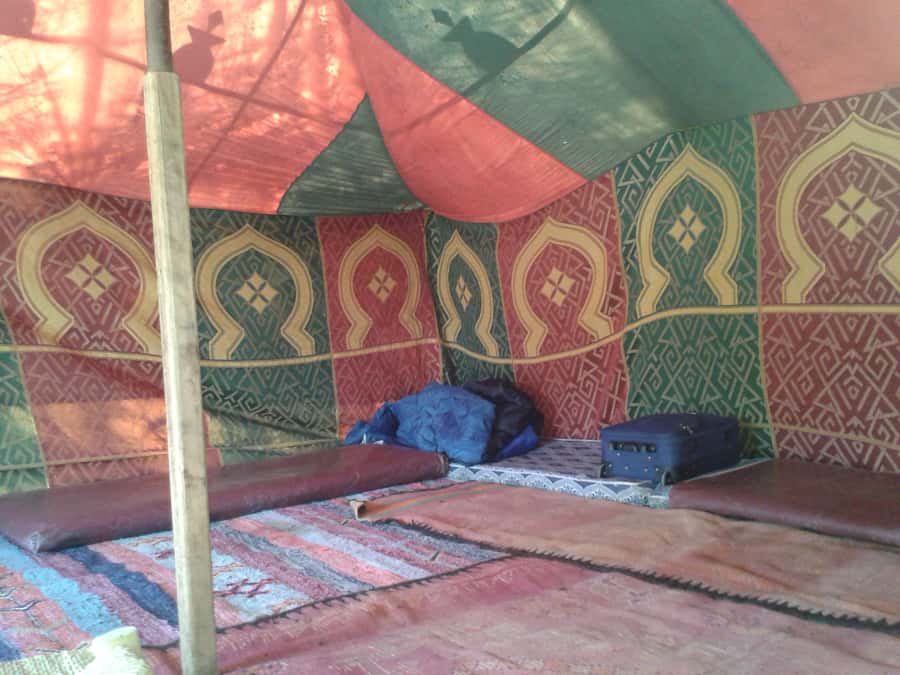
This experience is a great match if you want a true day out of Essaouira that still includes comfort. You get a guided route, organized animal riding, and a camp setup with bedding, plus food that’s more than just bread and mint tea.
It also suits people who enjoy photography and nature details. A guide like Moustapha is known for both animal care and taking great photos, which helps if you’re trying to capture dune light, campfire meals, or the forest sections between sand and sea.
You might reconsider if you’re sensitive to:
- Sleeping outdoors near the ocean (cool nights and wind are the obvious factor)
- Any discomfort from a 3-hour riding session (bring realistic expectations about saddle time)
- The fact that children ride under safety limits: each dromedary can carry a maximum of two people, and pricing depends on age and whether a child rides with an adult or alone.
Practical Tips: What to Pack and How to Prepare
Start with the basics: you’ll need your passport. For the overnight, there’s also a special permission process that requires booking early enough and sending passport details right after payment, along with Covid vaccination pass information as requested.
What to pack:
- A warm layer for the evening, since the camp is by the sea
- Something comfortable for riding and an extra dry layer in case of damp coastal air
- Sunscreen and water for the ride portion (water is included, but you’ll still want to handle your own comfort)
A small logistics tip: the tents have mattresses and low tables, but the nighttime setting is still outdoor. I’d bring a layer you can sleep in even if you think the day felt warm.
A Quick Note on Animals and How the Day Runs
One thing you can feel good about is the way the ranch day is set up. The animals are treated with a gentle approach, and the guides coordinate like someone who’s done this many times before—calm, not chaotic.
That matters because it affects your confidence on the ride. When the guide is attentive and the animals are handled with care, you spend less energy worrying and more energy watching where you’re going: river areas, dunes, forest patches, and that coastline return.
Should You Book This Tour?
Book it if you want a full, memorable day that mixes Diabat dunes, forest trails, and a Berber overnight with dinner and breakfast included. The sunset-by-the-sea setup is the kind of experience that’s hard to recreate on your own without local know-how and time.
Skip it (or choose a different option) if you’re not comfortable sleeping outdoors near the ocean or if a 3-hour riding session isn’t your thing. Also think about family logistics early, since the dromedary carrying limit and age-based pricing can change how your group gets arranged.
FAQ
How long is the dromedary ride?
The dromedary ride lasts three hours.
Where does pickup happen in Essaouira?
Pickup and drop-off are included. The meeting point is Petite Porte de Bab Marrakech, 211 Rue Chbanat, Essaouira. You should look for the car from Ranch de Diabat.
What meals are included with the overnight?
You’ll get dinner at the camp and breakfast the next morning. You’ll also have mint tea and Moroccan pastries on arrival, plus water, coffee, and tea.
Is dinner a tagine?
Dinner includes an authentic Moroccan meal with a tagine option that can be meat, fish, or vegetables, along with beldi bread and seasonal fruit.
Is alcohol included?
No. Alcoholic drinks are not included.
Are there age rules for riding?
Yes. Each dromedary can carry a maximum of two people for safety. Children under 4 are free if sharing with parents under the listed condition. Ages 5 to 8 are half price if sharing on the dromedary under the listed condition, and full price if riding alone. From age 9, it’s full price if riding alone or sharing.