REVIEW · CASABLANCA
Discover Casablanca in Side Car
Book on Viator →Operated by Experience.ma · Bookable on Viator
Casablanca, minus the slow pace. This 3-hour sidecar tour is a smart way to see the White City at street level, using an iconic sidecar style associated with the German army during World War II. I love how you’re carried between major sights without wrestling traffic, and I love the themed string of stops at the monotheistic triangle: Ettedgui Synagogue, Eglise San Buenaventura, and مسجد ولد الحمرا. One catch: it starts at 10:00 pm, and it depends on good weather.
You’ll also get a relaxed rhythm—mostly short photo-and-look moments—so you can actually take in neighborhoods, not just tick boxes. My favorite part was the human touch: guide Frederic talks like someone who genuinely wants you to feel at home in Casablanca, and you’ll even notice locals reacting to the sidecar. The tour runs as a private experience for your group, with a mobile ticket and lots of stops where admission is free.
In This Review
- Key highlights you’ll feel right away
- Sidecar sightseeing at 10:00 pm: why this timing works
- La Sqala: ramparts, fishing-port views, and the city’s edge
- The monotheistic triangle: Ettedgui Synagogue, San Buenaventura, and مسجد ولد الحمرا
- Squares and passes: Place du Commerce, Hotel Central, and the German consulate link
- Dar el Makhzen and the intramural walk: city power in stone and gates
- Hassan II Mosque on the water and El Hank Lighthouse for the payoff view
- Anfa Superior and the Casablanca Conference clue
- Quartier Habous: end your night with small streets and slow wandering
- Price and value: what $84.60 per person really buys
- Should you book Discover Casablanca in Side Car?
- FAQ
- FAQ
- How long is the sidecar tour in Casablanca?
- What time does the tour start?
- Where do I meet the guide, and where does the tour end?
- What is the price per person?
- Are admission tickets included?
- What happens if the weather is poor?
Key highlights you’ll feel right away
- Sidecar ride across key districts instead of bus-only sightseeing
- Monotheistic triangle stops in a single, logical sequence
- Hassan II Mosque viewpoint time with its water-hugging setting
- El Hank Lighthouse included with a chance to climb for the view
- Short walks in Habous and Anfa Superior to get the texture of the city
- Mostly free admission stops, which helps value a lot
Sidecar sightseeing at 10:00 pm: why this timing works
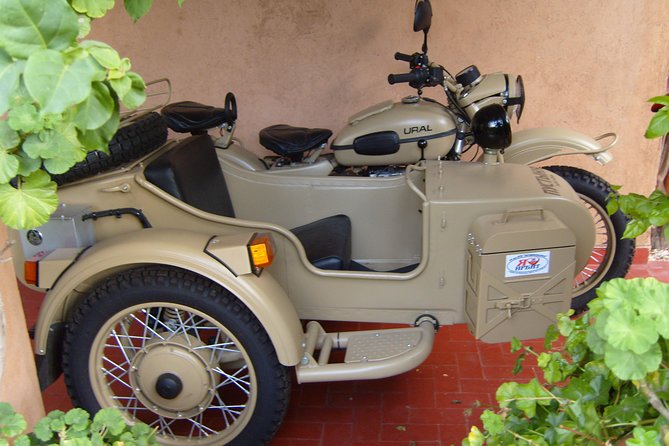
Casablanca at night has a different feel than daytime—more streetlight, more motion, more people out and about in pockets. Starting at 10:00 pm also means you’re often moving when the city is less about commuting and more about being out. The tour is built for that: you get a steady route with quick stops, not long museum marathons.
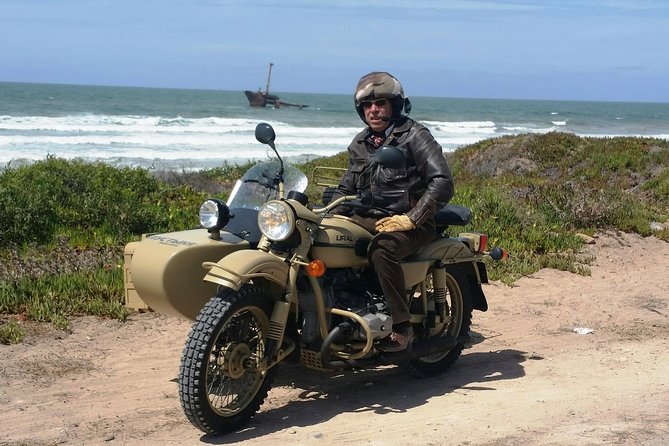
The sidecar part matters more than you might think. It’s not just transportation; it changes how you experience the city. You sit up and move with enough presence that the sights look more like real places than backdrops. And yes, this vehicle style is historically linked to the German army during World War II—so the ride comes with an extra layer of context as you pass through Casablanca’s landmarks.
This is also a private tour, meaning it’s just your group. That’s a big deal on a short, time-sensitive evening schedule. You’re not sharing the vehicle or the stops with a random crowd, and the guide can adjust pacing if someone needs a slower moment.
Practical tip: wear comfortable shoes. You’ll do some short walking (especially at the end), and you’ll be hopping on and off in quick succession.
You can also read our reviews of more tours and experiences in Casablanca.
La Sqala: ramparts, fishing-port views, and the city’s edge
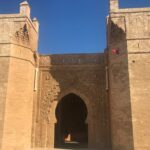
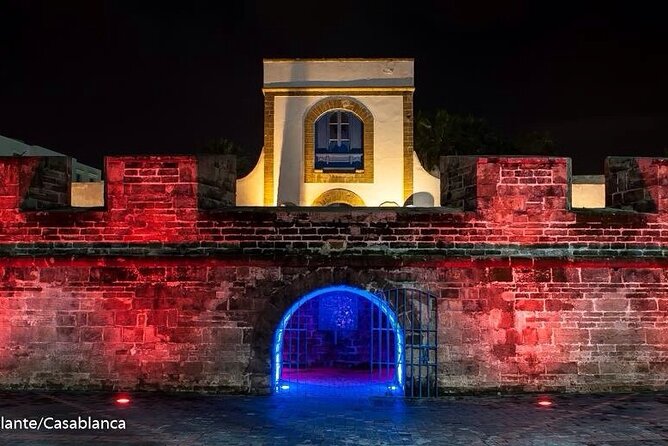
You start at La Sqala, opposite the fishing port. This isn’t one of those generic “nice viewpoint” stops. It’s a fortified monument dating back to the 18th century, and it gives you a sense of how Casablanca’s built-up story grew outward from defensive walls.
The great value here is orientation. Even before you hit the major religious and civic stops, La Sqala helps you understand that Casablanca didn’t always look like it does now. Those ramparts were practical. They controlled access to the water’s edge, and they defined where the city mattered most.
Admission is free, and the stop is about 15 minutes, so you’re not rushed through it. The timing is long enough to get a few photos and get your bearings, especially helpful if it’s your first time in town.
If you want one simple strategy: at La Sqala, spend a moment just looking. Watch how the port area functions and how the surroundings connect to the broader city. Then the rest of the route will click faster.
The monotheistic triangle: Ettedgui Synagogue, San Buenaventura, and مسجد ولد الحمرا
This is the heart of the tour’s meaning. You visit three faith sites that are described as forming the monotheistic triangle in Casablanca. The stops are short—about 5 minutes each—but they’re placed in a thoughtful sequence so you can compare architecture and presence without losing your schedule.
First up is Ettedgui Synagogue, noted as the first synagogue in Morocco. That detail alone gives you a solid anchor: this area wasn’t just Christian or Muslim history. It includes Jewish roots from Casablanca’s early days.
Next is Eglise San Buenaventura, built in the late 18th century and later rehabilitated as a House of Culture in August 2010. The church also ties to the Christian community that included Spanish residents at the time. That connection helps you understand Casablanca as a city shaped by different European and local influences, not just one.
Finally, you reach مسجد ولد الحمرا. Together, these sites are presented as symbols of long-term coexistence among the three religions.
A key consideration: because the stop times are brief, your best results come from arriving with curiosity. You don’t need to memorize dates. Just look for the visible differences in how each site presents itself, and listen to the guide’s framing so the short visits add up.
Squares and passes: Place du Commerce, Hotel Central, and the German consulate link
After the religious triangle, the tour turns outward to civic life. You get Place du Commerce et de l’Artisanat, described as the stage of the circuit, and you’ll go before it by the former consulate of Germany.
That consulate detail connects nicely back to the sidecar theme. It’s not the same story, but it creates a thread of historical presence you can feel while moving through the city. It’s a reminder that Casablanca has been a crossroads where foreign institutions mattered, especially around trade and diplomacy.
You also pass Hôtel Central, plus Bab El Masa and Ahmed El Bidaoui Square. The value here is not any single building you’ll memorize forever—it’s how you learn the city’s rhythm. These quick passes help you build a mental map: where gateways are, how squares function, and how major streets lead toward larger landmarks.
Most of these stops are around 5 to 15 minutes, and admission is free. That makes it a good setup for first-timers: you’re seeing a spread of Casablanca without feeling stuck in one place for hours.
If you’re tempted to treat this as a photo sprint: don’t. Use the short stops to catch one or two elements—like an entrance, a square angle, or signage—then move on.
Dar el Makhzen and the intramural walk: city power in stone and gates
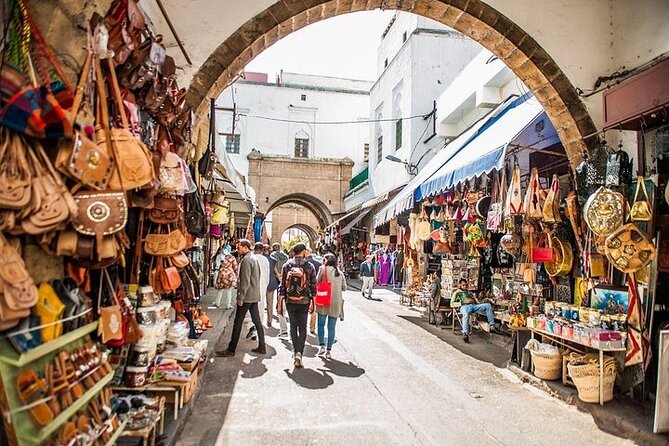
Next comes Dar el Makhzen area time. Before you arrive, the route includes a passage by the state bank of Casablanca, which signals the shift from monuments and faith sites into governance, finance, and old-city authority.
Then, the tour wraps up its intramural-style portion with passages by Jamaa El Kbir, Sidi Bousmara, and Dar Benjelloun. Even without long stays, these names matter. They point to a Casablanca that isn’t only about modern frontage; it has roots in the older urban fabric where major religious and historic structures shaped how people moved.
The stop time at Dar el Makhzen is about 15 minutes, and admission is free in this segment. That’s enough for a short look and for your guide to connect what you’re seeing with what those places represent in the city’s story.
One consideration: because this is a moving tour with multiple quick stops, you’ll get the most out of it if you stay mentally present. If you spend the whole ride staring at your phone, you’ll miss the guide’s connective tissue—the part that makes Casablanca feel coherent.
Hassan II Mosque on the water and El Hank Lighthouse for the payoff view
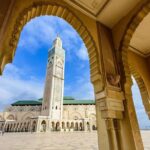
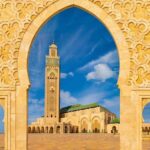
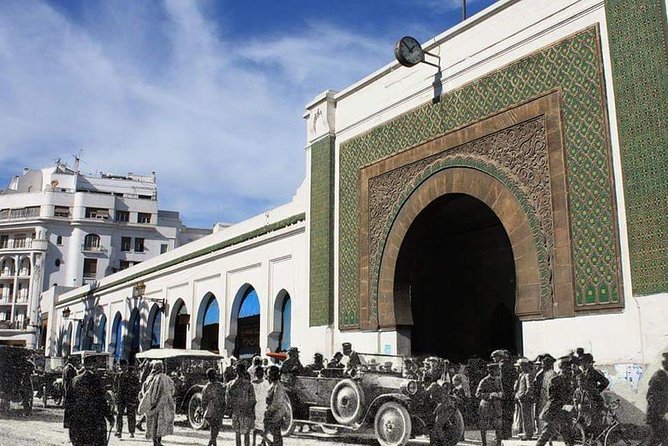
Hassan II Mosque is the big architectural moment on the route. You’ll have about 20 minutes, and the tour highlights it as an architectural masterpiece inherited on the water—so the setting is part of the experience, not just the building itself.
Even if you can only take in what’s visible from outside during a short stop, this is still worth it. The mosque’s location and scale tend to reset your sense of where you are in Casablanca. It also helps you understand why it’s such a central landmark: it’s not hidden away; it’s part of the coastline identity.
Then you head to El Hank Lighthouse. After a sidecar ride along the coast of Casablanca, you stop at the lighthouse on the tip of the city. Admission is included here, and for the lucky ones, you can even climb to the top for a panoramic view.
That’s the payoff moment. If the evening has felt like a series of quick hits, the lighthouse view is where everything comes together. You get a sense of the city’s shape stretching out from that shoreline edge.
Practical tip: if climbing is available, take it slow. It’s worth it for the view, but you’ll want your legs fresh enough after night walking and stop-and-start riding.
Anfa Superior and the Casablanca Conference clue
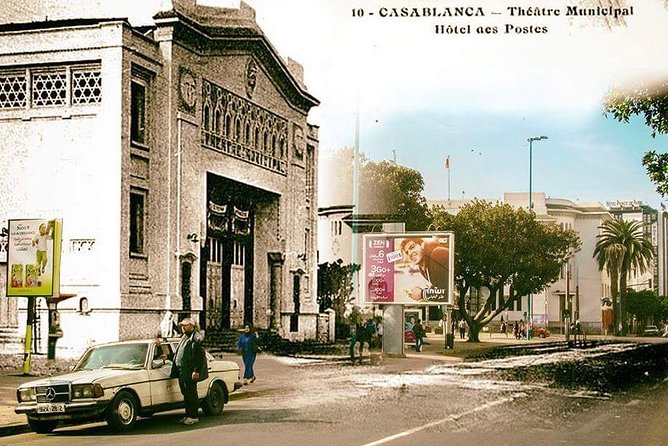
Next you walk through Anfa Superior, described as Casablanca’s chic district. You’ll spend about 10 minutes here, and the route includes a notable landmark connection: the location of a hotel that hosted the Casablanca conference, where strategy for the Allies during World War II was prepared.
That detail changes how you perceive the neighborhood. Instead of thinking only about present-day style, you start seeing the city as a stage for major 20th-century decisions.
This is also where short walking is useful. Since the tour is mostly mobile, a small walking segment lets you feel streets differently. Watch how people move, how storefronts and buildings sit at street level, and how the area transitions away from the coastline vibe.
If you like history but hate long lectures, this is a good match. You get the connection, then you move on before you get bored.
Quartier Habous: end your night with small streets and slow wandering
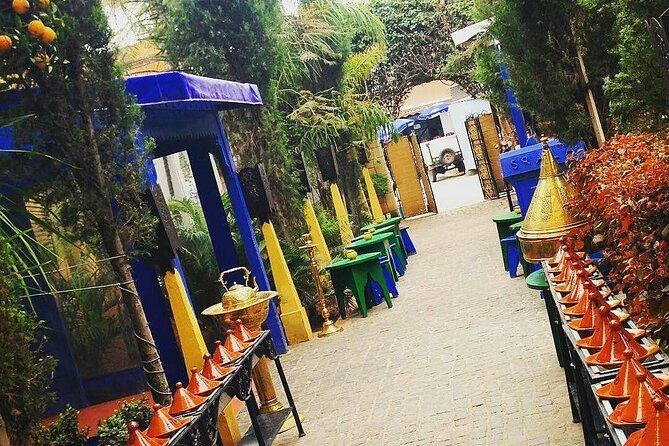
The tour finishes in Quartier Habous with about 30 minutes to walk the many small streets. This is the part that feels most like a human-scale neighborhood, rather than a landmark checklist.
The Habous area is a strong close because you’re not just looking at famous objects. You’re moving through streets where the city’s texture shows up—street corners, narrow lanes, and everyday movement. It’s also a nice contrast to earlier stops that were centered on major institutions and religious sites.
Admission is free for this portion, and you’re ending back at the meeting point, so you’re not stuck figuring out late-night transit on your own.
Two quick tips to make this final stretch enjoyable:
- Keep a little patience for crowding at street corners.
- Don’t try to cover every lane. Pick a direction and wander.
Price and value: what $84.60 per person really buys
At $84.60 per person for about 3 hours, you’re paying for three things: the sidecar transport, the route planning, and the access to a structured sequence of stops with lots of free admission along the way.
That matters. Many guided city experiences feel expensive because you’re paying mostly for time and logistics. Here, the math gets better because most stops are listed as free admission tickets, and the lighthouse admission is included.
You’re also getting a private tour for your group. If you’re traveling with friends or family, private format can add up to real savings compared with booking multiple separate excursions or paying for repeated transportation.
One more value point is the guide-led framing. The tour length is tight—so the guide has to make it make sense quickly. From what I’ve seen in similar city rides, this is where a strong guide earns their fee. And with Frederic, the tone described is all about helping you connect with Casablanca rather than reciting facts at you.
If you’re sensitive to late-night schedules, remember the start time is 10:00 pm. If that’s not your vibe, you may prefer daytime sightseeing.
Should you book Discover Casablanca in Side Car?
I’d book it if you want a first-time-friendly Casablanca overview that feels more like a guided street experience than a rigid sightseeing circuit. The sidecar element turns transit into part of the fun, and the “monotheistic triangle” sequence gives the tour a clear theme you can actually remember.
I’d skip it only if you hate late starts or you’re picky about long interior visits. This tour is built for short stops and moving segments, so plan to focus on what you can see and understand in that window—then let the neighborhood walking (especially at Quartier Habous) do the relaxing.
If the weather is good and your schedule can handle a 3-hour ride that starts late, this is a strong value way to get grounded in Casablanca.
FAQ
FAQ
How long is the sidecar tour in Casablanca?
It’s about 3 hours.
What time does the tour start?
The start time is 10:00 pm.
Where do I meet the guide, and where does the tour end?
You meet at La Sqala (J93J+564, Bd des Almohades, Casablanca 20250, Morocco), and the activity ends back at the meeting point.
What is the price per person?
The price is $84.60 per person.
Are admission tickets included?
Most stops are listed as free admission, and El Hank Lighthouse has admission included. You also receive a mobile ticket.
What happens if the weather is poor?
This experience requires good weather. If it’s canceled due to poor weather, you’ll be offered a different date or a full refund.