REVIEW · CASABLANCA
Casablanca: City Tour with Round-Trip Cruise Port Transfers
Book on GetYourGuide →Operated by Always Ready Tours · Bookable on GetYourGuide
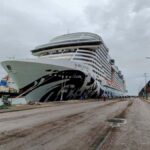
Casablanca can feel big fast. This tour turns that chaos into clear sights and easy timing with cruise-port transfers. I like that you get a practical route—Hassan II Mosque views, the Corniche drive, and the Old Medina—without spending your day figuring out what’s where. I also like the human factor: guides such as El Mehdi, Saad, Mohamed, and MUS were praised for answering questions and keeping things friendly. One possible drawback: if you want lots of time to wander slowly on your own, a packed highlights route may feel tight.
The ride is comfortable and simple. You’re in an air-conditioned vehicle with WiFi onboard, plus bottled water and wet wipes, which matters after a few busy stops. The tour does include many neighborhoods and landmarks in a single day, so plan for photos on the move and expect a calm but structured pace rather than long breaks.
In This Review
- Key takeaways before you go
- Getting Oriented Fast in Casablanca (and Why That Matters)
- Hassan II Mosque and Corniche: The Big-Name Start
- Old Medina Souks: Reading the City Like a Map
- Art Deco Casablanca and Mohammed V Square: A City With Layers
- Habous Quarter and the Central Fish Market: Local Life, Guided
- Rick’s Café: Film-Spotting Without Overthinking It
- Churches on the Route: Notre-Dame de Lourdes and Sacré-Cœur
- Anfa Residential Quarter and the Mosque Views: City Comfort Zone
- Place des Nations Unies: The Easy Ending Before Returning
- Price and Value: Is $40 a Smart Use of Your Time?
- Who This Tour Best Suits (and Who Might Prefer Another Plan)
- Should You Book This Casablanca City Tour?
- FAQ
- How much does the Casablanca city tour cost?
- Does the tour include pickup and drop-off from the cruise port?
- What does the tour include for transportation and comfort?
- Which main sights and areas are part of the tour?
- Are entry fees included anywhere?
- What is not included in the tour price?
- What languages are the guides available in, and can I reserve with flexible payment?
Key takeaways before you go
- Round-trip cruise port transfers keep you from timing-stress and last-minute taxi math.
- Hassan II Mosque panorama gives you a strong first impression even if mosque access timing is limited.
- Corniche + Atlantic views are built into the route, so you get the ocean angle without extra planning.
- Habous Quarter and the central fish market bring you face-to-face with everyday Casablanca.
- Stops in multiple architectural styles (Art Deco, neo-gothic churches, and the medina) help you read the city.
- Guides like El Mehdi and Saad are repeatedly praised for clarity, adaptability, and warmth.
Getting Oriented Fast in Casablanca (and Why That Matters)
Casablanca isn’t short on things to see. It’s short on patience if you’re trying to do it all alone after a long cruise day. This tour is built for orientation: it strings together the signature sights and the everyday areas in a route that makes sense geographically, so your photos and memories stay connected instead of feeling like random stops.
The other underrated benefit is how the day is supported. You get picked up from your accommodation (and the cruise-port connection is handled as part of the service), then transported in an air-conditioned vehicle. You’re also not stuck buying basic comforts one by one; bottled mineral water and wet wipes are included, and WiFi onboard helps you check directions or share pics without draining your phone battery.
You can also read our reviews of more boat tours in Casablanca

Hassan II Mosque and Corniche: The Big-Name Start
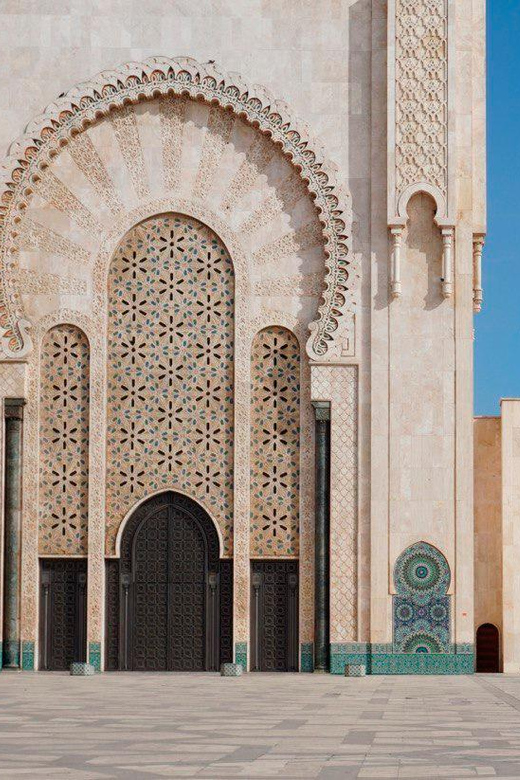
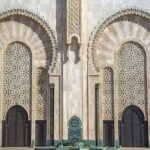
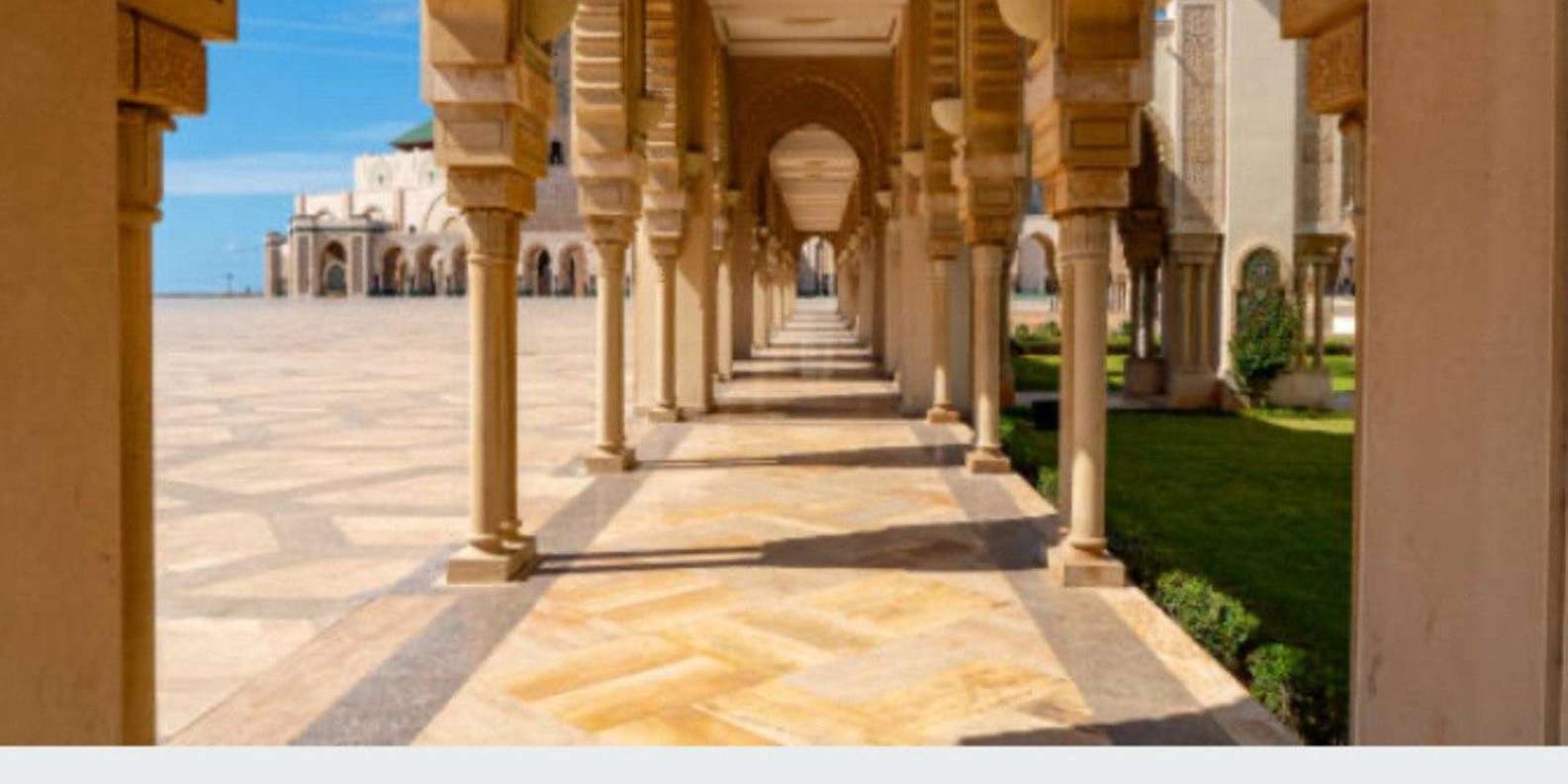
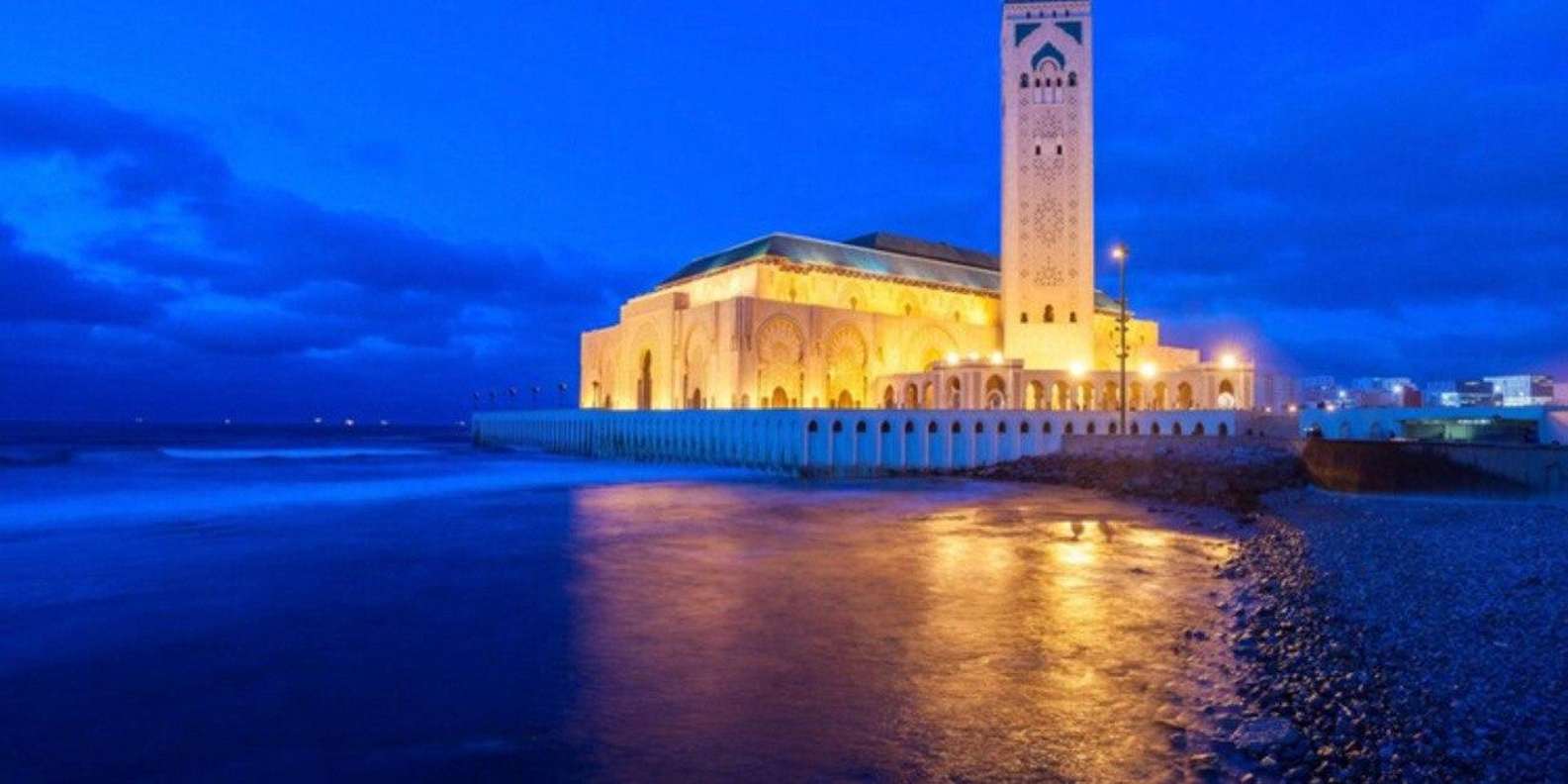
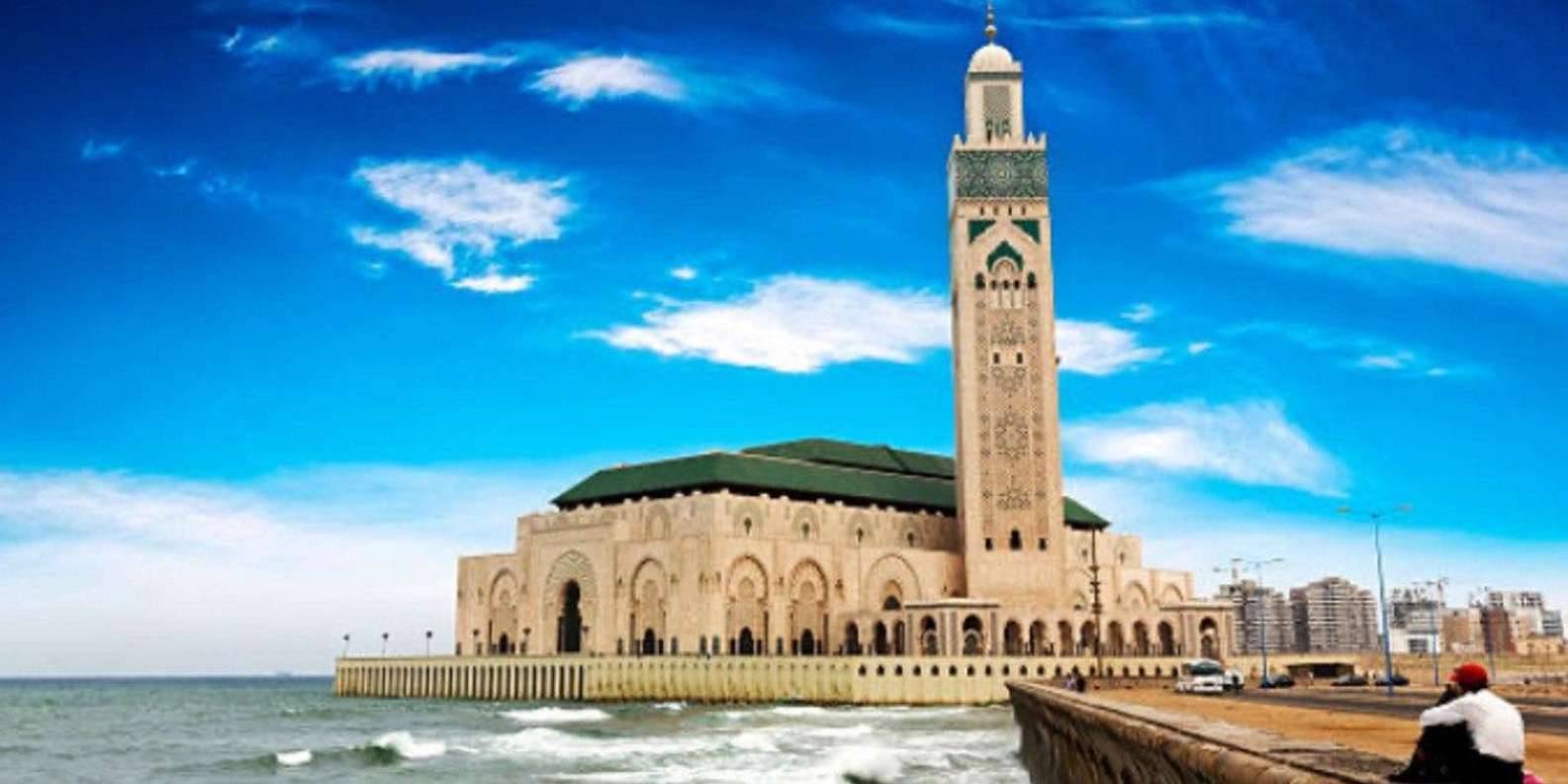
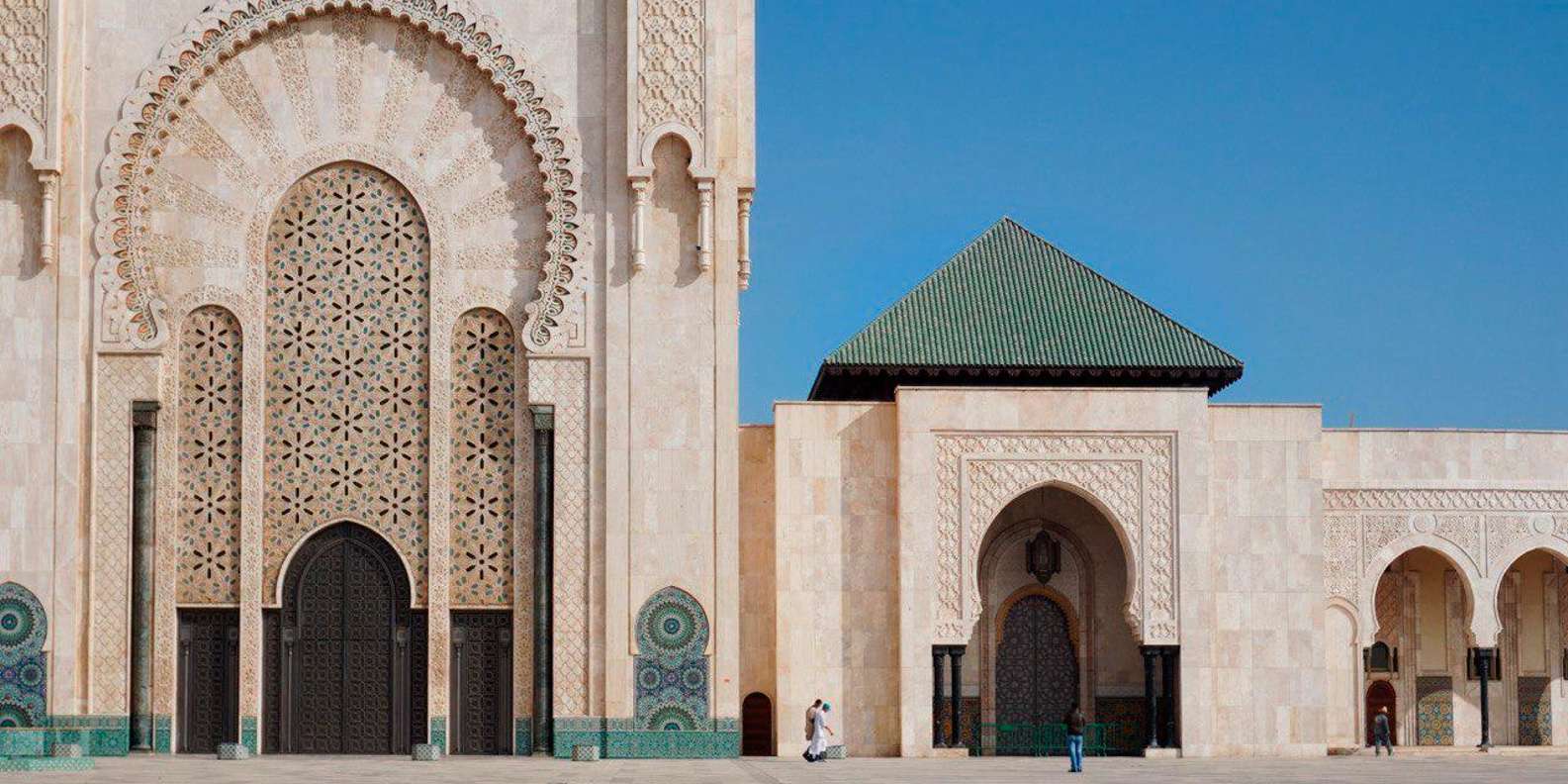
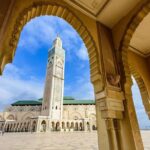
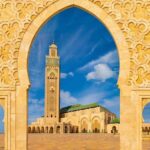
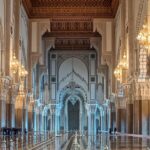
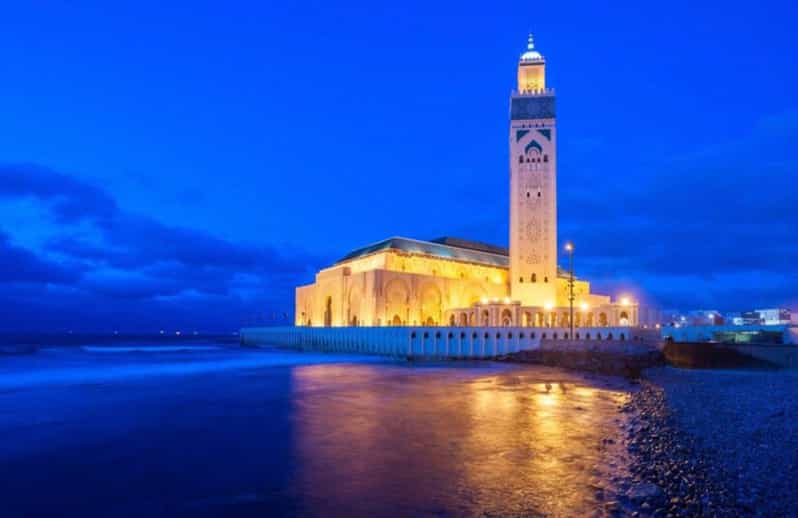
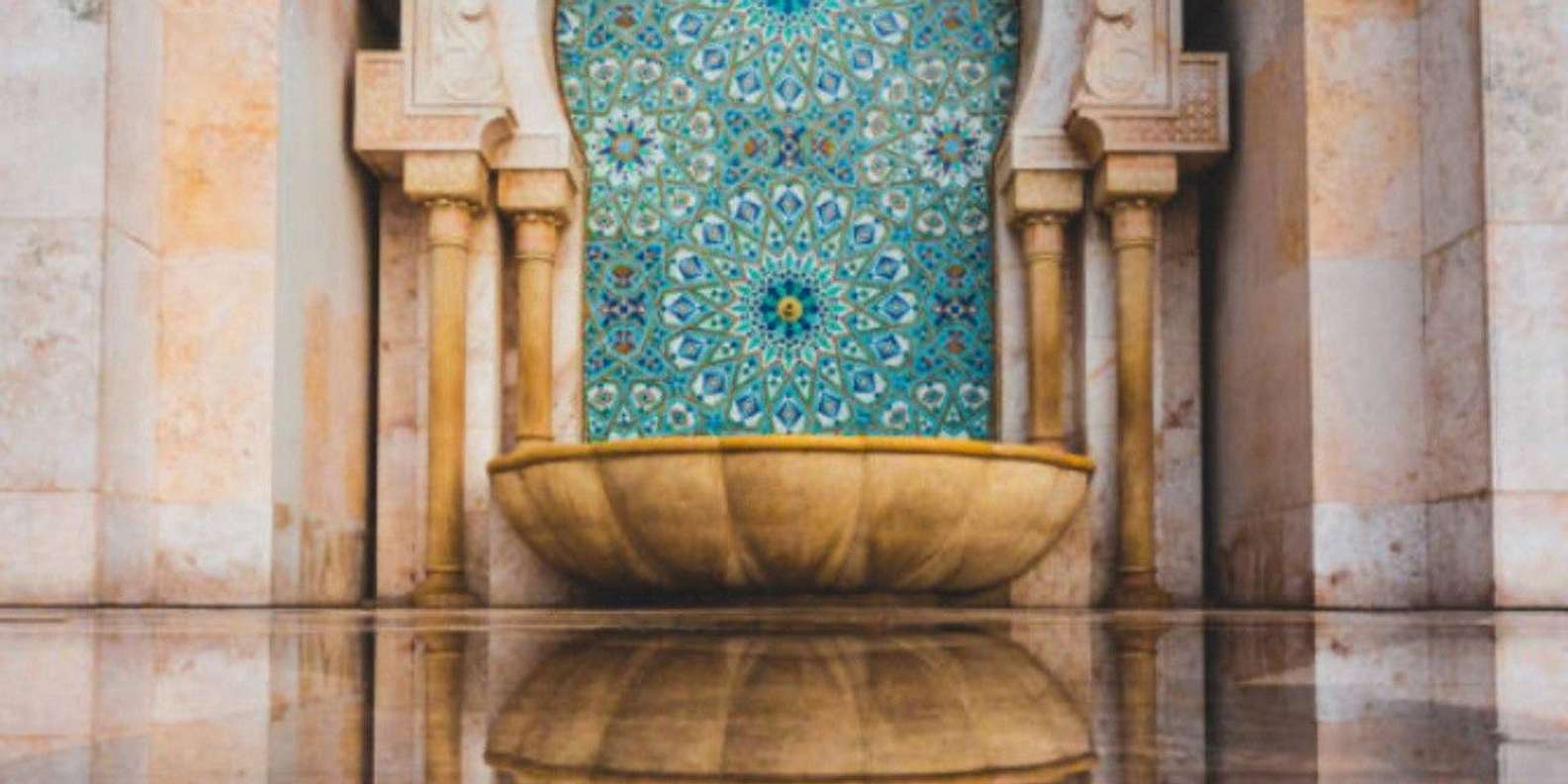
Most first-timers in Casablanca start with one question: where do I begin? This tour begins with the Hassan II Mosque area, plus a panoramic view that helps you understand why the mosque is such a focal point in the city. Even from outside viewpoints, you can appreciate the scale and the detailed architecture that makes this one of Morocco’s most recognizable landmarks.
Right after, you’ll head along the Corniche, the Atlantic-side stretch that frames the city. The scenic drive is part of the experience, but what I like is the practical setup: you don’t just get a viewpoint and leave. You get the ocean perspective, a chance to reset your bearings, and photo-friendly pacing before moving into the older quarters.
If you’re the type who likes one “anchor” sight early, this route gives you that. If you prefer to ease into a city with quieter streets first, you might feel the energy is high from the start—but that’s also why it works well on a limited time schedule.
Old Medina Souks: Reading the City Like a Map
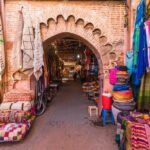
After the modern coastline moment, you shift into the Ancient Medina—narrow streets, stalls, and the rhythm of local commerce. This is where the city starts to feel lived-in rather than postcard-perfect. You’ll walk through the souks and see how everyday Casablanca operates: people moving goods, vendors calling out, and shoppers scanning products with confidence.
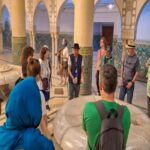
What I value here is that you’re not just wandering with no plan. A guided route helps you follow the flow without feeling like you’re aimlessly cutting corners. You’ll also be able to ask questions in real time—especially useful if Arabic and French are around you in everyday signage and you’re trying to understand what you’re seeing.
Practical tip: wear comfortable shoes and keep your phone accessible but not out constantly. Medina streets are tight. Speed bumps are mostly not on your schedule.
Art Deco Casablanca and Mohammed V Square: A City With Layers
Casablanca has more than one face. This tour includes the Art Deco district, which is an easy win for travelers who like architecture that looks different from the medina. You’ll see the streets shaped by early 20th-century design, and it helps you connect Casablanca’s colonial-era influence to the city you’re walking through today.
From there, the route includes Mohammed 5th Square. It’s a strong transition point between the older, more textured streets and the more central civic feel of the city. Even if you don’t hang around long, the square gives you a “reset” moment—wide space after narrow streets—and helps your brain build a clearer map of where you are.
This portion is less about buying souvenirs and more about observation. If you enjoy street-level details—facades, lines, proportions—this is the section where your camera will actually get a workout.
Habous Quarter and the Central Fish Market: Local Life, Guided
One of the most rewarding parts of this tour is the time in the Habous Quarter. The included focus is on traditional markets, artisan workshop areas, and the architecture that gives the neighborhood its distinct identity. It’s not a generic “walk and shop” loop. You’re guided to areas where you can understand how people work, trade, and build their daily routine.
You’ll also visit the Central Market (fish market). That stop can be surprising in the best way, because it’s not designed to impress visitors—it’s designed to move product. You get to see the scale and energy of a real market setting, which is exactly what makes it memorable: it feels like you’re witnessing a function of the city, not just viewing a set.
Entry to the Quartier Habous is included, which helps remove a common hassle. You don’t have to track down ticket lines mid-day while also managing crowds and heat.
If you’re sensitive to strong smells or close-quarters crowding, go in with a calm mindset and move at your pace. The market environment can be intense, but having a guide helps you navigate without feeling overwhelmed.
You can also read our reviews of more city tours in Casablanca
Rick’s Café: Film-Spotting Without Overthinking It
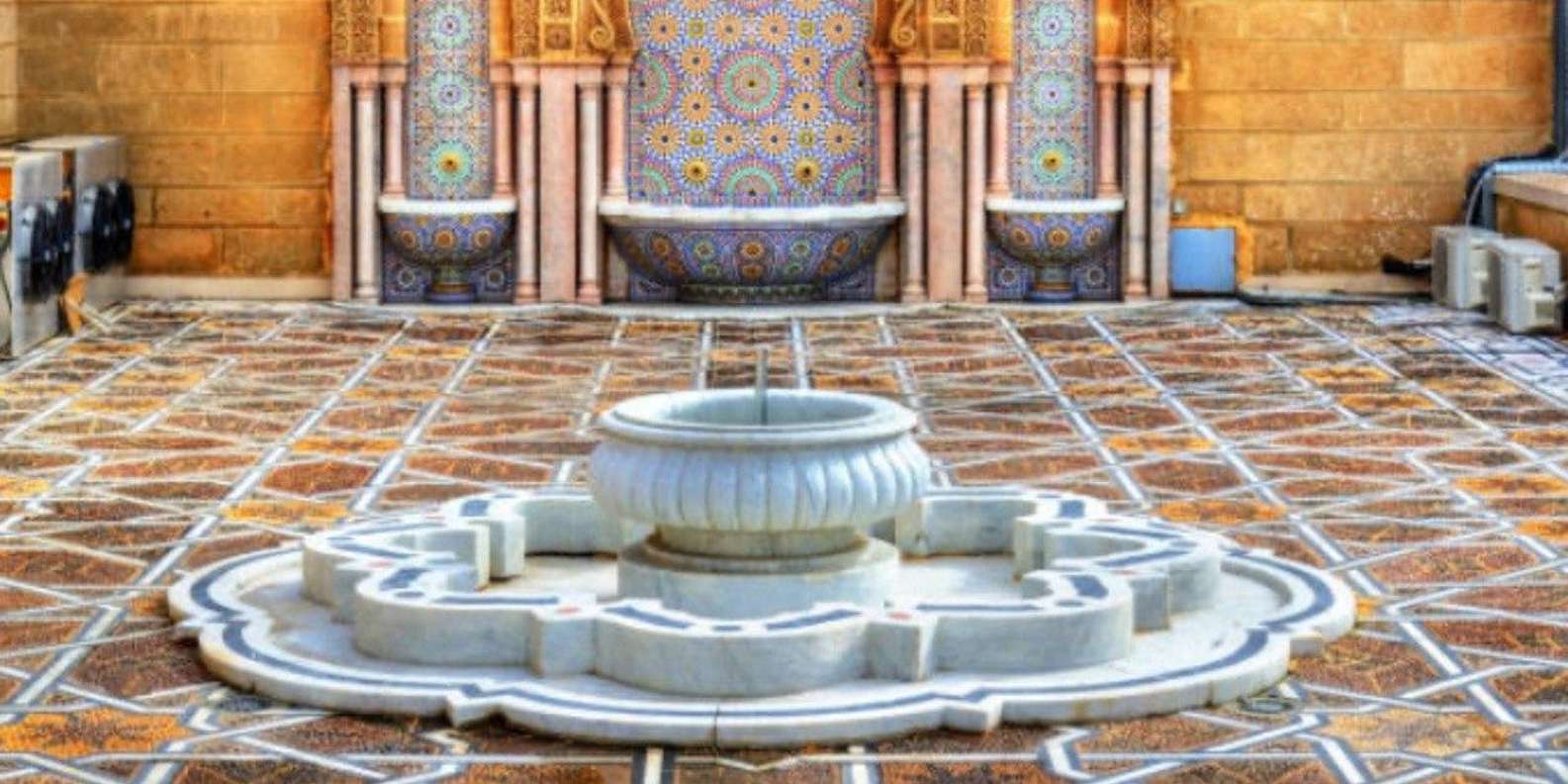
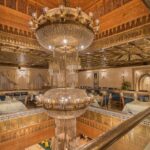
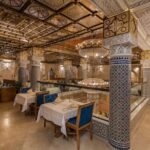
Casablanca is also a movie-shaped city. This tour includes a stop at Rick’s Café, inspired by the classic film. You can take in the nostalgia vibe and enjoy a refreshing beverage or snack as a break from walking.
Here’s how I’d frame it: treat this as a short pause, not the day’s main event. You’re not going to learn Casablanca’s whole story from a café stop. But it does provide a moment of comfort, a familiar theme, and an easy place to regroup—especially if your group includes a mix of ages and interests.
If you’re traveling with foodies or people who want one recognizable “Casablanca moment,” this stop will land well. If you’d rather skip anything that feels themed, you can still use it as a rest stop and step back into the city once you’re ready.
Churches on the Route: Notre-Dame de Lourdes and Sacré-Cœur
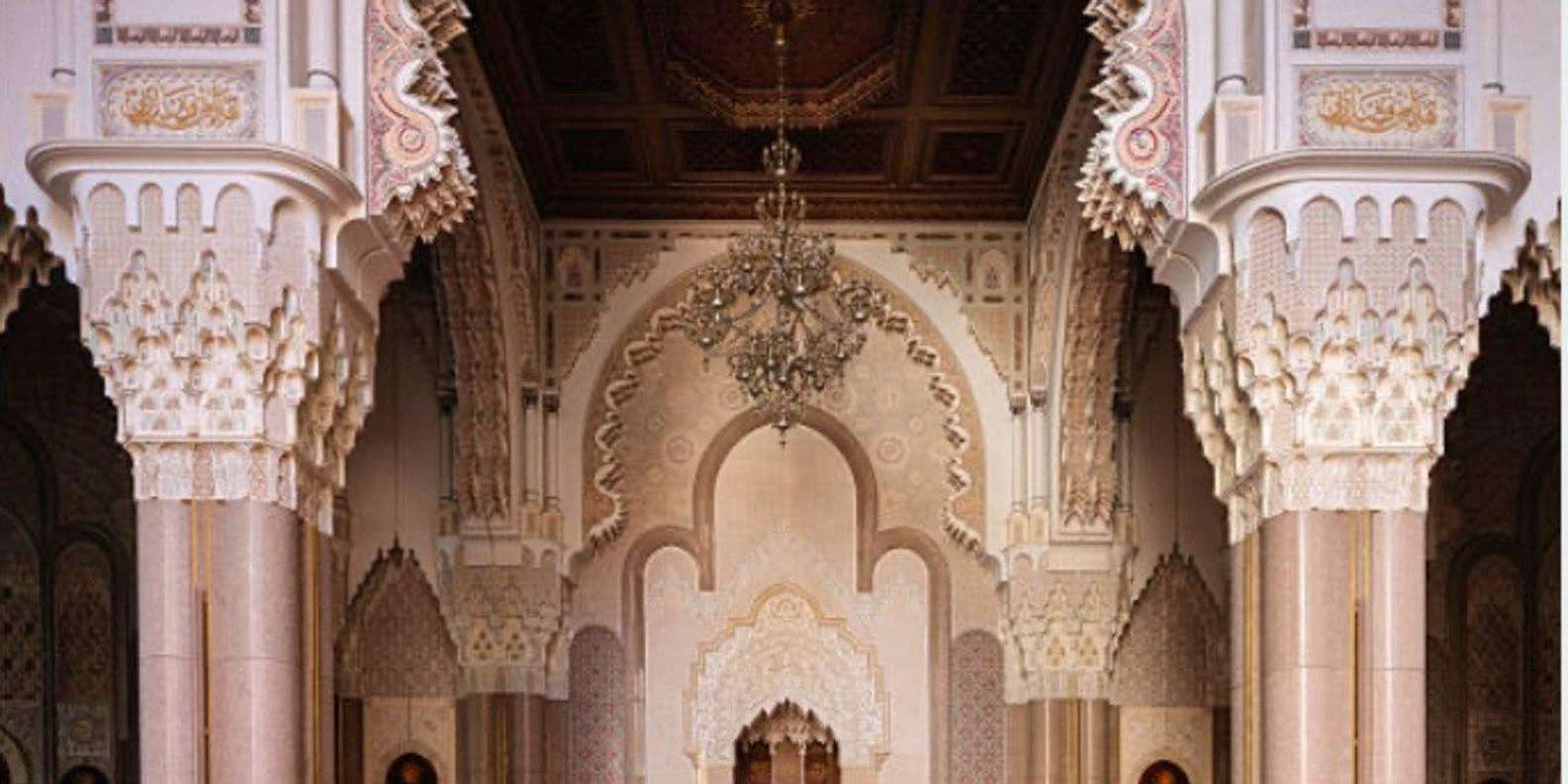
Casablanca is often discussed in terms of mosques and medina life, so seeing Christian landmarks on the same itinerary is a helpful reminder that the city has multiple cultural threads. This tour includes Notre-Dame de Lourdes Church for its architecture and quieter atmosphere. Then you continue to Sacré-Cœur Cathedral, a standout example of neo-gothic design in Casablanca.
For me, this section is about contrast. After markets and streets, churches offer calmer visual lines—windows, facades, and a different type of symmetry. It’s also a nice break for anyone who wants a quieter scene for photos that don’t involve crowds.
Don’t expect museum-style storytelling at every step, since this route is designed as a broad highlights tour. But your guide can point out what to notice so you’re not just looking at buildings—you’re seeing the why behind the style.
Anfa Residential Quarter and the Mosque Views: City Comfort Zone
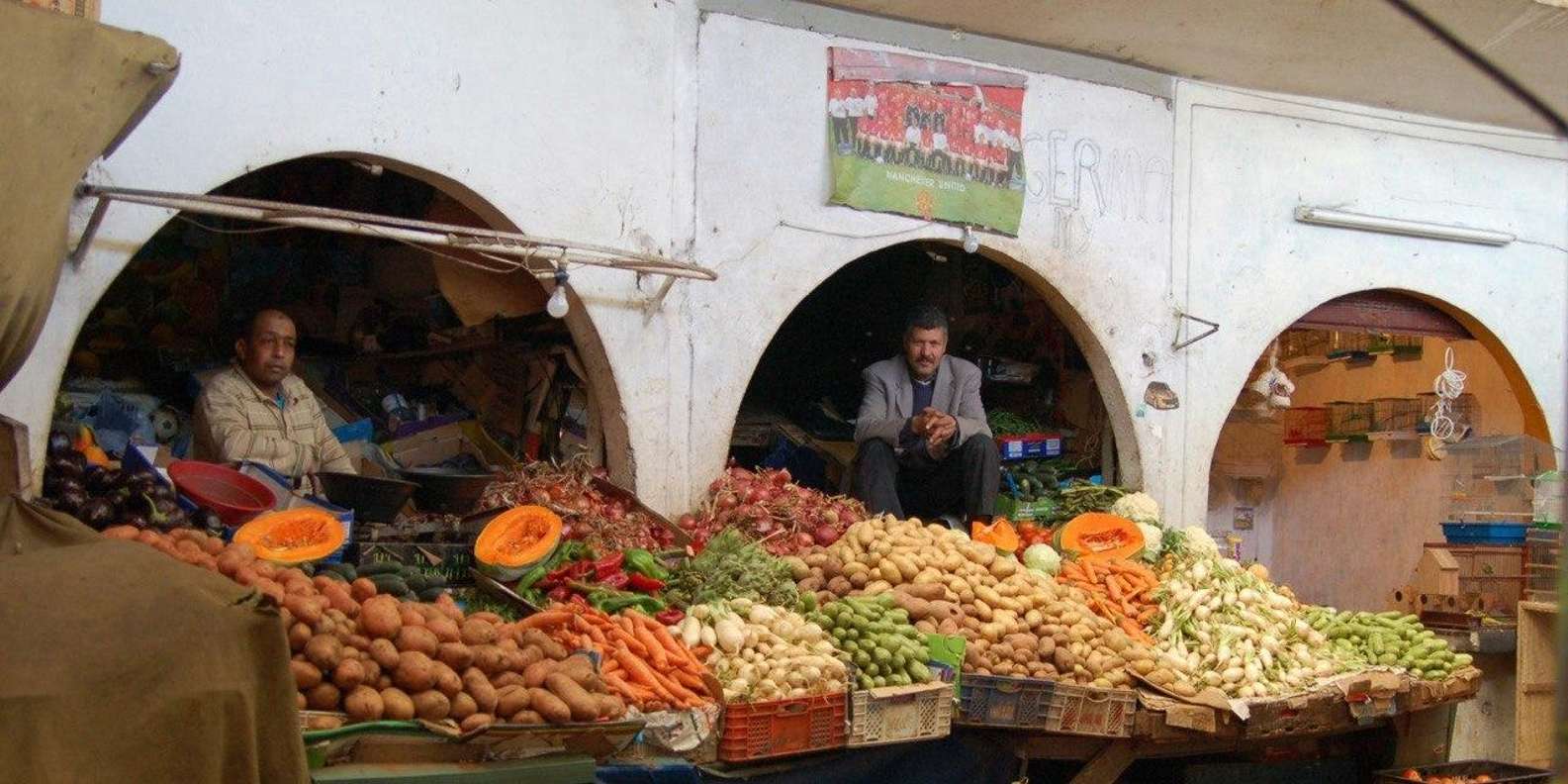
You’ll also visit the residential quarter of Anfa, plus you’ll get a panoramic view of Hassan the 2nd Mosque. This is the tour’s “breather” segment, where you can appreciate how the city looks beyond the high-traffic sightseeing zones.
These stops also help you understand Casablanca’s layout. When you’ve seen coast, old streets, and civic squares, the residential area gives you a more complete picture of daily life—how Casablanca spreads out and how different districts feel.
I like these segments because they reduce the sense that you’re only consuming the city as a checklist. You’re getting a sense of character, not just names.
Place des Nations Unies: The Easy Ending Before Returning
The tour wraps at Place des Nations Unies, a central square where you can absorb the city’s energy before heading back to your accommodation. Ending here is practical: it’s a recognizable gathering point, and the route back is straightforward once you’ve already built a mental map earlier in the day.
This final stop is a good time to grab one last photo or buy a small item you noticed earlier. Then you’re back in the vehicle, which is exactly what you want when you’ve been on your feet through medina streets, markets, and photo points.
If your cruise schedule is tight, this kind of structured ending matters. You don’t want your last hour turning into a scramble.
Price and Value: Is $40 a Smart Use of Your Time?
At $40 per person, this tour sits in the “value if you plan well” category. The biggest reason is that you’re paying for more than sightseeing. You’re also paying for round-trip cruise port transfers, plus hotel/cruise pickup and drop-off, and the comfort factor of an air-conditioned vehicle with WiFi onboard. Those pieces alone can make this cheaper than stitching together transport and multiple individual tickets and guides.
You’re also getting a guided route that connects multiple districts—Hassan II Mosque views, Corniche, Ancient Medina, Habous Quarter, Art Deco areas, and two major church stops—plus a market visit at the central fish market. For many travelers, the real cost is not money. It’s time, confusion, and wasted hours. A well-paced highlights tour reduces that risk.
What you should consider is your travel style. If you want a slow, deeply personal wandering day with long breaks and lots of independent shopping, you may feel the route is “efficient” rather than “relaxed.” If you want the best mix of highlights and local areas in a single session, this price feels fair.
Who This Tour Best Suits (and Who Might Prefer Another Plan)
This tour is a strong match for:
- Cruise passengers who need reliable round-trip port logistics
- First-timers who want a guided overview of Casablanca’s major neighborhoods
- Travelers who enjoy architecture and want both Art Deco and neo-gothic stops in one day
- Groups where people have different interests—markets, viewpoints, churches, and a film nod all get covered
It may be less ideal for:
- Anyone who hates market environments or prefers quiet streets only
- Travelers who want extended time in one place instead of many shorter stops
- People who struggle with lots of walking in tight areas
For families, the included bottled water, wet wipes, and structured route can be helpful. And the guide’s ability to answer questions and adapt expectations—as reflected in praise for guides like Saad and El Mehdi—can make the experience smoother for mixed-age groups.
Should You Book This Casablanca City Tour?
If you’re short on time, this tour is an easy yes. The combination of Hassan II Mosque area views, Corniche Atlantic scenery, Old Medina souks, Habous Quarter, and market time gives you a balanced snapshot of Casablanca—without the stress of piecing everything together on your own.
Book it if you value a guide who keeps things clear and comfortable, and if you want a route that works well for cruise schedules. Skip it only if you’re chasing a long, slow, independent day where you can ignore time and wander freely for hours.
FAQ
How much does the Casablanca city tour cost?
The price is $40 per person.
Does the tour include pickup and drop-off from the cruise port?
Yes. It includes hotel/cruis pickup and drop-off, along with round-trip cruise port transfers.
What does the tour include for transportation and comfort?
You travel in an air-conditioned vehicle and have WiFi onboard. Bottled mineral water and wet wipes are included.
Which main sights and areas are part of the tour?
You’ll see or visit Hassan II Mosque (including a panoramic view), the Corniche, Ancient Medina, Art Deco district areas, Habous Quarter, Rick’s Café, Notre-Dame de Lourdes Church, Sacré-Cœur Cathedral, and Place des Nations Unies. The tour also includes the Mohammed 5th Square, the Central Market (fish market), and the residential quarter of Anfa.
Are entry fees included anywhere?
Entry is included for the Corniche and for Quartier Habous.
What is not included in the tour price?
Tips are not included.
What languages are the guides available in, and can I reserve with flexible payment?
The guide languages include Arabic, French, English, and Italian. You can reserve & pay later (book your spot and pay nothing today), and you can cancel up to 24 hours in advance for a full refund.