REVIEW · AGADIR
4 days Desert trip from Agadir
Book on Viator →Operated by Mbarek Ait Khouya · Bookable on Viator
Four days, and Morocco feels huge. This trip strings together UNESCO Ait Ben Haddou, Atlas gorges, and the Merzouga dunes night—plus real village stops like argan and saffron co-ops. I also like that meals and lodging are built into the schedule, so you’re not hunting for food every time the road gets long. The one thing to plan for is the day-to-day driving pace, and that lunches and monument entry fees are not included.
You get an experienced guide/driver, hotel pickup around 8:00am in Agadir, and an air-conditioned vehicle. This is a private tour too, so you’re not stuck sharing a van with strangers who just want to sleep. The route is packed, but it’s the kind of packed that makes sense: big stops, enough time to look closely, and breaks when you need them.
In This Review
- Key highlights you’ll actually care about
- The big picture: what this Agadir-to-Sahara trip is best at
- Day 1: Agadir to Taroudant, Ait Ben Haddou, and Ouarzazate
- Taroudant and Berber village stops
- Ait Ben Haddou: UNESCO time with a guide
- Ouarzazate movie-city stops
- Day 2: Roses City, Dades Gorges, Todra Gorge, fossils, then Merzouga dunes
- Dades Gorges: canyon views with a long road behind them
- Todra Gorge: the big canyon stop
- Erfoud fossil stop: a quick, quirky change of pace
- Merzouga dunes and your first desert night
- Day 3: Sunrise dunes, camel riding, Jeep adventure, tea with nomads, Rissani market
- Camel ride: classic desert rhythm
- Jeep off-roading adventure and nomad tea
- Rissani market: local life, not just photo stops
- Day 4: Return via Draa Valley and Agdez, plus Taliouine argan and saffron co-ops
- Lunch stop near Agdez and the valley drive
- Taliouine: argan and saffron production focus
- Price and value: what $302.09 covers and what you’ll need extra
- Comfort, timing, and who this tour suits best
- Tips to make the desert night and gorge days feel great
- Should you book this Agadir to Sahara desert trip?
- FAQ
- What time does the tour start in Agadir, and is pickup included?
- What’s included in the price for lodging and meals?
- Are lunches and monument entry fees included?
- What desert activities are included in Merzouga?
- What if weather is poor for the desert portion?
- Can I get a full refund if I cancel?
Key highlights you’ll actually care about
- Agadir pickup at 8:00am with a comfortable, air-conditioned car
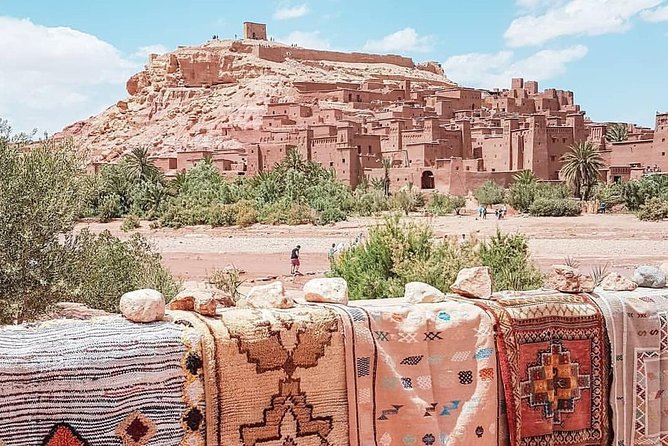
- Ait Ben Haddou with a guide (UNESCO site) plus Ouarzazate’s film-world stops
- Dades Gorge and Todra Gorge for dramatic canyon views without extra logistics
- Merzouga desert night with time under the stars at a Berber camp
- Camel ride and Jeep off-roading plus tea with a nomadic family
- Rissani market for an old-school look at local life (not just “see a place and go”)
The big picture: what this Agadir-to-Sahara trip is best at
This tour is built for travelers who want the “greatest hits” of southern Morocco without piecing together transport and lodging on your own. In roughly four days, you’ll move from the Atlantic edge (Agadir) into the Atlas Mountains region, then down toward the Sahara desert area around Merzouga.
What makes it feel valuable is the mix of sights. You don’t only get monuments and scenery. You also get human-scale moments: cooperatives for argan oil and saffron, a fossil stop in Erfoud, and a local market in Rissani. That’s the part that usually stays with people after the photos fade.
The trade-off is time. On a route like this, you’re trading “slow travel” for “maximum Morocco.” If you hate long transfers, you might feel it on Day 1 and Day 2. But if you’re the type who loves seeing a lot and you’re okay with steady road time, this works well.
A few more Agadir tours and experiences worth a look
Day 1: Agadir to Taroudant, Ait Ben Haddou, and Ouarzazate
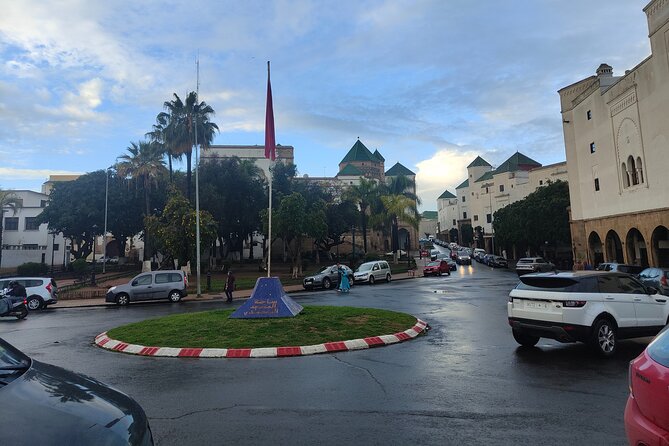
Your morning starts with pickup around 8:00am from your Agadir hotel or meeting point. Then the drive swings toward the inland route, heading through Taroudant and toward Ouarzazate.
Taroudant and Berber village stops
You’ll spend time around Taroudant before reaching the big UNESCO stop. The highlight here is the chance to learn how products are made—especially processes connected to argan oil and saffron—and to see how Berber women work in cooperatives.
Why this matters: in places like this, you’re not just walking past stalls. You’re getting a sense of how the local economy works. Even if you’ve read about Morocco’s argan or saffron before, seeing the steps up close helps it click.
A practical note: these are often short visits, so you’ll want to come with curiosity rather than expecting a museum-style experience.
Ait Ben Haddou: UNESCO time with a guide
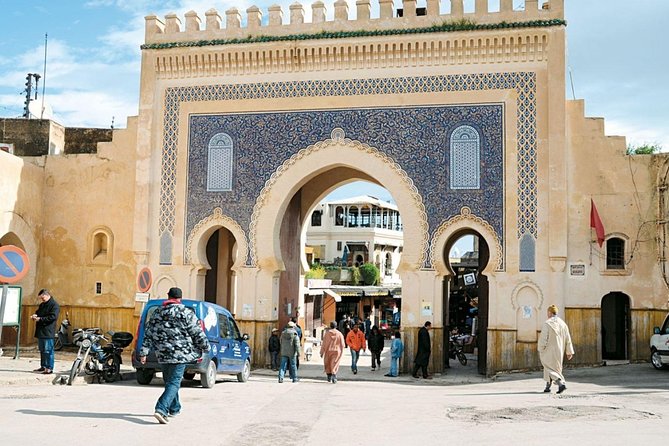
Next comes Ksar of Ait-Ben-Haddou, a UNESCO World Heritage site. You’ll have guided time to explore the kasbah area. This is one of those places where the architecture helps you understand why it’s famous: earthen structures, tight lanes, and a fortress feel that looks even better when the light shifts.
What I like about having a guide here is simple: they can point out what you might miss on your own—how the village layout connects to defense and daily life, and why the site was chosen for films and storytelling.
Kasbah time can take longer than you expect because you’ll keep finding new angles. The tour builds in time for that, and you’re not just rushed to a single photo spot.
Ouarzazate movie-city stops
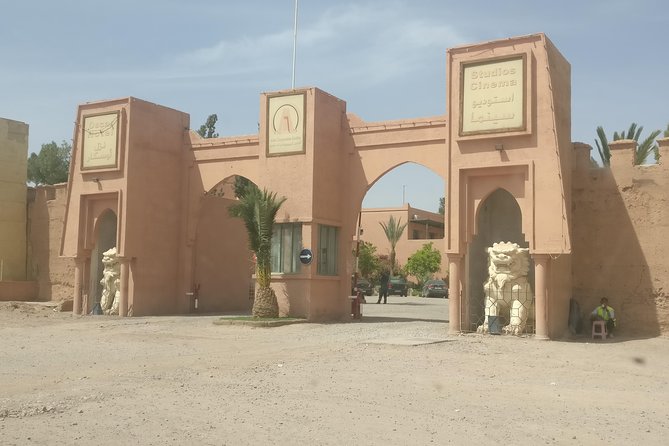
You’ll also pass through Ouarzazate, including a stop that fits the movie-world angle (movie studios, sometimes described as the Hollywood of Africa). If you enjoy film history, this will feel like a fun add-on rather than a detour.
You’ll end the day staying overnight in a local guesthouse or hotel, with dinner and breakfast included.



Day 2: Roses City, Dades Gorges, Todra Gorge, fossils, then Merzouga dunes
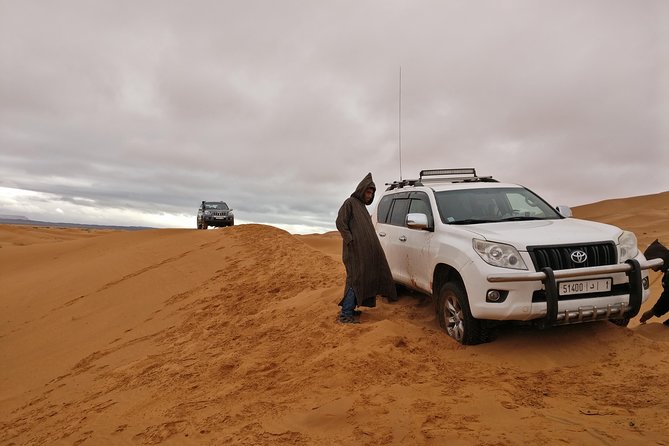
Day 2 is your “Atlas to Sahara” push. You start in the morning and head toward Merzouga, passing through the region known for roses (often called the roses city area) and other mountain towns along the way.
Dades Gorges: canyon views with a long road behind them
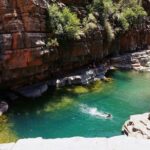
You’ll spend time in Dades Gorges and travel onward toward Todra Gorge. This day has that classic Morocco pattern: you get a long stretch of road, then sudden drama—steep canyon walls, narrow viewpoints, and curves that make the car ride feel like part of the show.
One consideration: since the day is long, you’ll get the most out of the gorges if you pace your walking. Short walks at viewpoints beat trying to “power hike” when you’ll still have a desert night ahead.
Todra Gorge: the big canyon stop
Then you reach Todgha Gorge. You’ll have around an hour for the canyon. This is a great “stretch your legs” moment. The walls are high and the view feels intensely vertical, which is why Todra is so often recommended.
If you’re traveling in hotter months, plan for sun and bring water. The tour includes time, but you still need to manage your energy.
Erfoud fossil stop: a quick, quirky change of pace
Next is Fossiles d’Erfoud in Erfoud, where you may be able to visit places connected to fossil work and fossil sales.
Is it the main reason people book the trip? Usually no. But it’s a nice contrast: after mountains and kasbah stonework, you get something completely different—natural history tied to the region.
Merzouga dunes and your first desert night
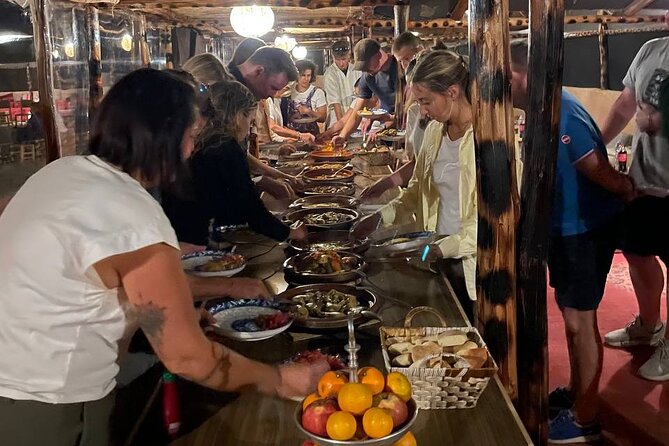
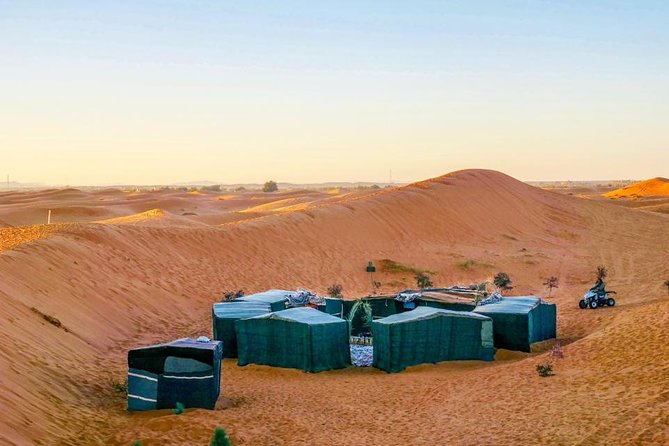
Late afternoon brings you to the Merzouga Desert and the dunes of Erg Chebbi. You’ll spend the night in a Berber camp with dinner and breakfast included.
This is where the tour really earns its ticket price. Not because of luxury (the desert doesn’t do luxury the same way cities do), but because of the atmosphere: night outside the normal rhythm of life, plus that star-filled sky effect Morocco does so well.
Also included: the camp experience is part of the schedule, not an optional add-on. You don’t have to coordinate camel logistics or wonder if you’ll reach the dunes in time.
Day 3: Sunrise dunes, camel riding, Jeep adventure, tea with nomads, Rissani market
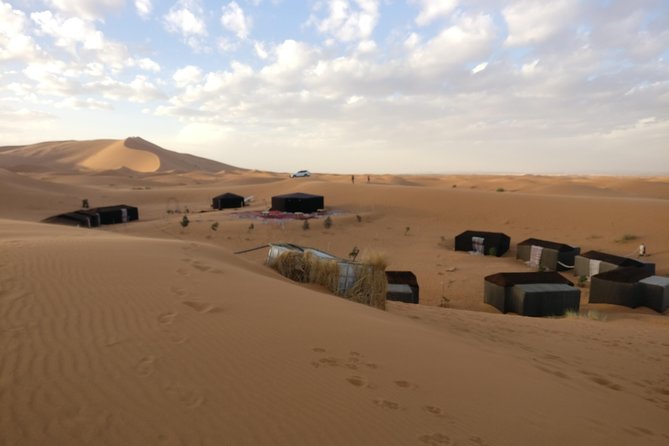
Day 3 is the “do it in the desert, not just from a parking spot” day. You start with sunrise and breakfast around Merzouga, then head back out for more dune time.
Camel ride: classic desert rhythm
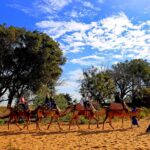
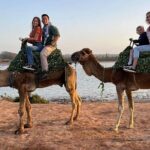
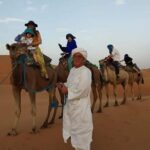
After sunrise and breakfast, you’ll head to the village area and then do a camel ride. The ride takes you through sand dunes to the Merzouga area.
If you’re not a camel person, here’s the practical angle: the overall day includes Jeep off-roading too, so you’re not stuck with only one way of seeing the dunes. If you strongly prefer to spend more time on the vehicle side, it’s smart to mention it to your driver/guide early so you can plan your comfort level.
Jeep off-roading adventure and nomad tea
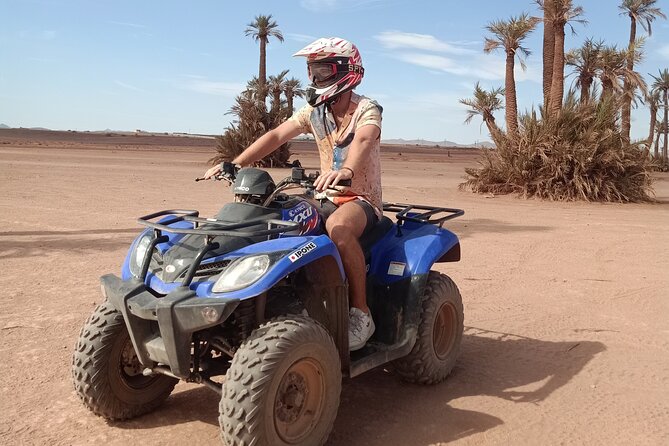
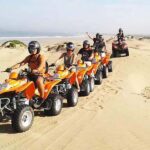
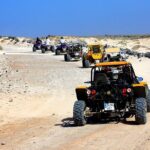
After you arrive back at the village area, you’ll drive into an off-roading Jeep adventure. The tour includes a tea stop with a nomadic family, which adds a human touch beyond the scenery.
Why that tea stop works: it’s short, but it gives you a direct moment of connection—questions, conversation, and an idea of how people live in harsh environments while still keeping normal social habits.
Rissani market: local life, not just photo stops
Then you continue toward Rissani Village to visit one of Morocco’s notable local markets (described as one of the oldest). After the market, you’ll continue toward Nkob or the Draa Valley area for the night.
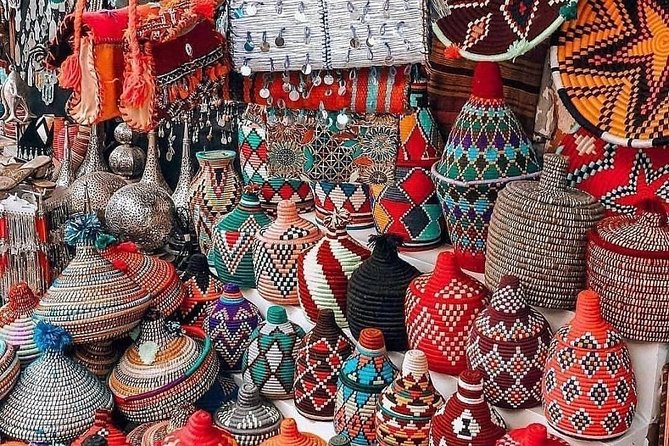
Market time is usually chaotic in the best way. You’ll see food stalls, everyday items, and the kinds of interactions that don’t happen in curated tourist zones.
One thing to keep in mind: markets are active, so if you’re tired from driving, you’ll want to treat it as a “look and taste if you want” stop, not an all-day shopping plan.
Day 4: Return via Draa Valley and Agdez, plus Taliouine argan and saffron co-ops
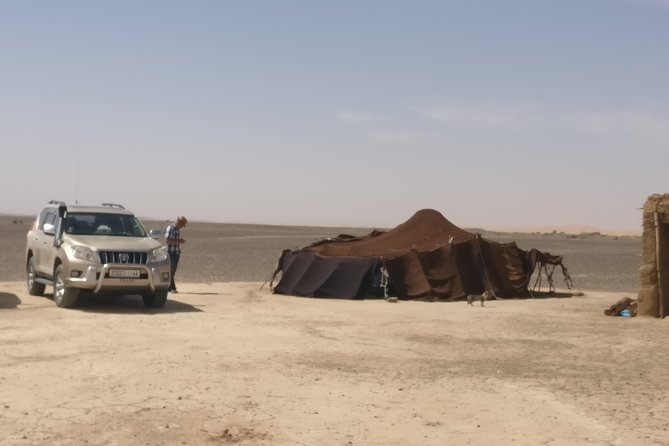
Your final day brings you back toward Agadir. The route goes through the Draa Valley area and includes a lunch stop around Agdez, then continues to Agadir, with the tour ending around 6:00pm.
Lunch stop near Agdez and the valley drive
This is your wind-down day. You’ll get a chance to look at the valley again from a different angle than earlier canyon days. It’s also a relief if you’ve had two long driving days already—your pace feels less frantic.
Taliouine: argan and saffron production focus
There’s also a stop in Taliouine where the tour describes time connected to argan oil production and saffron cooperative work by Berber women.
This repeats a key theme from earlier in the trip, which is actually a good thing: you start to see these products as real regional systems rather than random souvenirs. Even if you bought something earlier, it helps to understand where it comes from and why it’s valued.
Then you’re back to Agadir to finish the tour at your meeting point.
Price and value: what $302.09 covers and what you’ll need extra
At $302.09 per person for a ~4-day trip, the value depends on how you think about lodging and meals.
Here’s what’s included:
- 2 nights in riads/hotels plus 1 night in the desert camp
- Breakfast (3) and dinner (3)
- Camel ride and guide
- Experienced guide and driver and a comfortable air-conditioned vehicle
- Stops along the route, including guided time at Ait Ben Haddou Kasbah
- Time under the stars in Merzouga
- Visits to nomads/contacts, plus market time (Rissani)
What’s not included:
- Lunches
- Entry fees to monuments
- Hotel in Agadir (pickup is included, but your Agadir lodging isn’t)
So, is it a bargain? For many travelers, it can be, because you’re getting the “hard part” handled: road planning, desert camp lodging, and local guiding at major stops. Your cost risk is mainly lunches and any monument fees you encounter.
If you’re the type who likes to eat lunch on the go (quick meals, local bread, fresh fruit when available), you’ll likely be fine. If you expect every meal and every ticket to be bundled, budget extra.
Comfort, timing, and who this tour suits best
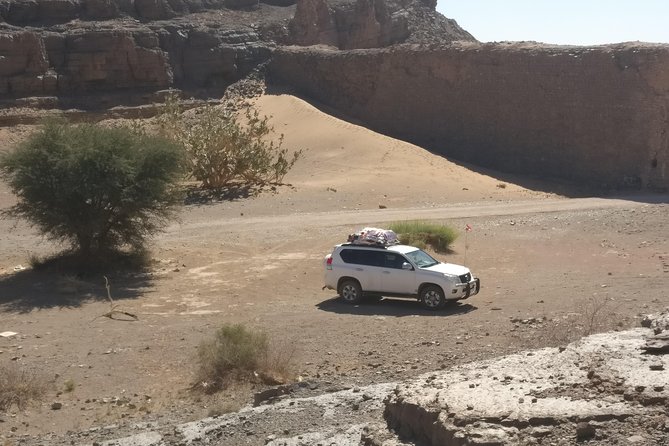
This trip uses a private format, which generally means you get:
- smoother pacing for your group
- fewer “wait around for other people” moments
- a clearer conversation with your driver/guide
The vehicle is listed as air-conditioned, and the plan includes AC if needed. That matters because the temperature swings between mountain and desert zones can surprise you. It’s not just about comfort—it’s about being able to function after long drives.
Who it suits best:
- First-time Morocco visitors who want big, well-known highlights
- People who like a packed-but-structured schedule
- Travelers who enjoy culture stops like argan/saffron co-ops and local markets
- Anyone okay with a desert night and the full travel rhythm that comes with it
Who should think twice:
- If you hate long road days, the itinerary may feel exhausting.
- If you expect lunch and monument fees to be included, you’ll want to plan for extra cash.
Tips to make the desert night and gorge days feel great
Small choices will help a lot on this kind of route:
- Bring a light layer for desert evenings. Night temperatures can drop after a hot day.
- Wear shoes that can handle uneven canyon paths and sand transitions.
- When you reach cooperative visits (argan oil and saffron), keep a curious mindset. Ask a few simple questions instead of trying to “collect facts.”
- If you’re sensitive to the camel ride, tell your guide early. Your day also includes Jeep time, so you may be able to balance your comfort.
- Pack cash for lunches and any monument entries not included in the tour price.
Should you book this Agadir to Sahara desert trip?
I’d book it if you want a structured, value-focused way to see the southern Morocco highlights: Taroudant area culture, Ait Ben Haddou with a guide, Dades and Todra gorges, and then the Merzouga desert night with stars, camel time, and Jeep exploration.
I’d hesitate if you’re traveling at a pace where every hour needs to be effortless. This is a “see a lot” trip. You’ll trade downtime for a lot of Morocco in a short window.
If you’re flexible, curious, and okay with driving days, this is a strong way to get the Sahara experience without spending your vacation coordinating the logistics yourself.
FAQ
What time does the tour start in Agadir, and is pickup included?
The tour starts at 8:00am, and pickup is offered from your hotel or location in Agadir. The activity ends back at the meeting point.
What’s included in the price for lodging and meals?
The price includes riads or hotels for 2 nights plus 1 night in a desert camp. Breakfast is included 3 times and dinner is included 3 times.
Are lunches and monument entry fees included?
No. Lunches are not included, and entry fees to monuments are also not included.
What desert activities are included in Merzouga?
In Merzouga, the experience includes a camel ride and a guide. It also includes time for off-roading by Jeep and a tea stop with a nomadic family, plus the desert camp night.
What if weather is poor for the desert portion?
This experience requires good weather. If it’s canceled due to poor weather, you’ll be offered a different date or receive a full refund.
Can I get a full refund if I cancel?
Yes. You can cancel up to 3 days in advance for a full refund. If you cancel less than 3 full days before the experience’s start time, the amount you paid will not be refunded.