REVIEW · CASABLANCA
12 Day Morocco Tour
Book on Viator →Operated by Odyssey Morocco · Bookable on Viator
Casablanca to the Sahara in 12 days is a lot—done right. This private route strings together Atlantic cities, the blue spell of Chefchaouen, Roman ruins, the tangle of Fes, and the unforgettable Erg Chebbi dunes, then finishes with Marrakech’s main square. It’s the kind of trip where you’re not just checking sights—you’re getting a feel for how Morocco works, day by day.
I love that this tour uses a real guided flow: airport pickup in Casablanca, time with a dedicated guide and local experts, plus dinners that help you taste Morocco beyond the big landmarks. I also love the Sahara setup—4×4 into the Erg Chebbi dunes, a sunset camel ride, and time for stars after dinner at camp—because that’s the part that’s hardest to DIY well.
One drawback to think about: the schedule is full. You’ll spend long stretches in the car, and a “moderate physical fitness” level helps, especially with walking in medinas, canyon areas, and the uneven stone of old sites.
In This Review
- Key highlights you’ll feel fast
- Casablanca to Rabat and Tangier: starting with the Atlantic and the big monuments
- Chefchaouen and the Rif Mountains: blue medina time plus views
- Volubilis and Fez: UNESCO Roman streets, then a medina that keeps going
- Fez highlights: craft, tilework, and the tannery experience
- Leaving Fes for Merzouga: Atlas mountain scenery with smart breaks
- Erg Chebbi in real life: 4×4 dunes, Khamlia music, camel sunset, and star camp
- Todra Gorge and Dades Valley: canyon walking with real texture
- Ouarzazate and Ait Ben Haddou: Moroccan Hollywood and the rug cooperative option
- Marrakech: Jemaa el-Fnaa orientation, Bahia Palace, and a free day you can actually use
- Price, tickets, and what you’re really paying for
- Who this tour suits best
- Should you book this 12-day Morocco route?
- FAQ
- How long is the tour?
- Where does the tour start?
- Is airport pickup included?
- Can you fly into a different city?
- What meals are included?
- Are admission tickets included?
- Is this a private tour?
- What kind of transportation do you get?
- How much walking is involved?
- What if the tour is canceled due to weather or too few travelers?
Key highlights you’ll feel fast
- Private, small-group style routing: Only your group participates, with an included air-conditioned vehicle.
- Major sites with admissions included: Hassan II Mosque, Al-Attarine Madrasa, Chouara Tanneries, and more.
- Chefchaouen plus Spanish Mosque views: Blue medina time with a guided viewpoint walk.
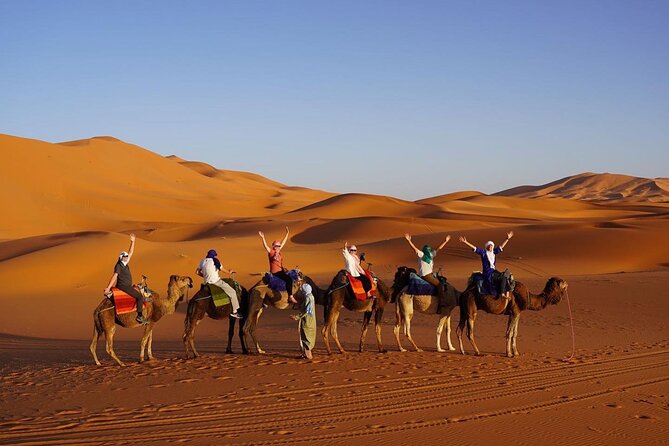
- Erg Chebbi desert moment: 4×4 dune time, music in Khamlia, sunset camels, and sunrise the next morning.
- UNESCO stops that change the pace: Volubilis and Ait Ben Haddou add Roman-era context to the trip.
Casablanca to Rabat and Tangier: starting with the Atlantic and the big monuments
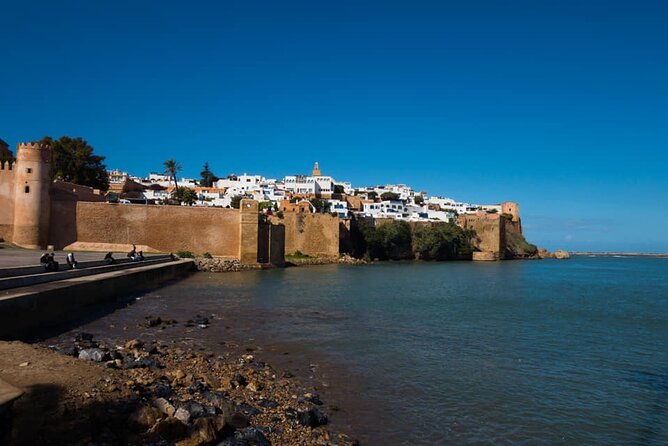
You start in Casablanca, and the trip makes a practical first move: pickup from the airport to your hotel, then you meet your guide for an overview. That matters because Morocco is easier when you’ve already got your bearings—where to be, when to move, and how the day will run.
That evening includes a traditional Moroccan dinner. It’s not just a meal. It’s your first taste of how hospitality works here, and it sets expectations for the food rhythm you’ll see throughout the journey.
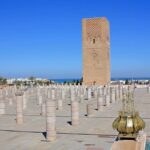
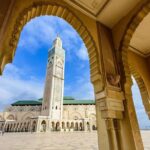
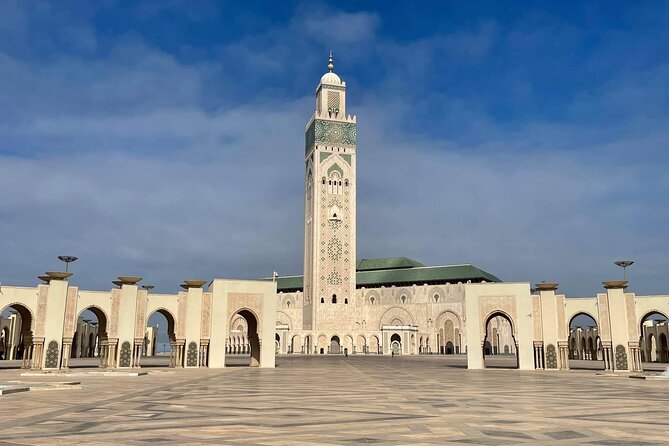
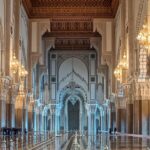
Day 2 kicks off at one of Morocco’s headline sights: Hassan II Mosque on the Atlantic edge. This is the only mosque in Morocco that allows non-Muslim visitors and has capacity for tens of thousands inside and far more outside. You’ll also see the Hassan Tower (from the incomplete mosque project) and the Mausoleum of Mohammed V, with guards in traditional uniforms. The vibe here is part sacred site, part national pride, so go in ready to slow down and look.
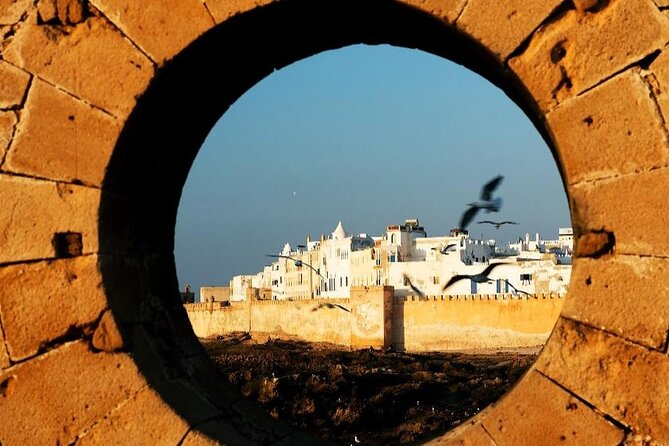
Then the tour pivots to the Atlantic mood in Rabat—a walk through the medina with mint tea—before heading north to Tangier Casbah. Tangier is the bridge between Europe and Africa, and the blue-and-white medina feel gives you a visual contrast to the white city you started from.
Consideration: this is a long day geographically. You’re stacking Casablanca monuments with Rabat and Tangier, so you’ll want comfortable shoes and a calm mindset about travel time.
You can also read our reviews of more tours and experiences in Casablanca.
Chefchaouen and the Rif Mountains: blue medina time plus views
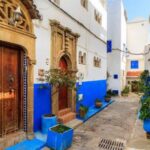
Chefchaouen is often the “wow” stop people remember later, and this tour gives it real time: guided exploration, plus free time to shop, take photos, and wander the mountain streets at your own pace.
On the way, you get Cap Spartel with Strait of Gibraltar views, plus the Caves of Hercules. Even if you’re not a mythology person, it’s still a fascinating place to see how stories and geography are tied together here. The caves include both land and sea entrances, and the sea entrance is said to be shaped in the outline of Africa—small detail, but very Morocco.
Back in Chefchaouen, the guided walk to the Spanish Mosque (Bouzafer Mosque) adds the kind of view that turns the photos from “pretty” into “I remember that.” You get a panorama over the blue city, and the walk is usually the kind of easy effort that feels worth it.
Watch out for one thing: blue paint and photo stops can make time disappear. Build in space for wandering, but keep some energy for the next day’s Roman site.
Volubilis and Fez: UNESCO Roman streets, then a medina that keeps going
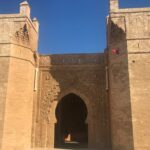
Day 4 makes a smart reset: after Chefchaouen, you visit Volubilis, a UNESCO site with Roman ruins dating to around the first century. This isn’t a quick stop for bragging rights. It’s a change in scale and time period, and it helps you understand how Morocco has been a crossroads for centuries.
Then you move to Fez, the cultural and spiritual center. Fez medina is famous for having a huge number of streets and passageways, and the tour acknowledges the reality of that: you’ll have a guide to help you navigate without turning your day into a maze game.
That night, you’ll go to dinner inside the historic Fez medina, which is one of those small upgrades that makes the city feel alive rather than staged.
Fez highlights: craft, tilework, and the tannery experience
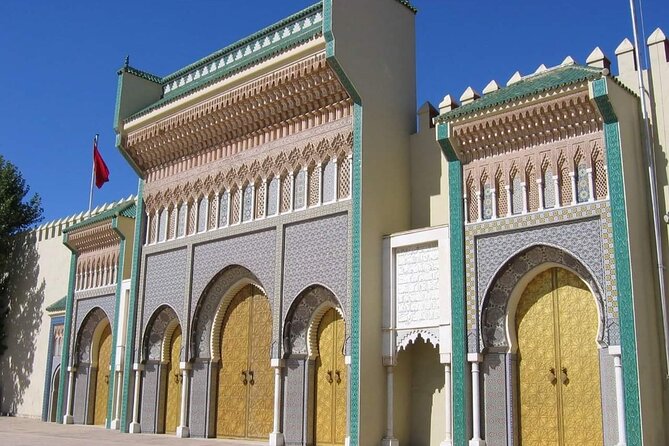
Day 5 focuses on the heart of Fez. You start with a look at the Royal Palace of Fez entrance and its craftsmanship, then head into artisan work at Fez Medina Pottery where you can see how tilework and pottery are created.
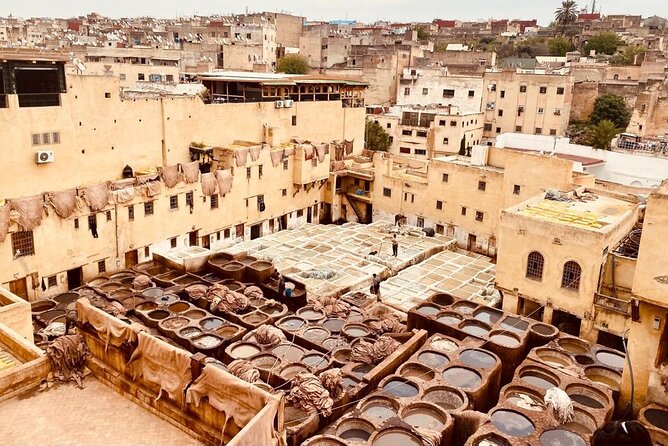
You’ll also see the Al-Attarine Madrasa, known for intricate tilework and carving. Even though it’s no longer used as a Koranic school, it still tells the story of learning traditions that date back to the 13th century.
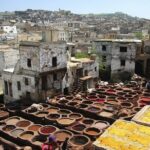
The most sensory stop is Chouara Tannery, using traditional methods that go back to the 13th century. This is one of those experiences where the value is cultural and historical, not convenience. You’ll be close to the process, so expect strong smells and busy activity around the viewing areas.
If you’re sensitive to odors, decide ahead of time how long you want to stay. You can get the picture without lingering.
Leaving Fes for Merzouga: Atlas mountain scenery with smart breaks
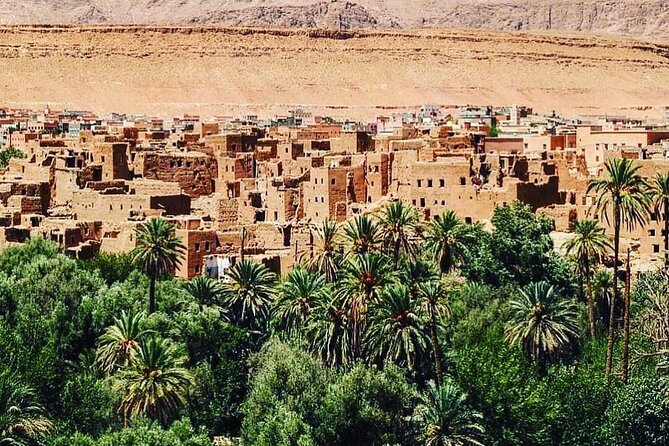
Day 6 is your travel day toward the Sahara. You’ll head from Fez to Merzouga, the gateway of the dunes. The route takes you through Mid-Atlas and High Atlas Mountains, with planned stops for coffee and lunch.
This matters because the biggest mistake on a Sahara trip is treating the drive like dead time. Here, the day is built around frequent pauses, so you stay human when you arrive. You’re not just arriving at “desert.” You’re arriving after a scenic journey that adds context to why the Sahara feels so extreme.
Erg Chebbi in real life: 4×4 dunes, Khamlia music, camel sunset, and star camp
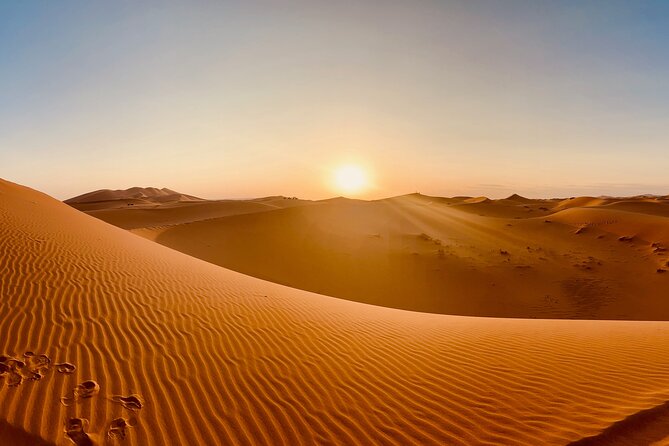
Days 7 and 8 are the heart of the trip.
On Day 7 you get your first desert look with a 4-wheel drive through Erg Chebbi dunes. This is a key difference between seeing dunes from a road and actually riding into them. You feel the scale, the texture, and how the sand shifts under changing light.
Then you stop in Khamlia village for lunch with traditional Gnaoua music. Music here isn’t background—it’s part of why people remember the desert as more than a silent postcard.
In the afternoon you’ll go for a sunset camel ride to your camp. After that, you’ll enjoy dinner at a comfortable camp and then time to take in the stars by campfire. This is the kind of evening that turns travel fatigue into calm.
Day 8 starts early with sunrise. Then you ride back to your vehicle, either camel or 4×4 depending on your preference. That choice is worth paying attention to: camel can feel slower and more intimate with the sand rhythms, while 4×4 is faster and more intense.
Practical tip: bring something warm for night and early morning. Desert temperatures swing, and camp timing starts early.
Todra Gorge and Dades Valley: canyon walking with real texture
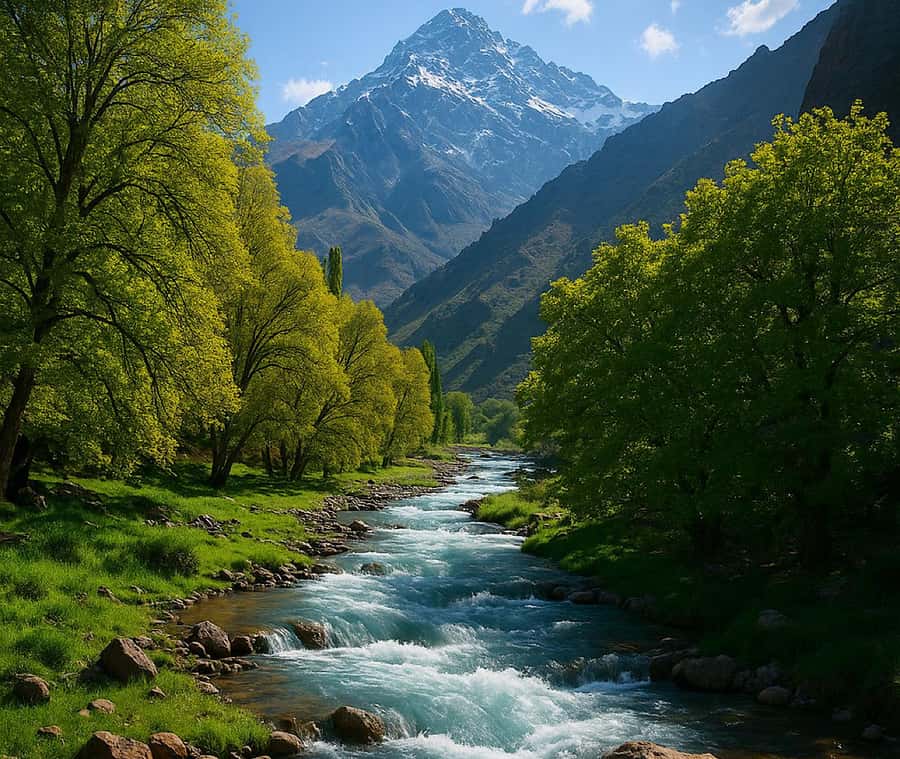
Day 8 drops you from dunes to cliffs. In the afternoon you go to Todra Canyon, where you’ll walk along the riverside at the base of Todra Gorge with your guide.
Todra is visually dramatic, but the real value is the walk. You get a sense of how these canyons shape life and movement in the region, and you also get a break from the long city navigation days.
On Day 9, the tour continues with Dades Valley and a stop to visit Kasbah Amridil (Skoura area), a well-preserved kasbah. It’s the kind of stop that adds “everyday Morocco” between the bigger names.
Ouarzazate and Ait Ben Haddou: Moroccan Hollywood and the rug cooperative option
Day 9 continues to Ouarzazate, nicknamed Moroccan Hollywood. Your guide can arrange an optional studio tour if you want it. Even if you skip studios, Ouarzazate is a good place to change gears: less labyrinth, more open views and a sense of production towns that support regional filming.
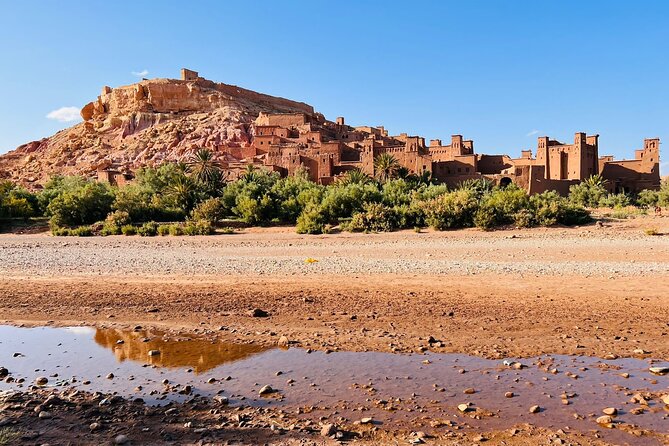
Then comes Ait Ben Haddou, another UNESCO world heritage site. You’ll reach it later in the afternoon, and your guide leads you through the ksar toward the pinnacle of the village. This is where the architecture and the hills work together. It looks like a fortress village because it functioned like one.
The tour also includes a visit to a women’s cooperative if you’re interested in learning about or purchasing an authentic Moroccan rug. That’s a meaningful add-on because it connects the visuals to the people who produce the goods.
Consideration: Ait Ben Haddou involves walking on uneven surfaces. Take your time and keep hydrated.
Marrakech: Jemaa el-Fnaa orientation, Bahia Palace, and a free day you can actually use
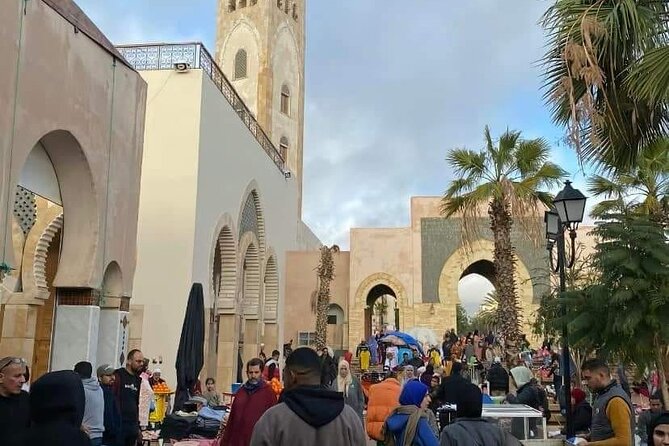
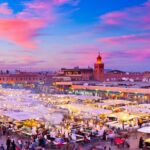
On Day 10, you arrive in Marrakech and go straight to Jemaa el-Fnaa, the famed main square. The tour gives you orientation to the medina, which is huge. Marrakech can feel like sensory overload, and a quick guided setup helps you know where you’re going the next day.
You also visit Bahia Palace, known for its grand courtyard and buildings. It’s an architectural lesson you can walk through, and it also comes with stories your guide can explain so it’s not just a list of rooms.
Day 11 is your free day in Marrakech, which is a smart move in an otherwise packed itinerary. Your guide can help arrange options such as:
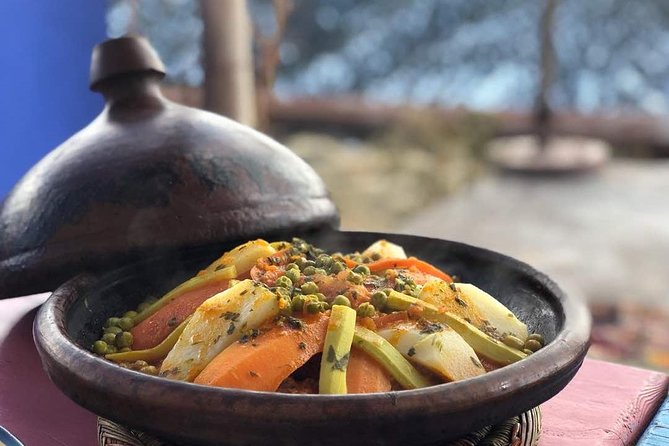
- a tagine cooking class
- a hot air balloon ride
- museums and gardens
- a hamam and massage
Then you finish with a farewell dinner with your guide.
How to plan that free day: choose one “activity” and one “slow” thing. For example, cooking class plus a garden walk, or hamam plus shopping for handmade items. This keeps Marrakech from turning into a sprint.
Price, tickets, and what you’re really paying for
At $3,500 per person for 12 days, this isn’t a budget deal. But it also isn’t only sightseeing. You’re paying for a private setup, a dedicated guide, an air-conditioned vehicle, and a long list of scheduled logistics.
Here’s the value angle that makes the price make sense:
- Pickup and transfers reduce stress on arrival and departure.
- Meals included (lunch, breakfast 11 times, dinner 3 times) help you avoid constantly deciding what and where to eat.
- Admission tickets included for several major stops like Hassan II Mosque, Caves of Hercules, Al-Attarine Madrasa, Chouara Tannery, plus desert transportation elements.
- Private transport means you’re not waiting around with strangers between far-flung areas.
One thing to keep in mind: desert camps and specific desert ride components can vary by operator and date, even when the itinerary looks similar. This tour states what’s included at a high level, but if you have special needs (food, ride preference, or timing concerns), it’s worth asking your provider what exactly is bundled for the camp experience.
Who this tour suits best
This tour is a strong fit if you:
- want Morocco highlights in one trip without the headache of arranging internal transfers
- like guided navigation in medinas and historic sites
- want the Sahara to be an experience, not just a day trip
- prefer a private format over group logistics
It might feel like too much if you:
- want lots of quiet downtime with no early starts
- dislike car-heavy days and frequent changes in scenery
- are very sensitive to strong smells (tanneries are part of the plan)
Should you book this 12-day Morocco route?
If your goal is to hit the big moments—Casablanca’s oceanfront landmark, Chefchaouen’s blue streets, Fez’s medina depth, Erg Chebbi’s dune riding and camp night, plus Marrakech’s main square—this itinerary is built for that. The standout quality is the way it balances ticketed highlights with human-scale experiences like mint tea stops, village music, and dinner inside historic areas.
I’d book it if you’re excited by variety and ready for a busy pace. I’d think twice if you need a slow travel style and want fewer moving parts.
FAQ
How long is the tour?
It runs about 12 days.
Where does the tour start?
It starts in Casablanca, Morocco, with airport-to-hotel transfer included.
Is airport pickup included?
Yes. The tour offers private pick up and transportation from the airport to your hotel.
Can you fly into a different city?
The tour notes that flights into Rabat can also be accommodated.
What meals are included?
The tour includes lunch, breakfast 11 times, and dinner 3 times.
Are admission tickets included?
For many key stops, the itinerary lists admission ticket included (for example Hassan II Mosque, Caves of Hercules, Al-Attarine Madrasa, and Chouara Tannery).
Is this a private tour?
Yes. It’s described as a private tour/activity, and only your group participates.
What kind of transportation do you get?
You get a private, air-conditioned vehicle for transfers between stops.
How much walking is involved?
It says moderate physical fitness is recommended.
What if the tour is canceled due to weather or too few travelers?
It’s stated that it requires good weather and a minimum number of travelers. If canceled due to either, you’re offered a different date/experience or a full refund.