REVIEW · CASABLANCA
10 Days Tour From Casablanca-Morocco Imperial Cites
Book on Viator →Operated by Morocco Tour Marrakech · Bookable on Viator
Casablanca to the desert in one run is the whole point. This 10-day Morocco route strings together big names (Hassan II, Fes medina, Merzouga dunes, Ait Benhaddou, Marrakech) with a practical pace and organized logistics. I especially like the way the itinerary uses guides and timed visits so you spend more time seeing and less time figuring out.
Two highlights stick out for me: the first-day Hassan II Mosque stop in Casablanca and the Merzouga camel trek plus overnight in a desert camp with western bathrooms. A fair heads-up: you’ll be on the road a lot, and since lunches aren’t included, you’ll want to plan for extra food stops when the group is moving.
In This Review
- Key highlights you’ll actually feel
- Casablanca, Rabat, then onward: the trip’s clean opening act
- Fes inside the old city: views, gates, and Al Qarawiyyin
- Atlas driving days: Ifrane, cedar forests, Tizi passes, and Midelt lunch
- Merzouga camel trek and the camel-hair camp with western bathrooms
- The first desert day: sunset + dinner + music
- The second desert day: sunrise wake-up + shower back to comfort
- Rissani, Erfoud, Todra, and Dades: markets, fossils, and canyon walls
- Ait Benhaddou and the Tizi n’Tichka climb into Marrakech
- Marrakech monuments and medina rhythm: Koutoubia to Jamaa Lefna
- The slower day in Marrakech: shopping and breathing room
- Essaouira day trip: argan-tree goats and Scala Port by the sea
- Price and logistics: what $2,591.65 buys you (and what it doesn’t)
- Who this Morocco tour fits best
- Should you book this Casablanca-to-Morocco imperial cities tour?
- FAQ
- What time does the tour start?
- Is pickup offered?
- How long is the tour?
- What meals are included, and are lunches included?
- What’s the maximum group size?
- What happens during the Merzouga desert portion?
- Which cities are part of the route besides Casablanca?
- Is free cancellation available?
Key highlights you’ll actually feel
- Hassan II Mosque and Rabat sights early on: smooth start with free entry where listed
- Fes with a local guide: Boujloud gate, Borj Nord views, and the Al Qarawiyyin area
- Atlas-to-desert drive: Ifrane cedar forest, Tizi nTalghamt viewpoints, Midelt lunch
- Merzouga sunrise + camel trek: sunset dune time, mint tea dinner, Berber music
- Ait Benhaddou and the Tizi n’Tichka pass: famous film backdrop plus big mountain views
- Marrakech and Essaouira balance: medina monuments one day, sea air and Scala Port the next
Casablanca, Rabat, then onward: the trip’s clean opening act
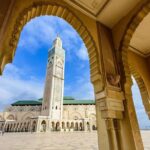
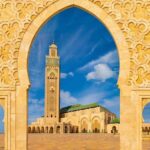
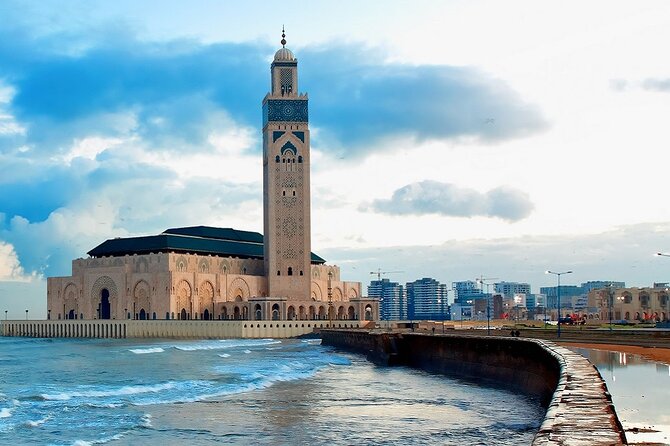
If you want the trip to feel like Morocco right away, this itinerary starts strong. In Casablanca, you begin with Hassan II Mosque. The schedule calls for about 20 minutes at the site, and the ticket is listed as free. Even if you’ve only seen photos, seeing it in person tends to change the scale. You’re not trapped in a long museum-style visit; you’re getting a true landmark moment and moving on.
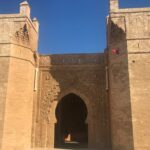
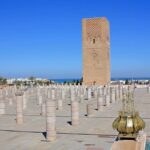
Then the route shifts to Rabat for a classic mix of coast-and-history. You’ll see the Hassan Tower Mosque, Les Oudayas, and the medieval fortified Chellah. The drive time is noted at about 3 hours before heading on to Fes, and you’ll sleep in a riad. That riad overnight matters: it keeps the feeling of “arriving” real instead of ending the day in a random transit hotel.
One small practical consideration: when you pack multiple major towns into the first two days, you can’t expect the kind of slow wandering you get from a self-guided trip. This is a structured route. If you like plans and smooth handoffs, you’ll feel comfortable. If you prefer total flexibility, you may want extra free time later (the itinerary gives you some of that in Marrakech and Essaouira).
You can also read our reviews of more tours and experiences in Casablanca.
Fes inside the old city: views, gates, and Al Qarawiyyin
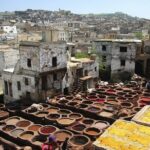
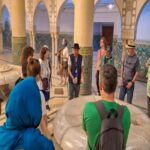
Day 2 in Fes is the kind of day that can either feel overwhelming—or satisfying—depending on how it’s organized. Here, the itinerary is set up with a local guide meeting you at your riad or accommodation in the morning. You’ll combine car time and walking time, which helps a lot in a city like Fes where getting around on foot alone can be slow.
The stop list is designed to give you both orientation and wow moments:
- You start with the old Medina from the outside so you can get your bearings fast.
- You visit the Royal Palace area—described as a beautiful Ksar with seven golden gates. You’re not going for a quick photo and leaving; the idea is to understand the city’s “gate-and-rank” design language.
- Then comes Borj Nord, on a mountain with a view over the Medina. That view is key. Without it, you spend too much time inside confusing alley logic.
- You enter via the Boujloud gate, then your guide walks you toward the University of Al Qarawiyyin, described as the oldest existing university.
What I like here is the mix of perspective: gates and architecture up close, then a high viewpoint, then back down into the Medina’s human scale. If you’re the kind of traveler who enjoys how places are laid out, this day will help you “read” Fes rather than just pass through it.
Possible drawback: the itinerary says some sites are explored by car and others on foot. That usually means walking on uneven surfaces and doing some moving at a local pace. If you know you’re sensitive to cobblestones or long distances, plan for breaks and comfortable shoes.
Atlas driving days: Ifrane, cedar forests, Tizi passes, and Midelt lunch
You don’t reach Merzouga by magic. You earn it with scenery and altitude changes. Day 3 is built around a long but interesting road segment: starting early and driving toward Ifrane, known for architecture that gives a European-feeling contrast. Then you cross one of Morocco’s largest cedar forests, plus the second major mountain pass, Tizi nTalghamt, where you get a panoramic view over the Middle Atlas and Berber villages.
After that, the itinerary schedules lunch in Midelt, called the agricultural capital of Morocco. That stop is practical: after hours on the road, you get a real break that doesn’t rely on squeezing in a quick snack between viewpoints.
Then you pass by the Draa Valley, with a stop to admire it perched by infinite palm groves lined along the Daraa River. For me, this is one of the “quiet wins” of the route. You’re not just chasing famous monuments. You’re moving through the textures of Morocco: mountain air, forest shade, then palms and river life.
One thing to know: road days like this can feel long even when the scenery is good. If you’re prone to motion sickness, consider your usual tricks. And bring water and a snack you can access easily—since lunches aren’t included, you’ll likely want reliable options during breaks even if some meals are planned.
Merzouga camel trek and the camel-hair camp with western bathrooms
This is the headline part of the whole tour, and it’s scheduled in two different ways: once for sunset dunes and once for sunrise magic.
The first desert day: sunset + dinner + music
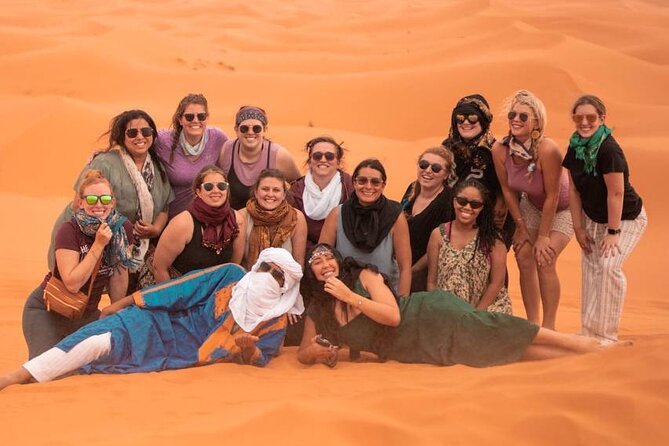
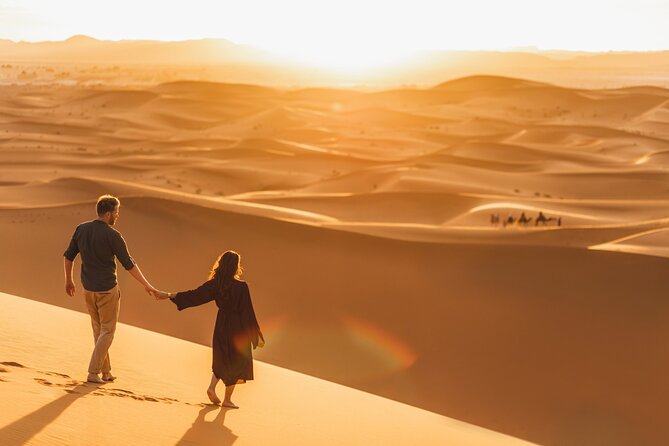
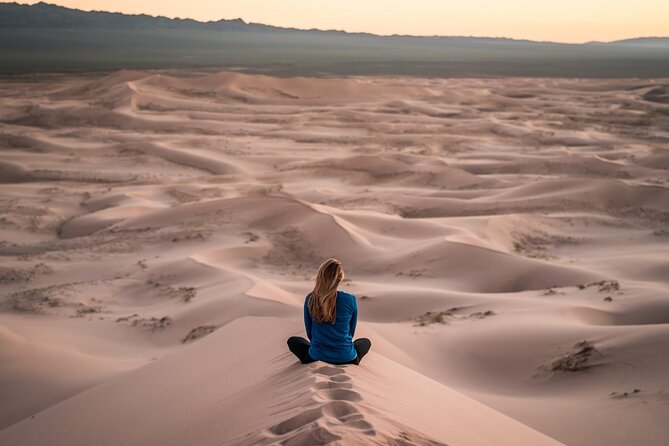
After breakfast on Day 4, you leave behind anything you don’t need and head out on a prepared camel trek with expert guidance. The plan is to ride through the golden dunes of Merzouga, then watch the sunset from above the dunes. That wording matters: you’re not just strolling in sand; you’re set up for a real viewpoint moment.
At the end, you arrive at a traditional camp described as well equipped, set in nomadic camel hair tents. You’ll get traditional dinner, a cup of mint tea, and a Berber music show. Best practical detail: the camp is listed as having western bathrooms. That’s a big quality-of-life difference for people who want the desert experience without feeling like comfort is optional.
The second desert day: sunrise wake-up + shower back to comfort
On Day 5, the itinerary emphasizes the early start: you’ll be woken up early for sunrise, eat breakfast, then ride camels back to the hotel. Then comes a more modern comfort break: you’ll clean the sand off and get a warm shower before breakfast. It’s the kind of transition that helps you keep the next day enjoyable instead of sand-filled and tired.
What I like about doing Merzouga in two parts is pacing. Sunset can feel like “one big moment.” Sunrise makes it feel like you earned a second layer of experience—cool air, changing light, and the dunes looking totally different.
Possible drawback: a camel trek involves riding and sand time, even with expert guidance. If you’re expecting a totally effortless day, adjust expectations. Also, early wake-ups are part of the deal. If mornings make you grumpy, take it seriously: pack a layer for early desert air.
Rissani, Erfoud, Todra, and Dades: markets, fossils, and canyon walls
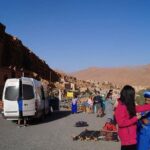
Once you’re out of the dunes, the route keeps moving through smaller, more local places. Day 5 continues with Rissani, including the market stop. You’re shown a local detail that’s easy to miss on your own: donkey parking and donkey as an essential transport for food, water, and people. That’s the kind of observation that makes a place feel real rather than staged.
After Rissani, you drive to Erfoud, noted as a city known by fossils. The schedule says you may visit workshops where experts make furniture and handicrafts. This is less about a single monument and more about understanding what the region produces and how artisans turn local materials into usable art.
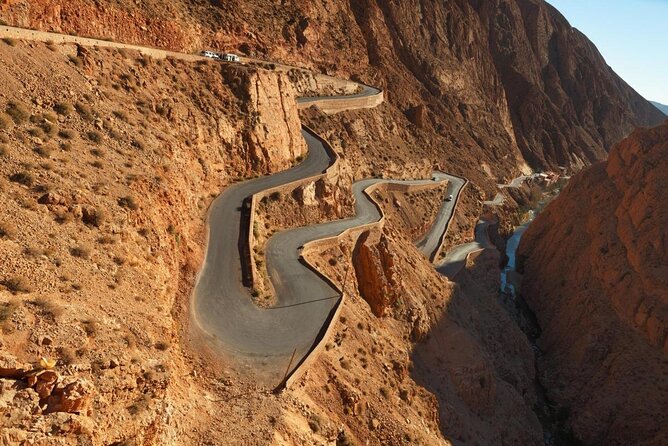
Later, you reach Todra Gorges. The description is vivid: the Todra and Dades rivers carved cliff-sided canyons over the last stretch through the mountains, leaving rocky reliefs and etchings. The itinerary says late afternoon arrival to Dades Valley, where you’ll have dinner and sleep in a hotel.
Why this works: the day moves from desert-adjacent daily life (Rissani) to industrial craft and natural history (Erfoud fossils) to big geology (Todra). You’re not stuck in one type of scenery.
Small caution: canyon time plus road time can mean a fair amount of walking on uneven areas. The itinerary doesn’t specify walking duration at Todra, so treat it as a day where comfortable shoes matter.
Ait Benhaddou and the Tizi n’Tichka climb into Marrakech
Day 6 is one of the most famous transitions in the route: from desert-adjacent Morocco into the cinematic Atlas crossing and into Marrakech culture.
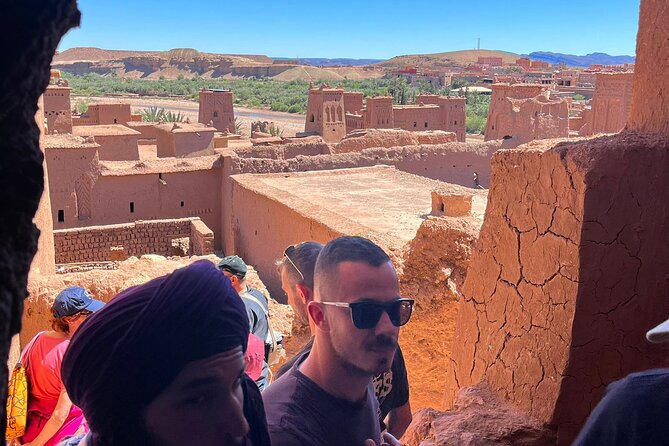
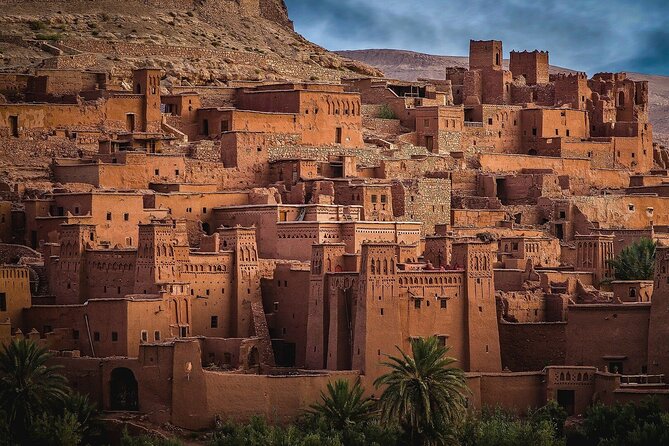
First up is Ait Benhaddou, described as Morocco’s most visited place and a World Heritage site. The itinerary also lists it as a frequent film and TV location—examples given include Game of Thrones, The Mummy, and Son of God. Even if you’re not a movie buff, you’ll likely recognize the set-like shape of the kasbah from photos. Up close, it’s the texture that hits: earth-toned walls and layered architecture that looks designed for the desert light.
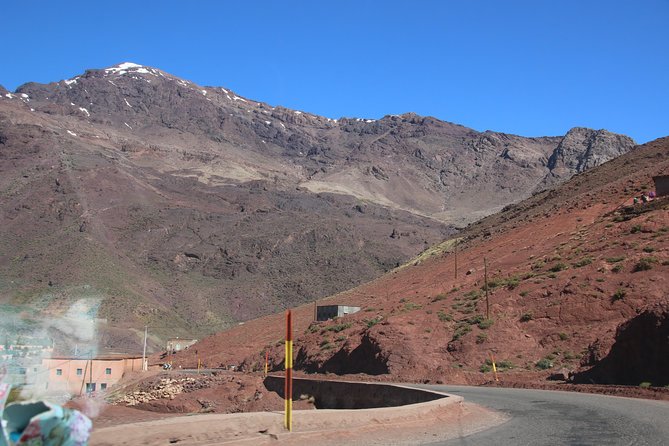
Then comes the big mountain moment: Tizi n’Tichka pass, at 2,260m altitude. The schedule highlights the incredible views over the High Atlas mountains. That’s a day where you’ll probably want to sit on the side that gives you the best views as the bus turns—ask your driver where the best angles are once you’re rolling.
You arrive in Marrakech in the evening and sleep in a riad. That evening-to-riad switch is helpful. After long roads and altitude changes, a riad feels like the “real travel” part of the trip begins again.
Marrakech monuments and medina rhythm: Koutoubia to Jamaa Lefna
Marrakech is where the tour leans into classic sights, and it does it in a way that feels like a guided highlights tour without being purely checkbox-y.
On Day 7, you cover major anchors:
- Koutoubia mosque and Menara gardens
- Bahia palace, described as a blend of arts and crafts
- Old alleys of the medina plus the old market
- Majorelle gardens
- Saadian tombs
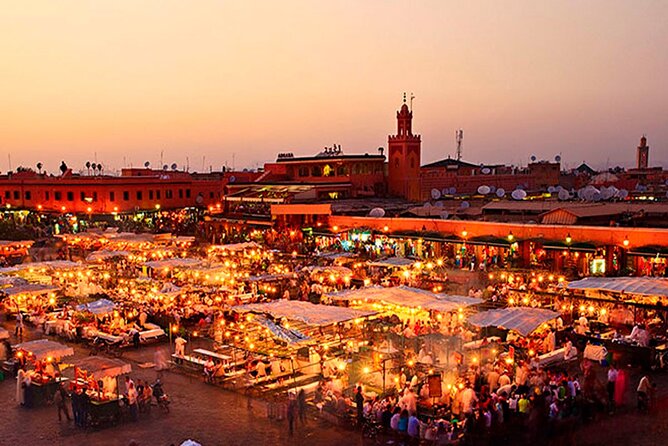
- End at Jamaa Lefna Plaza, with fortune tellers, comedians, and musicians seeking attention
This is a good order for first-time Marrakech. Gardens give you breathing room. Palaces teach you scale and detail. Then you end with the loud, human square energy.
Practical note: this is an active day. You’ll likely spend time walking between sites and dealing with crowds. If you like people-watching, this day will deliver. If you prefer quiet, you may want to step out for small breaks in shade.
The slower day in Marrakech: shopping and breathing room
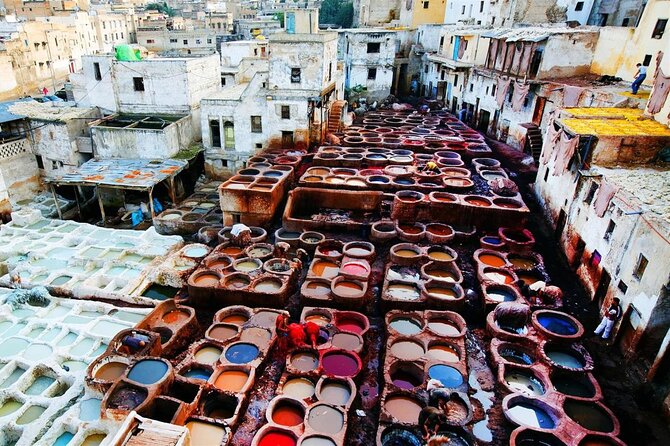
Day 8 is intentionally lighter. It’s a shopping and souvenirs day plus relaxing time in the city. That matters because it balances out the heavy driving days and the structured guided sightseeing from Day 7.
What I like about this setup is that it lets you recover without leaving you stranded. You’re still in Marrakech, so you can choose how you spend the day—wander, shop, or just sit and watch life happen.
Since lunches aren’t included, think about what kind of lunch rhythm you want on this day. If you don’t want to hunt, you’ll do better by choosing a few reliable places near where you’ll be walking.
Essaouira day trip: argan-tree goats and Scala Port by the sea
On Day 9, the route swaps Marrakech crowds for a coastal vibe in Essaouira (called Mogador in the itinerary). Before arriving, you stop to see goats climbing the trees of argan. That’s a specific, memorable regional detail you won’t get anywhere else.
At Essaouira, you’ll explore:
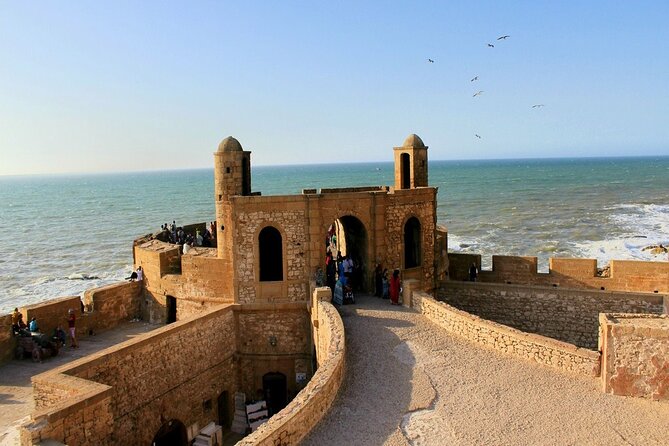
- the Citadel near the beach
- Scala port
- plus free time to walk the town
This day works well late in the itinerary because you’ve already seen deserts and palaces. Now you get sea air and low-stress wandering.
Possible drawback: because it’s a day trip, you may not get as much time as you’d want if you fall in love with the town. Still, the combo of sites plus free time gives you a decent taste.
Price and logistics: what $2,591.65 buys you (and what it doesn’t)
At $2,591.65 per person for about 10 days, the value question is simple: does this route reduce decision fatigue while giving you meaningful experiences?
Here’s what you do get, clearly:
- Air-conditioned vehicle for transport
- Pickup offered
- Max 15 travelers (small enough to keep it manageable)
- 8 breakfasts and 9 dinners included
- Riads and hotels for overnight stops, plus the desert camp experience
- Free-entry items where listed, like parts of Hassan II Mosque and other included sightseeing stops
And here’s what you don’t:
- Lunches are not included
So the real cost comparison isn’t just “price vs. another tour.” It’s also “price vs. how much effort you’d spend organizing transport, drivers, guides, and cross-country logistics.” A route that hits Casablanca, Rabat, Fes, Merzouga, Ait Benhaddou, Marrakech, and Essaouira is not the easiest thing to run smoothly on your own unless you’re already experienced.
One more logistics detail that matters: this trip starts around 8:00am. That lines up with the early desert day style later in the trip. If early mornings fit your rhythm, you’ll do fine.
If you’re traveling with family, the smaller group size and structured schedule can feel safer and easier. If you hate schedules, you may find the day-to-day pace a bit tight.
Who this Morocco tour fits best
This tour is a strong match if you want:
- a big-route overview of Morocco’s most iconic regions without hiring separate guides
- guided time in Fes and major guided moments elsewhere
- the Merzouga camel trek plus overnight camp as a core experience
- riads and hotels mixed in so the trip doesn’t feel purely roughing-it
It’s also a good fit for people who like variety: mosque architecture in Casablanca, fortified and medieval stops in Rabat, medina orientation in Fes, Atlas mountain passes, desert dunes, then palace-and-market Morocco in Marrakech, plus a sea break in Essaouira.
If you prefer one region for a long time instead of hopping around, you might feel rushed. This is a “see a lot” itinerary.
Should you book this Casablanca-to-Morocco imperial cities tour?
I’d book it if you want an organized path through Morocco’s top experiences—especially if Merzouga and Fes are on your must-see list. The desert camp setup with western bathrooms, the planned sunrise and sunset, and the guide-led Fes day are exactly the kind of choices that prevent a dream trip from turning into stress.
I would hesitate if:
- you’re not comfortable with long road days
- you’re very sensitive to early starts
- you prefer to control your own lunch and break timing every day
If you’re good with a structured plan and you want Morocco to feel big from Day 1, this one is worth serious consideration.
FAQ
What time does the tour start?
The tour start time is listed as 8:00 am.
Is pickup offered?
Yes, pickup is offered.
How long is the tour?
It’s a 10-day tour (approximately).
What meals are included, and are lunches included?
The tour includes breakfast (8) and dinner (9). Lunches are not included.
What’s the maximum group size?
The tour has a maximum of 15 travelers.
What happens during the Merzouga desert portion?
You’ll do a camel trek in the dunes (with a planned sunset viewpoint), then overnight in a traditional camp with a dinner, mint tea, and Berber music. The next day includes an early sunrise wake-up and breakfast before riding back to the hotel.
Which cities are part of the route besides Casablanca?
The itinerary includes Rabat, Fes, Merzouga (desert area), Rissani, Erfoud, Todra Gorges, Dades Valley, Ait Benhaddou, Marrakech, and Essaouira.
Is free cancellation available?
Yes, free cancellation is available. You can cancel up to 24 hours in advance for a full refund, and the experience may be rescheduled or refunded if canceled due to poor weather or minimum traveler numbers not being met.