REVIEW · MOROCCO
Marrakech: ourika valley Atlas Mountains & Waterfalls Trip
Book on GetYourGuide →Operated by Prestige morocco trip · Bookable on GetYourGuide
Waterfalls and Berber tea beat Marrakech traffic. This full-day outing turns a quick ride out of the city into a day of Atlas Mountains hiking plus culture stops that feel real, not staged. You head into a greener Ourika Valley where your guide keeps the story grounded as you walk beside the river toward Setti Fatma.
I especially like the human scale of the day: a stop inside a Berber home for mint tea, plus a guided walk through terraced fields and walnut trees makes it easier to understand daily life there. And I also love the women-run argan oil cooperative stop—this is one of the few places where you see how products connect to community work, not just shopping. The one consideration: the waterfall hike can be steep, rocky, and uneven, with limited built-in safety help, so you’ll want solid non-slip shoes and a careful pace.
In This Review
- Key moments that make this trip worth your time
- Why the Ourika Valley day feels like more than a “quick trip”
- Pickup, ride time, and why comfort matters on an 8-hour schedule
- The Berber home stop: tea, hospitality, and how to read what you’re seeing
- Argan oil and the women’s cooperative: real work behind the product
- The hike to Setti Fatma: what to expect, and how to prepare
- Optional lunch by the river: good food, mixed value
- Market and souk time: where the day turns from nature back to people
- Guides and drivers: the real quality multiplier
- Who should book this Ourika Valley trip (and who should skip)
- Price and value: why $15 can feel like a steal, and when it won’t
- Should you book this Marrakech to Ourika Valley waterfalls trip?
- FAQ
- How long is the Marrakech to Ourika Valley trip?
- What does it cost?
- Do I get hotel pickup and drop-off?
- What are the main stops during the day?
- Is lunch included?
- How strenuous is the hike to the waterfalls?
- Are there any food or drink restrictions?
- What languages are available for the guide?
- Is the tour suitable for young children or older adults?
- What’s the cancellation policy?
Key moments that make this trip worth your time
- Setti Fatma waterfall hike with a shaded river path and dramatic payoff at the falls
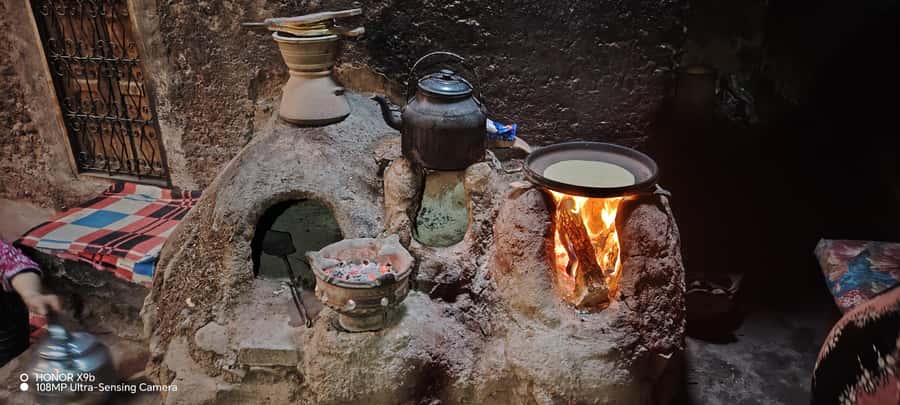
- Berber home tea time (often including homemade bread flavors like olive oil and honey)
- Women-run argan oil cooperative where you learn how oil is made and what it supports
- Guide-led cultural walking through villages, fields, and local rhythms
- Optional riverside lunch with tagines and grilled dishes and mountain views
Why the Ourika Valley day feels like more than a “quick trip”
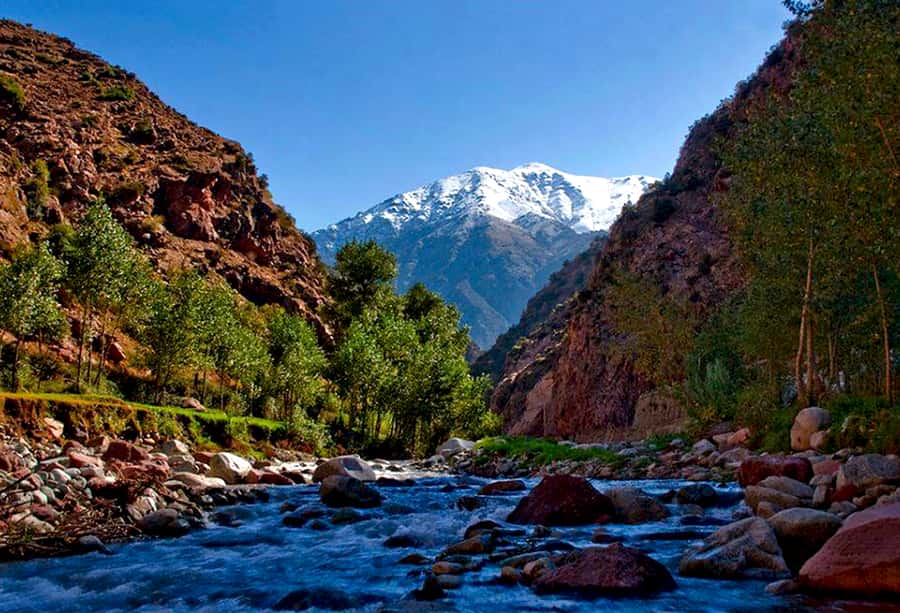
Marrakech is loud. Then, in about 45 minutes, you’re swapped into a different pace—cooler air, greener valley views, and a river running through the Ourika area. That distance matters because it lets you do a full day of walking and culture without feeling like you spent the whole day in a vehicle.
What makes this day work is the mix. You’re not just getting a bus ride to a waterfall. You also get cultural stops that are connected to real routines: a Berber home visit, a cooperative linked to argan production, and time for a market or souk stop depending on the day. It’s the kind of itinerary that helps you connect the dots: why people live where they do, what they grow, and what they sell.
You can also read our reviews of more tours and experiences in Morocco.


Pickup, ride time, and why comfort matters on an 8-hour schedule
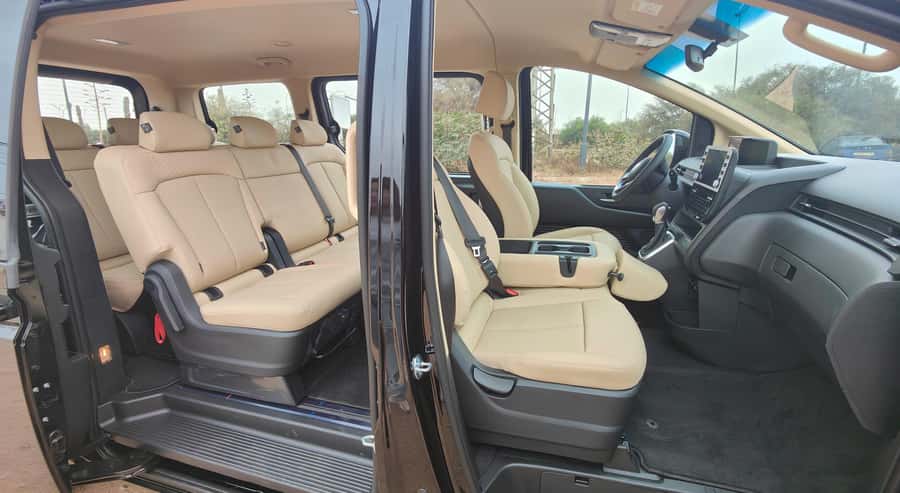
The tour is built around hotel pickup and drop-off, with a van/transport ride that’s typically around 40–45 minutes each way. That sounds simple, but comfort can make or break the day—especially if you’re the one in the middle seat.
A few practical notes from what people describe:
- The ride can feel tight in space, so it helps to wear something comfortable and consider bringing a light layer.
- Pickup can run a bit variable. Some days start later than expected or involve route stops for other pickups, which means you should plan to be flexible rather than counting minutes to the second.
The driver and guides can be very strong on communication and care. Names that show up often include Mohammed, Said, and Abdul as drivers, and Larbi (Larbi Ourika / Larbi Urika) as a guide. When the guide is confident and patient—especially on walkways and during shopping stops—the whole day feels smoother.
The Berber home stop: tea, hospitality, and how to read what you’re seeing
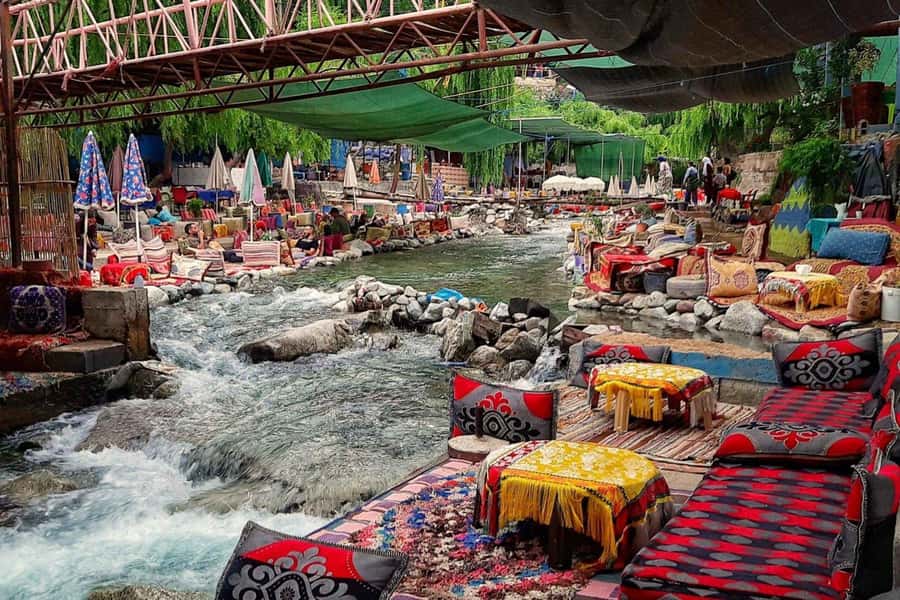
The day typically includes a visit to a Berber home where you’ll be welcomed with mint tea. This is one of those stops that’s short but meaningful because it gives you a window into how the space is used and what people consider normal.
On this tour, you might also be offered more than tea—some visitors describe homemade bread served with olive oil and honey. Even if your version is tea-only, the point stays the same: you’re seeing hospitality as an everyday practice, not a performance.
Two tips for getting more out of this stop:
- Ask one or two questions (through your guide) about daily life—what the family does, how seasons affect work, or how they view visitors.
- Be warm, but don’t rush the moment. People tend to move faster when they’re nervous; slowing down helps you notice the details that make the visit feel genuine.
Argan oil and the women’s cooperative: real work behind the product
The women-run argan oil cooperative stop is often a highlight because it’s not just a photo-op shop. You learn how argan oil is produced and how the work supports the cooperative’s members.
This matters for your experience because argan oil gets marketed everywhere. Here, you get a clearer connection between:
- raw materials (argan)
- the production steps you can actually see or describe back home
- and community income through cooperative organization
You may also be invited to buy products. That’s normal in this setting. The key is to treat it as a choice, not a test. If you’re tempted by gifts or skincare, go in with a plan: decide what you’d like before you’re in the thick of sales talk.
The hike to Setti Fatma: what to expect, and how to prepare
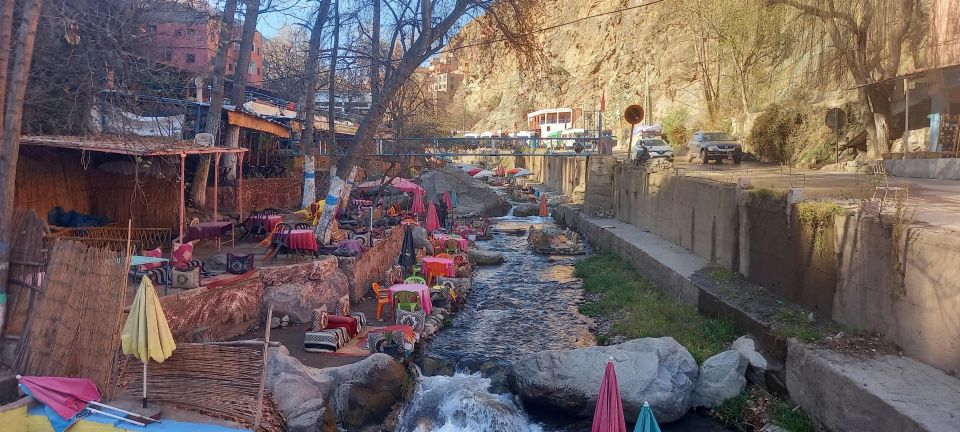
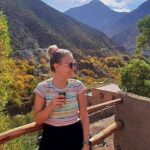
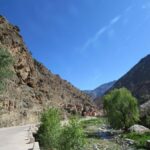
The centerpiece is the guided hike to Setti Fatma waterfalls. You’ll follow a trail beside the river, with stretches that can feel cooler and shaded. Along the way, you pass terraced fields and walnut trees, and your guide will keep the route moving at a pace that works for the group.
Still, this is not a stroll. Multiple people describe:
- a steep approach in places
- uneven rocky terrain
- occasional stream crossings
- and not much in the way of handrails or safety barriers
One of the best things about the day is that the hike support can be excellent. Some guides are specifically praised for helping people who struggled, offering patience on uneven ground. It’s also why footwear is non-negotiable.
What to wear
- Non-slip shoes with grip
- Socks you don’t mind getting damp
- A light rain layer if forecasts look messy (one person described rain interrupting lunch)
How to hike it
- Take your time. Your pace will feel slower at first, then you’ll realize you’re not as rushed as you think.
- When the trail gets slick, focus on short steps and stable footing. It’s not about speed—it’s about staying steady.
And yes, one caution: a few people didn’t feel the waterfall itself matched the effort. Their main complaint was that there’s a “big waterfall” experience that can be easier to access. So if you’re the type who wants maximum reward with minimal risk, know this hike asks more of you than some alternatives.



Optional lunch by the river: good food, mixed value

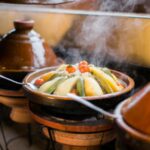
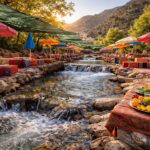
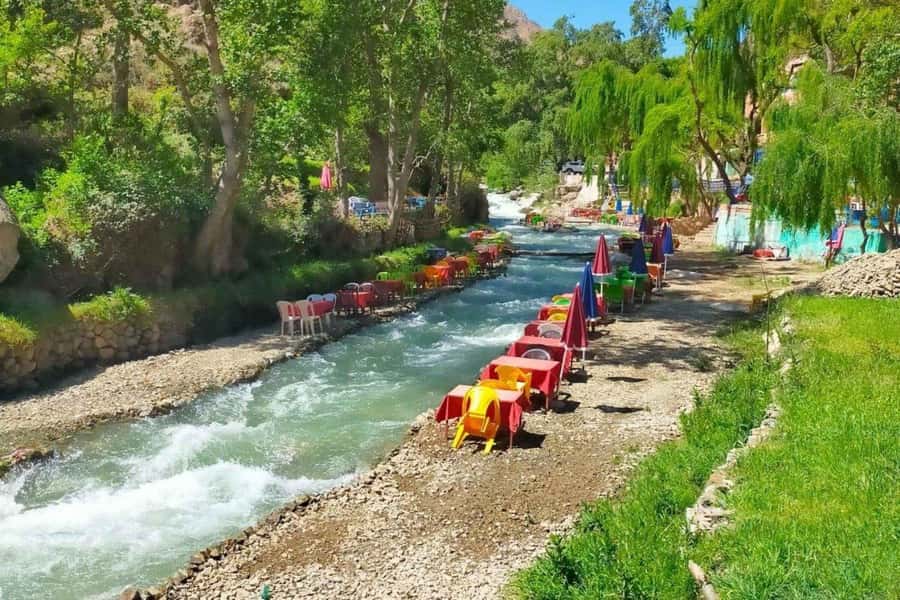
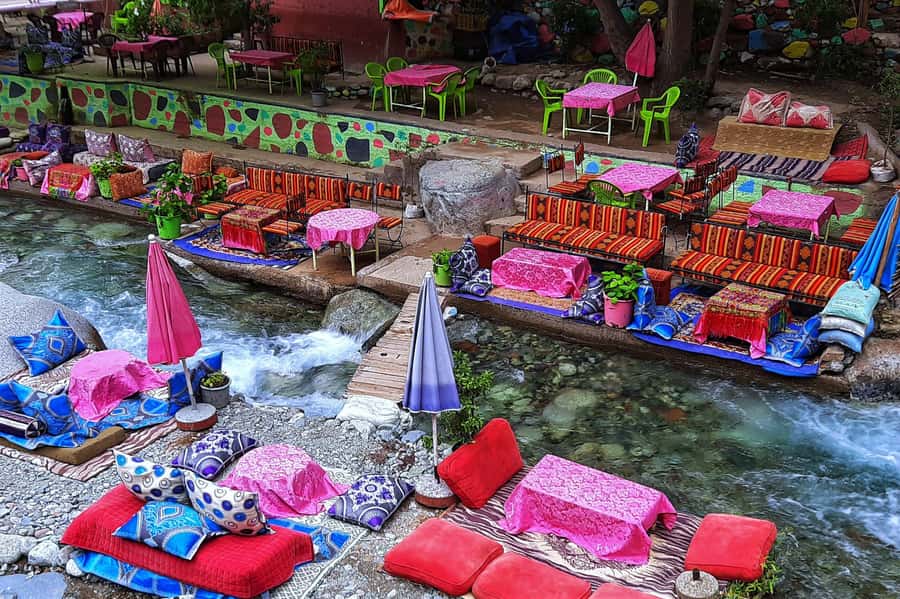
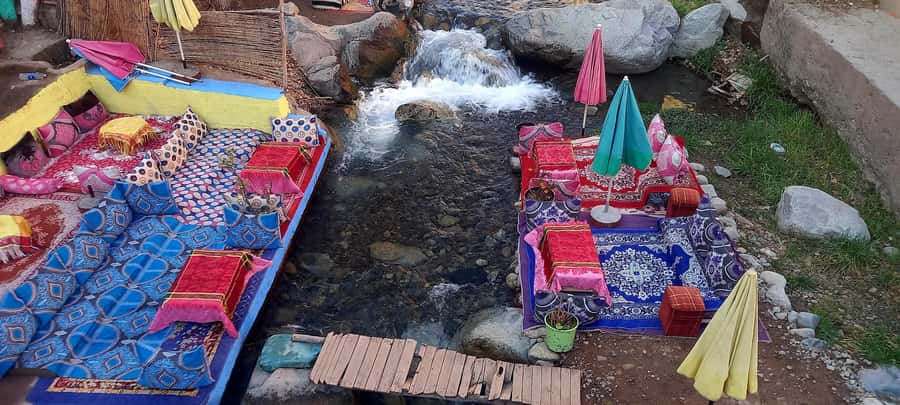
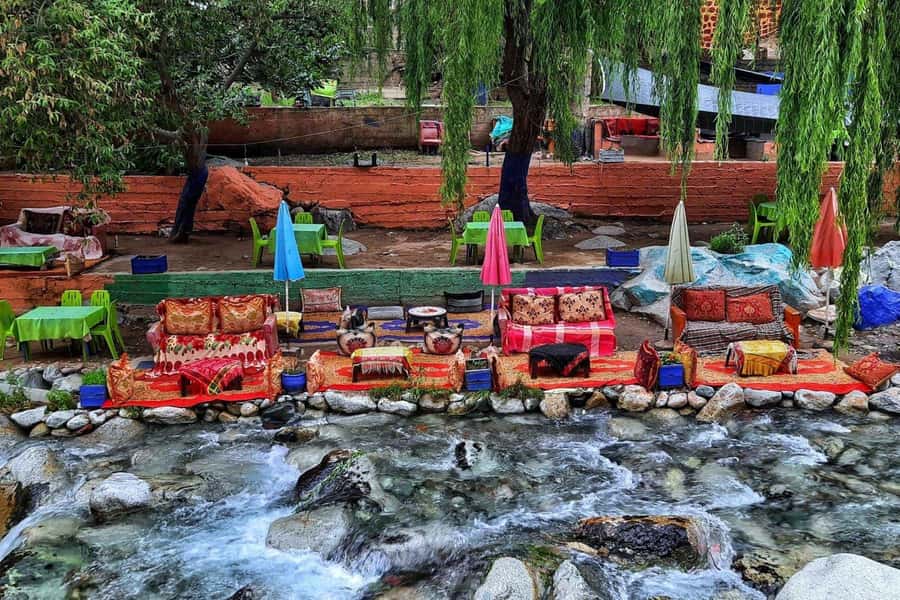
After the waterfall time, the day often includes an optional traditional Moroccan lunch at a riverside restaurant. Think tagines and grilled meats, usually served with mountain views that make the food taste better just because you’re outdoors and tired.
Two balanced thoughts:
- The meal can be lovely in setting and flavor—when the weather cooperates, it’s a calm reset.
- But the cost can feel high compared with what you get. One person called lunch expensive for what it was.
If you want to protect your budget, consider this:
- If you skip lunch, bring a small snack so you don’t crash.
- If you’re going for lunch, treat it as part of the day’s rhythm, not as a deal-bargain.
Market and souk time: where the day turns from nature back to people
On the way back—or sometimes between stops—you may get time for a browse in local souks or a weekly Berber market (depending on market days). This is a nice contrast because the valley gives you quiet, and the market gives you the energy of daily trade.
A reality check, though: markets often come with a lot of attention. Some visitors note being shown carpets and other products and that you can feel sales pressure. The good news is you’re not required to buy. Keep your answers simple:
- thank you, just looking
- later today / maybe another time
- only if there’s a price you’re happy with
If you stay calm and let your guide manage the pacing, the shopping energy can be fun instead of stressful.
Guides and drivers: the real quality multiplier
For a budget-friendly day trip, the quality of the human team is the difference between “I saw things” and “I understood things.” The guide experience here often lands in the positive zone.
Some guide names that come up with praise:
- Larbi (Larbi Ourika / Larbi Urika) for friendliness, preparation, and patience
- Eureka as a guide described as great with the group
- Ismail as a second guide who helped during the day
And drivers like Mohammed, Said, and Abdul are described as professional and attentive.
What you’re looking for in a guide, practically, is this:
- clear instructions on the hike
- patience at stops (especially when people want photos or shopping time)
- and control when the group moves through rocky sections
When those pieces click, the day feels organized even if the valley itself is imperfect and weather can change.
Who should book this Ourika Valley trip (and who should skip)
You’ll likely love it if you want a day that combines:
- a real Berber home visit
- a cultural stop tied to argan oil
- and a guided walk to Setti Fatma
It’s also a good fit for you if you enjoy seeing everyday life instead of only monument photos.
You might want to think twice if:
- you hate steep, uneven terrain
- you have mobility concerns (the tour isn’t suitable for children under 2 and babies under 1, and it lists people over 70 as not suitable)
- or you expect a “low effort” waterfall. This one asks for footwear and careful steps.
Also note: alcohol and drugs are not allowed, and baby carriages aren’t allowed—so plan accordingly if you’re traveling with kids or gear.
Price and value: why $15 can feel like a steal, and when it won’t
At $15 per person for an 8-hour day with pickup/drop-off, a guide, transport, a Berber house visit with tea, a cooperative stop, and a guided hike, the value math is strong. You’re paying for a full structured day, not just a ticket to the trail.
Where value can shift:
- If you add the optional lunch, your total day cost rises quickly.
- If transport feels cramped, you might feel like you paid less than you expected in comfort, even if the content is still good.
- If your main priority is the waterfall itself and you dislike steep hikes, you might decide your money would have gone better elsewhere.
Still, for most people who can handle a more active hike, this is one of the better “do Morocco outside the city” options for the price.
Should you book this Marrakech to Ourika Valley waterfalls trip?
Book it if you want culture plus a real hike, and you’re happy to trade a bit of comfort for an authentic-feeling day out of Marrakech. If you can handle rocky terrain and bring grippy shoes, you’ll get a memorable mix: mint tea in a Berber home, a cooperative tied to argan oil, and the views and water at Setti Fatma.
Skip it if you want an easy, flat walk or you’re not comfortable with steep and uneven sections. In that case, you’ll likely feel the effort more than the reward.
FAQ
How long is the Marrakech to Ourika Valley trip?
The trip runs about 8 hours.
What does it cost?
It’s listed at $15 per person.
Do I get hotel pickup and drop-off?
Yes. Pickup and drop-off are included, and the driver arrives about 10 minutes early if your hotel is accessible by car.
What are the main stops during the day?
You’ll visit the Ourika Valley, a Berber home for tea, a women’s argan oil cooperative, and you’ll hike to the Setti Fatma waterfalls. You may also have time for a souk or weekly Berber market depending on the day.
Is lunch included?
Breakfast is listed as included, and lunch is described as optional at a riverside restaurant.
How strenuous is the hike to the waterfalls?
It involves a guided hike and includes steep and rocky terrain to reach the waterfall. Non-slip shoes are strongly recommended.
Are there any food or drink restrictions?
Alcohol and drugs are not allowed.
What languages are available for the guide?
The live tour guide is available in English, French, Spanish, and Italian.
Is the tour suitable for young children or older adults?
It’s not suitable for children under 2, babies under 1, or people over 70.
What’s the cancellation policy?
Free cancellation is available up to 24 hours in advance for a full refund.