REVIEW · AGADIR
Dromedary Safari: 2 hours
Book on Viator →Operated by agadir couscoustrip · Bookable on Viator
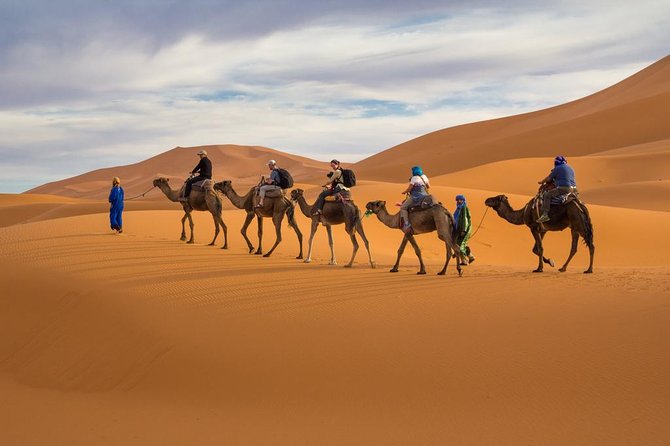
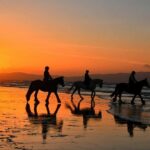
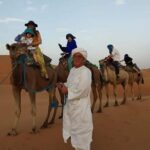
Camel tracks meet royal views in Agadir’s dunes. This 2-hour dromedary safari pairs a guide-led camel ride in and around Souss Massa with a scenic pass near the Great Royal Palace of Agadir, then heads toward the Flamingos river area.
What I like most is the animal-focused vibe and the fact that this is paced as a real ride, not a factory line. You also get the comfort of air-conditioned vehicle pickup in a small group, with a maximum of 15 people.
One thing to consider: the activity asks for moderate physical fitness, since you’ll be getting on and off a dromedary and spending time in the saddle.
In This Review
- Key things that make this safari worth your time
- A two-hour camel ride that mixes nature and landmark time
- Price and logistics: how value really works at $33.14
- Pickup and small-group setup: the comfort part matters
- National Park of Souss Massa: what to expect on the camel route
- The Flamingos river stop: a themed endpoint with real breathing room
- Passing the Great Royal Palace of Agadir on camelback
- Dromedaries and guides: what “good handling” looks like in practice
- What the 2-hour timing really feels like
- Comfort and safety: who this fits (and who should skip it)
- About the team and the vibe you’re paying for
- Should you book Dromedary Safari from Agadir?
- FAQ
- How long is the Dromedary Safari?
- Where does this tour take place?
- What does the price include?
- Is pickup available?
- How many people are in the group?
- Is there a mobile ticket?
- Is admission included?
- What should I know about physical fitness?
- Can I cancel or change my booking?
Key things that make this safari worth your time
- Small-group feel (up to 15 travelers), so you’re not stuck behind a crowd
- One rider per dromedary with a guide alongside, which helps you move at a human pace
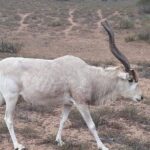
- Dromedaries described as well cared for, including calm, brave behavior
- No mass processing energy—the flow feels more like a walk with animals than a production
- You pass major sights, including the Grand Royal Palace area, during the ride
- Route reaches the Flamingos river area, so it’s not just dunes for dunes’ sake
A two-hour camel ride that mixes nature and landmark time
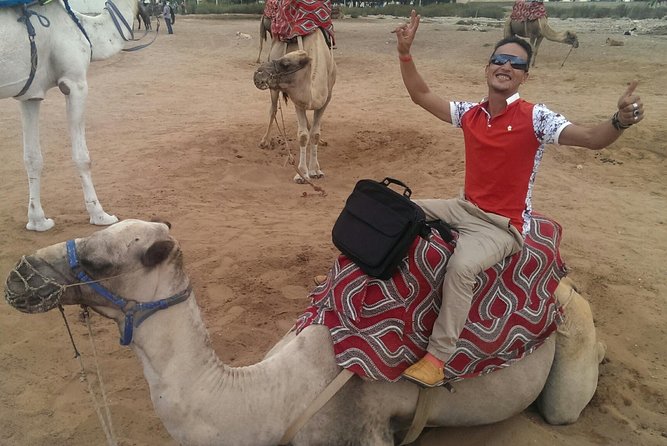
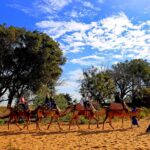
This is a short safari with a clear goal: get you onto a dromedary and move through the sand with a guide, then tie it into the scenery around Agadir. In two hours, you’ll experience that special rhythm of camel travel—step, pause, step—while your guide keeps the group organized and moving safely.
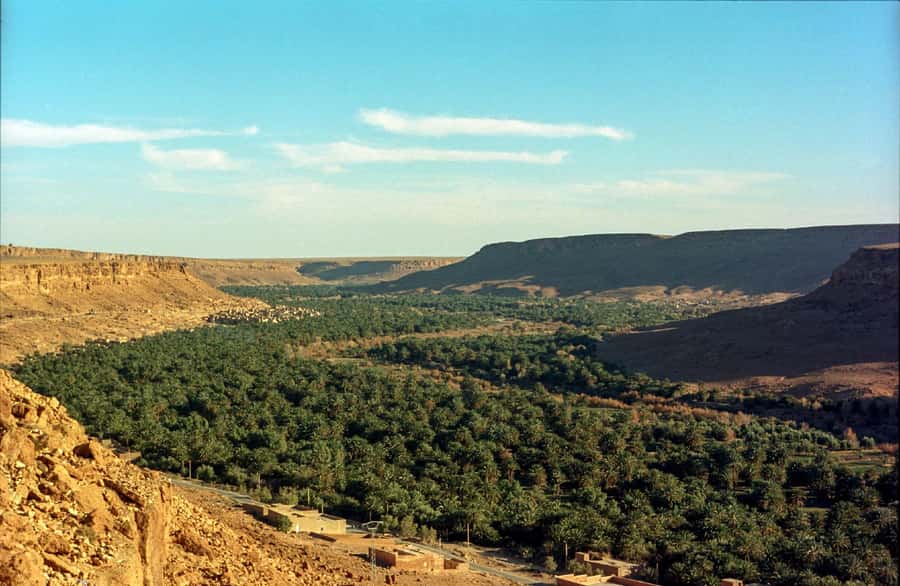
I also like that the route is framed around a real natural area: the National Park of Souss Massa. Even if you’re not a hardcore nature person, it gives the ride purpose beyond photos of dunes.
If you’re the type who gets bored on long tours, this one has the right length. It’s long enough to feel like you did something, short enough that you’re not exhausted at dinner.
A few more Agadir tours and experiences worth a look

Price and logistics: how value really works at $33.14
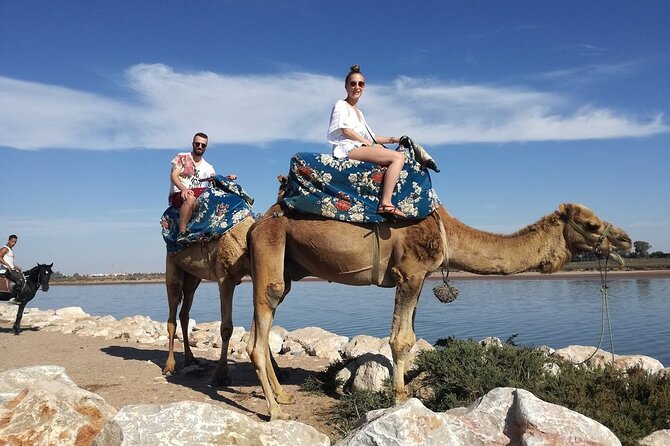
At about $33.14 per person, the value comes from what’s included and how it’s run. You’re not paying extra for private, comfortable transport—private transportation and an air-conditioned vehicle are included.
Also, the itinerary notes admission tied to the activity as free. That means you’re mostly paying for the ride, guide time, and the experience structure, not layered entry fees.
One practical note: the listing also shows something called PORBOIRE as not included. That usually means extra items like a tip or similar local payment, so keep a little cash set aside just in case.
And yes, it’s booked pretty commonly—on average people reserve about 6 days in advance. So if you want a specific day, plan ahead instead of hoping.
Pickup and small-group setup: the comfort part matters
The tour offers pickup, and the transport is air-conditioned. For many people, that’s not a small detail. Agadir can feel warm fast, and arriving already cooled off makes the whole start of the day feel smoother.
The group size limit is 15 travelers, which is the sweet spot for camel rides. Big groups turn every pause into a traffic jam. A smaller group tends to keep your ride moving and lets your guide actually manage the flow without rushing.
You’ll also get a mobile ticket, which is handy when you’re juggling phone, wallet, and time. If you’re the kind of traveler who hates paperwork, this helps.
National Park of Souss Massa: what to expect on the camel route
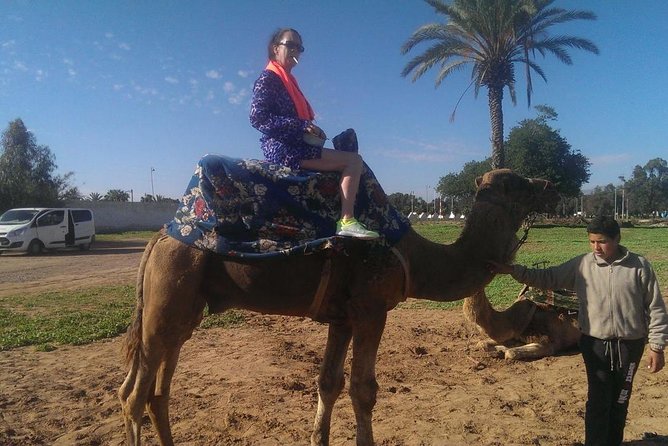
The ride starts with the National Park of Souss Massa in the plan, with a dromedary “dot” style of excursions that gets you to the Flamingos river area. The key word here is route. You’re not just sitting on a camel for a single straight line and done.
You should expect a guided progression through sand and open terrain. Camel travel in the dunes has a built-in pacing system: the animal decides the rhythm, the guide manages spacing, and you adjust your balance.
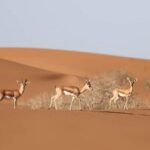
If you care about seeing wildlife, this is the reason the itinerary explicitly names Flamingos. You’re being brought to the river area connected with that theme. You can’t count on any specific bird sighting, but you’re in the right zone for a chance at that moment.
A practical tip: wear something you can move in easily and shoes that won’t slip. You’re not walking a museum route here. You’re on shifting ground with a live animal, so comfort beats fashion.
The Flamingos river stop: a themed endpoint with real breathing room
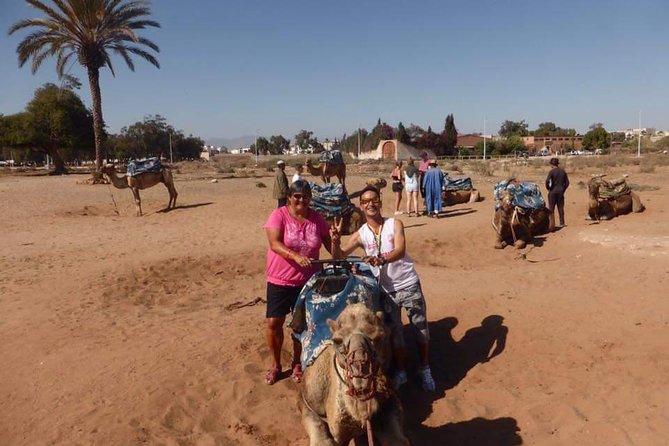
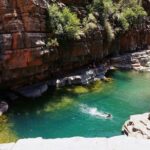
The activity aims for arrival at the Flamingos river area. Think of this as the endpoint that gives the ride meaning. Without it, a camel safari can feel like a loop that ends where it began.
Because the group limit is small and the ride isn’t described as mass-run, you’re more likely to have time to look around rather than being pulled along like a conveyor belt. In at least one detailed account, the setup included freedom of space compared to typical busy processing.
When you reach the river area, take a moment before you start snapping photos. Check the light, watch where your guide is positioning the camels, and make sure you’re not blocking anyone’s view.
And if you’re hoping for a classic flamingo moment, keep expectations flexible. The value here is the ride and the environment, not only the birds.
A few more Agadir tours and experiences worth a look
Passing the Great Royal Palace of Agadir on camelback
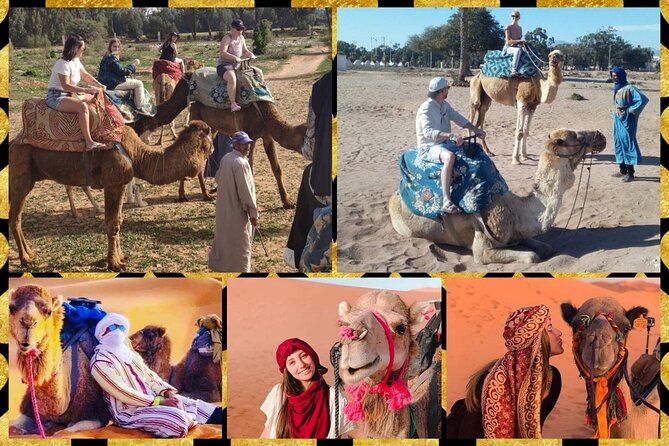
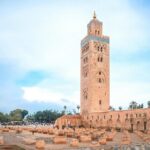
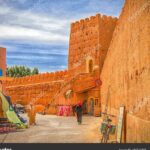
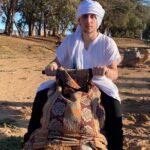
One of the unique parts of this experience is the promise that you’ll pass near the Great Royal Palace of Agadir during the ride. That’s a big contrast from most desert-only camel trips you see on social media.
Passing a landmark like that gives you a sense of place. You get the dunes and then—without changing tours—your route threads through a recognizable royal-adjacent sight. It makes the ride feel tied to Agadir itself, not just a “somewhere outside town” outing.
How to handle this moment? Be ready for quick photo windows. Landmarks along a ride don’t always come with a long stop. So have your phone accessible and keep your body balanced first, photos second.
If you like travel that mixes everyday real-world geography with traditional activities, this is a strong point in the itinerary.
Dromedaries and guides: what “good handling” looks like in practice
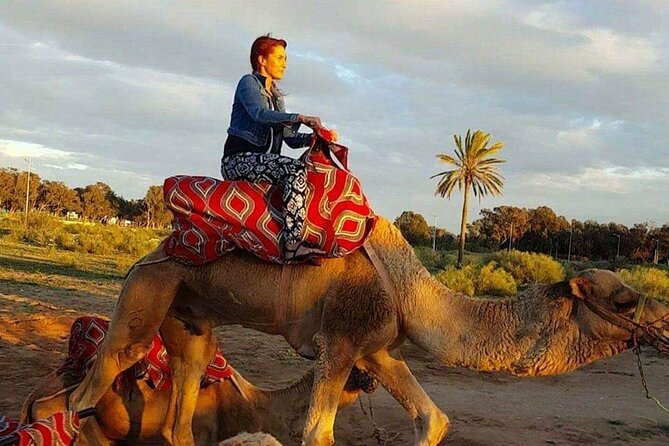
The best praise in the feedback centers on how the camels and the handlers are treated. You’ll want a safari where the animals look calm and cared for, because that’s what makes the ride feel safe and respectful.
One review specifically praised well-kept, brave dromedaries and good handling around people and animals. Another key detail: dromedaries were described as ridden without muzzle gear (no covering on the mouth), and the flow was not treated like a mass turnover.
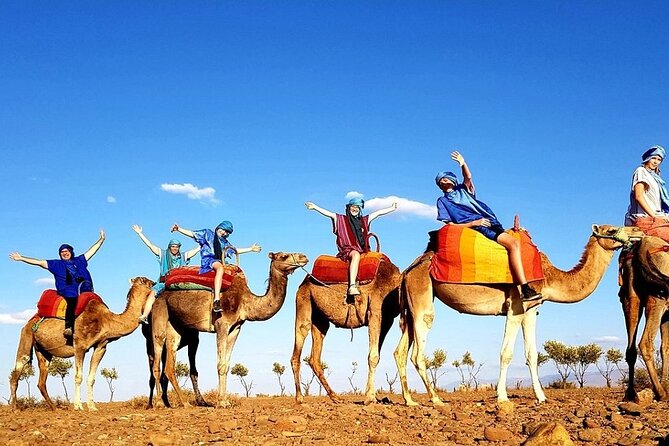
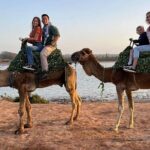
You should also expect a guide who’s actively involved, not just present. The same review notes a setup where one person rides per dromedary with a guide alongside, which is exactly how you want it. That arrangement reduces jostling and makes it easier to adjust if you’re feeling a bit unsteady at first.
Look for guide cues. If they slow down, follow. If they pause, sit tall and give your camel a second to settle. You don’t need to fight the motion—you just cooperate with it.
What the 2-hour timing really feels like
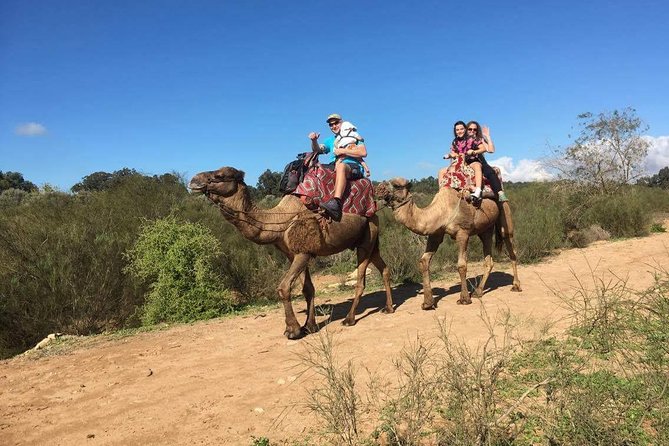
Two hours sounds short until you’re on the saddle, and then you realize it’s enough time to “arrive” somewhere, not just ride past it. The activity is designed as a focused block: enough time for dune travel, landmark passing, and reaching the Flamingos river area.
Because it’s time-limited, you won’t have a lot of dead waiting. Still, remember that camel rides move at animal speed. If the guide stops for spacing or to keep everyone safe, don’t treat it like a delay. It’s part of the ride.
Plan to keep the rest of your day lighter. You’ll come back feeling like you did something outdoors, even if you’re not soaked in desert heat.
Comfort and safety: who this fits (and who should skip it)
This safari is listed as moderate physical fitness. That usually means you should be comfortable with mounting, sitting upright, and being on your feet during short moments of positioning.
If you have balance issues, recent injuries, or you’re unsure about riding animals in sand, you may want to reconsider. If you do go, go with patience. It’s a ride, not a gentle stroll.
On the positive side, service animals are allowed, so if you travel with one, this is built with that in mind.
About the team and the vibe you’re paying for
People are clearly impressed by the team’s attitude. One French comment described the crew as exceptional and mentioned a great ride, with couscous being a highlight for their group. I can’t say a meal is guaranteed based on the provided inclusions, but it’s a clue that the experience may come wrapped in warm local hospitality beyond just the riding.
The bigger takeaway for you: you’re not paying only for sand and camels. You’re paying for how the ride is run—how your guide communicates, how the camels are handled, and how smoothly the group is managed.
A good guide turns a potentially awkward activity into a calm, even fun outing. This one aims for that.
Should you book Dromedary Safari from Agadir?
I’d book if you want a short camel experience with a small-group feel, easy comfort transport, and a route that includes more than dunes. The mix of National Park of Souss Massa and a pass near the Great Royal Palace of Agadir makes this feel more like real Agadir geography, not a generic desert set.
Book too if you care about humane handling. The feedback highlights calm, well-treated dromedaries and a setup that avoids squeezing riders into crowded lines. That matters more than people think.
Skip it if you don’t want to be on a camel or you’re worried about the moderate physical fitness requirement. Also, if you’re only chasing a guaranteed flamingo sighting, this is better viewed as a route to the river area where you might see wildlife, not a wildlife guarantee.
If you’re trying to fill one half-day in Agadir with something authentic and not too long, this is a strong fit. Just dress for sand, bring your patience, and expect a ride that moves like an animal ride—steady, guided, and genuinely different.
FAQ
How long is the Dromedary Safari?
The experience lasts about 2 hours.
Where does this tour take place?
It’s in Agadir, Morocco.
What does the price include?
The included items listed are private transportation and an air-conditioned vehicle.
Is pickup available?
Yes, pickup is offered.
How many people are in the group?
The tour has a maximum of 15 travelers.
Is there a mobile ticket?
Yes, a mobile ticket is used.
Is admission included?
The itinerary notes admission ticket as free for the activity.
What should I know about physical fitness?
The tour notes that travelers should have a moderate physical fitness level.
Can I cancel or change my booking?
This experience is non-refundable and cannot be changed for any reason.