REVIEW · AGADIR
Desert Trip Merzouga Erg Chebbi 6 Days From Agadir via Marrakech
Book on Viator →Operated by Ibrahim Marokko Tours · Bookable on Viator
Desert nights start with a proper road trip. I love the way Ibrahim Marokko Tours runs this as a stress-light, punctual operation, with a multilingual guide-driver who keeps the long drives organized and the stops making sense. You’ll get a real feel for southern Morocco by moving through Marrakech, the Atlas gateways, and deep desert country instead of staying stuck around Agadir’s resort vibe.
I also like the mix of iconic sights and hands-on moments: UNESCO Kasbah Aït Ben Haddou, palm-grove Drâa Valley breaks, and then camel ride time into the Erg Chebbi dunes with dinners included. The main drawback to plan for is simple: the schedule is full, the road days are long, and lunch isn’t included, so you’ll want to budget for food on the go and pack a few snacks.
In This Review
- Key highlights to look forward to
- Day 1: Marrakech from Agadir, with souks and Majorelle Gardens
- Day 2: Tichka Pass and the UNESCO moment at Aït Ben Haddou
- Day 3: Drâa Valley palm groves to Tamgrout, then Tinfou dunes near Zagora
- Day 4: Merzouga and Erg Chebbi at sunset, camel ride and a bivouac night
- Day 5: Back through the Draa Valley to Ouarzazate, plus film-studio optional time
- Day 6: Taroudant’s little-Marrakech vibe and the return to Agadir
- Price and value: what $1,103.38 buys you (and what it doesn’t)
- What makes this tour feel reliable on the road
- Who should book this, and who should consider another option
- Should you book this 6-day Agadir–Merzouga route?
- FAQ
- How long is the Desert Trip Merzouga Erg Chebbi tour?
- Where does the tour start?
- Does the tour include pick-up?
- What are the main places you visit during the 6 days?
- What’s included in the price?
- What is not included?
- What is the cancellation policy?
Key highlights to look forward to
- Private, group-only format with your own transportation and guide-driver
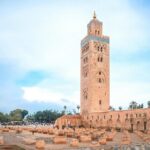
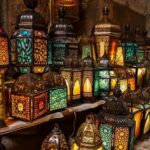
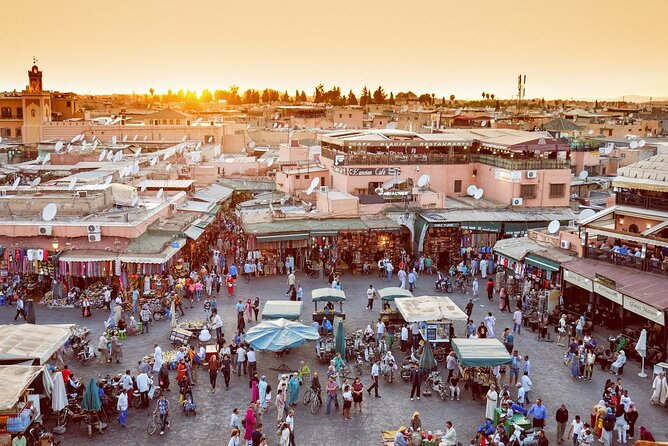
- Marrakech morning contrast with Medina souks, Jemaa el-Fna, and Majorelle Gardens
- UNESCO Aït Ben Haddou plus Kasbah of Taourirt in Ouarzazate
- Tamgrout Koranic library and Tinfou dunes near Zagora for a calmer desert-side feel
- Erg Chebbi sunset camel ride and a night in a bivouac at the dunes
- Five included dinners to take some pressure off your day-to-day planning
Day 1: Marrakech from Agadir, with souks and Majorelle Gardens
This trip’s first real payoff is how quickly you switch gears. You start from Agadir and head out for Marrakech in the morning, with about a three-hour drive before the city does what it does best: noise, color, and people everywhere. It’s a good setup because you reach the Medina when you still have energy to walk instead of arriving at night and calling it a day.
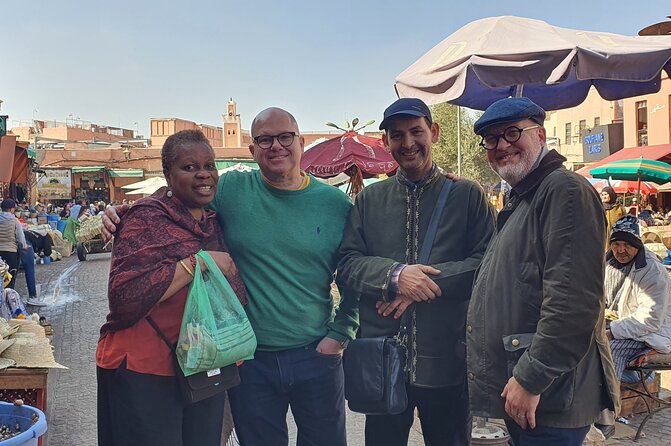
Once you’re in Marrakech, you’ll focus on the essentials without getting lost in a maze of side streets. Expect time around the Medina souks, Jemaa el-Fna, and Majorelle Gardens. The souks are for browsing and people-watching, while Jemaa el-Fna gives you that classic Morocco-at-sunset pulse. Majorelle Gardens is a nice counterweight—more restful, with a different rhythm than the street stalls.
Dinner is included in Marrakech, which matters on a road trip like this. After a travel day, you don’t want to hunt for something good while your brain’s busy replaying road time.
One practical note: Jemaa el-Fna can be active, so wear comfortable shoes. Also, if you want photos without standing in crowds forever, pick a spot early and take your time rather than chasing every angle at once.
You can also read our reviews of more tours and experiences in Agadir.

Day 2: Tichka Pass and the UNESCO moment at Aït Ben Haddou
Day 2 is where the drive starts feeling like part of the story. You go from Marrakech to Ouarzazate via the Tichka Pass at about 2260 meters, with planned stops along the way. The pass itself is a scenic big change—high-altitude views, winding roads, and that sense you’re leaving the easy geography behind.
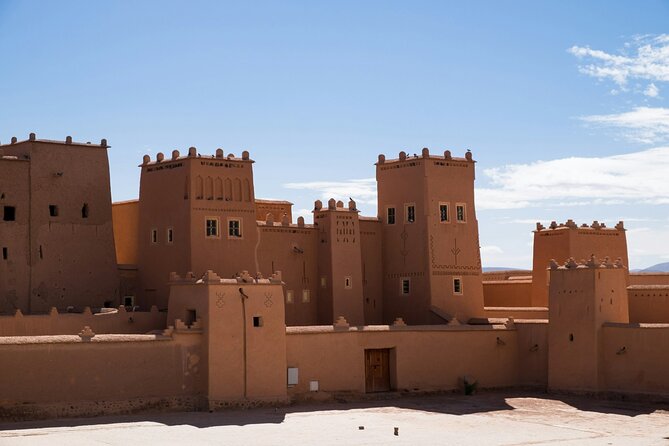
Your main highlight here is Kasbah of Aït Ben Haddou, a UNESCO World Heritage Site. This stop is more than a checkbox. The kasbah’s layered architecture and earthen walls are built for slow looking. Even if you don’t do a long guided lecture, it’s the kind of place where your brain understands history just by seeing how it was made.
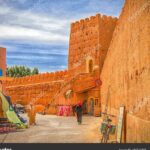
Afterward, you head into Ouarzazate and visit the Kasbah of Taourirt. This is your closer look at how these fort-style spaces connect daily life and defense in one built environment. It helps break up the day so it isn’t just “drive, drive, drive.”
Why this day works for value: you’re not paying only for transit. You’re getting a major cultural stop (UNESCO) plus another kasbah visit, all tied to the natural route people actually use through the Atlas area. That keeps you moving with purpose.
The only consideration is pace. This is still a long driving day, so if you’re prone to road fatigue, keep water handy and plan to stretch during stops.
Day 3: Drâa Valley palm groves to Tamgrout, then Tinfou dunes near Zagora
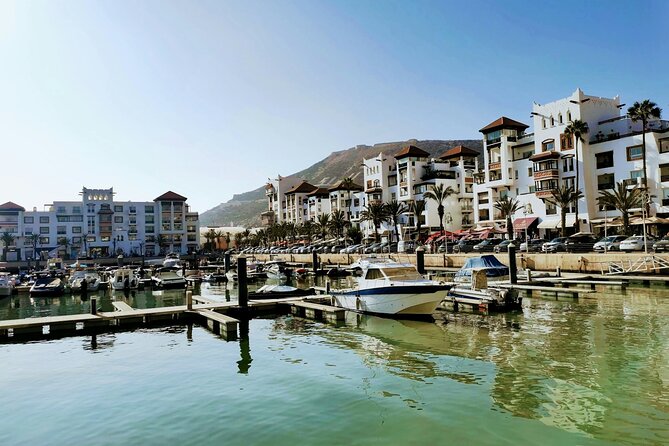
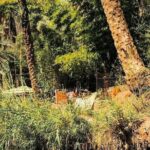
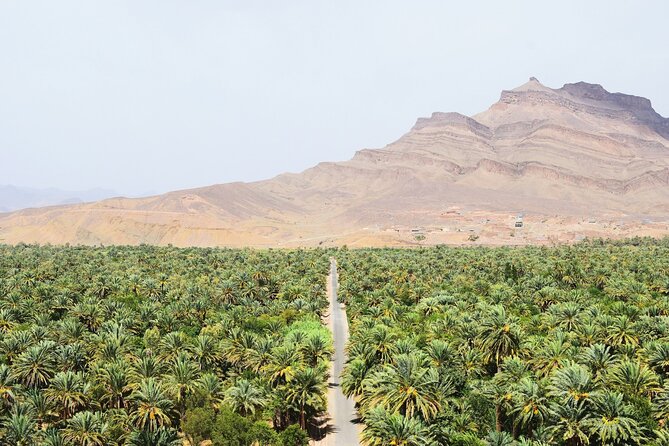
Now you slow down in a different way. You head toward Zagora, crossing the Drâa Valley and its palm groves, which gives you a more gradual, lived-in feeling than the mountain day before. This part of the route is ideal for anyone who wants to see Morocco beyond the headline cities.
In the afternoon, you visit the Koranic library of Tamgrout and then explore the dunes of Tinfou. Tamgrout’s library stop gives you a quieter cultural angle, less performance and more learning about how knowledge is carried through place and community. Then Tinfou is your nature reset. It’s the kind of stop where you can step away from the car and just watch the sand shift under light.
The evening is where the desert start becomes real. You’ll have dinner and sleep in a nomadic tent near Zagora. This isn’t just “sleeping somewhere.” It’s your first proper taste of desert life, with a different pace, different sounds, and a clear break from hotel routine.
For your planning, think about comfort and patience. Desert evenings often come with less predictability than city nights—your schedule might run a little fluid. That’s not a problem if you arrive expecting it.
Also remember: lunch isn’t included in this trip. Since today includes stops and travel, having a snack plan makes the day smoother.
Day 4: Merzouga and Erg Chebbi at sunset, camel ride and a bivouac night
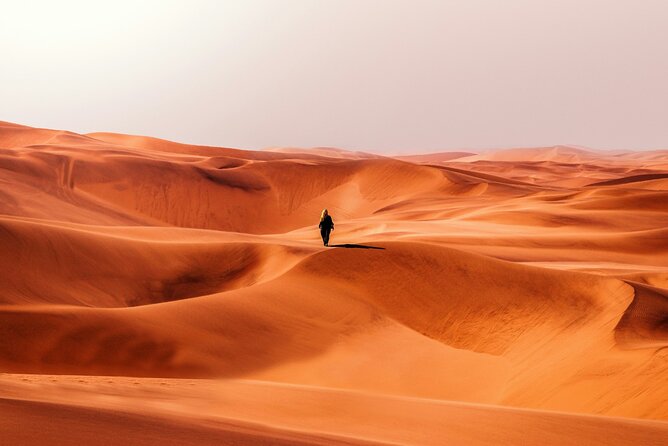
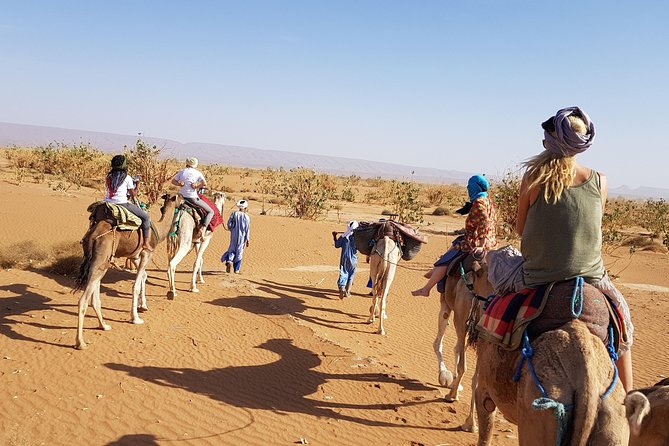
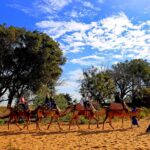
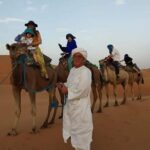
Day 4 is the dramatic turn you came for. You travel to Merzouga via Alnif and Rissani, then arrive and move straight into desert mode. The afternoon includes a camel ride to watch sunset over the Erg Chebbi dunes—the classic move, but still worth it because it’s timed to that daily change in the light.
Camel riding can feel intimidating at first, but with a good guide-driver setup, it’s usually more about teamwork and timing than athletic skill. The trip description indicates you’ll want moderate physical fitness, which is a fair call given the walking involved and the desert surfaces.
Once you’re settled, you’ll have dinner and sleep in a bivouac at the foot of the dunes. This is where the “road trip” portion turns into “Sahara night” memory. You’re not just driving past scenery—you’re living that place for a full evening.
What I like here, from a practical standpoint: you get both the sunset experience and the overnight. Lots of desert trips do sunset and rush away. Staying gives you time for the dunes to look different after the light drops.
Your only consideration is weather. This experience requires good weather, and desert plans depend on it. If conditions aren’t right, your day might shift. That’s not a marketing line—it’s just how desert travel works.
Day 5: Back through the Draa Valley to Ouarzazate, plus film-studio optional time
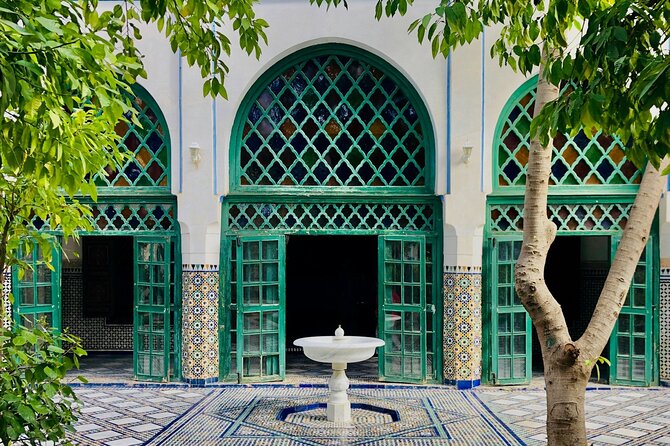
Day 5 turns the dial toward choice. You head back to Ouarzazate passing through the Draa Valley, and then you get time in the afternoon to explore further or choose a film-studios visit.
This flexibility is useful because not everyone wants the same kind of “see more” day. If you enjoy wandering through towns and taking photos, you’ll appreciate having free time. If movies and set locations are your thing, this is your chance to go that direction.
Even if you don’t pick a special activity, Ouarzazate is a great base for slowing down. It’s a place where you can rest your feet a bit after the desert night and still feel like you’re in Morocco, not in a theme-park version of it.
Dinner is included again this night, which keeps the day from turning into a constant decision-making marathon.
If you’re the type who hates feeling rushed, treat this day as your recovery day. Put on a slow itinerary mindset: short walks, quick refresh breaks, and don’t try to “make up” lost time.



Day 6: Taroudant’s little-Marrakech vibe and the return to Agadir
The final day keeps things grounded with Taroudant, often nicknamed little Marrakech. You leave Merzouga’s area and drive about four hours to Taroudant, then spend the afternoon exploring its ramparts, souks, and medina. It’s a great way to end because it’s cultural without being overly “checklist intense.”
The ramparts are a highlight if you like seeing cities from their edges rather than only through narrow streets. Then the souks bring back that Morocco texture you first saw in Marrakech—but with a different tempo. If Marrakech felt overwhelming at points, Taroudant can feel calmer while still giving you the markets and the feel of everyday life.
After that, you return to Agadir in about 1.5 hours. The day ends with free time to relax in Agadir, which is exactly what your legs will want.
A word of advice: on the last day, don’t schedule anything major right after the tour ends unless it’s close by. Your desert legs and city legs will both need recovery.
Price and value: what $1,103.38 buys you (and what it doesn’t)
At $1,103.38 per person for about six days, you’re paying for a lot more than a bus ticket. You get an air-conditioned vehicle, private transportation, and a guide-driver who handles the flow between stops. You also get city time in Marrakech and multiple key visits along the route, plus five included dinners—which is a big deal on a trip where the schedule fills up your afternoons.
So what’s the tradeoff? The trip doesn’t include lunch (x5). That can add cost, but more importantly it adds decision points. If you’re used to “decide later,” this can get annoying on a road day with several stop-and-go segments. I recommend planning for lunch budgeting from the start and carrying a few go-to snacks.
Is the price fair? For a private format that strings together Marrakech, Ouarzazate, Zagora, Merzouga/Erg Chebbi, and Taroudant, yes. You’re paying for convenience and for having someone who knows how to connect all these places without wasting time on guesswork.
What makes this tour feel reliable on the road
The standout pattern in feedback is confidence in the guide-driver. You’ll hear the same themes repeatedly: Ibrahim is described as gentle, generous, honest, and reliable, and people emphasize how comfortable they felt in his hands. That’s not a small thing. On a trip with long drives and overnight desert stays, comfort and trust reduce the mental load.
Communication also comes up a lot. Ibrahim is said to speak German, English, and French, which is a practical advantage if your French is limited or you’re traveling with different language needs in your group.
Punctuality matters too. Several mentions highlight that pickup and timings work smoothly, including airport pickup support in other contexts. Even if you aren’t arriving by air for this particular departure, it’s a good sign that the operation runs on time.
If you’re traveling as a group that values safety and structure—like a women’s group, families, or first-time Morocco visitors—this “in good hands” vibe is one of the best parts of the value package.
Who should book this, and who should consider another option
This tour fits best if you want a well-paced route that mixes big names and real desert nights. It’s especially good for people who:
- want a private experience rather than a large bus
- like cultural stops (souks, kasbahs, Tamgrout) paired with desert time
- value a guide-driver who can translate and explain as you go
It’s less ideal if you:
- hate long driving days (this is a full schedule)
- want lots of free unstructured time every day
- need every meal included (lunch is not part of the package)
One more thought: desert experiences can be weather-dependent. If good conditions aren’t possible, the trip may be adjusted or changed dates offered. That’s normal for the region, so build some flexibility into your travel plan.
Should you book this 6-day Agadir–Merzouga route?
If you want the “souks to Sahara” feeling without having to coordinate every step yourself, I think this is a strong choice. The combination of Aït Ben Haddou, kasbah visits in Ouarzazate, Tamgrout and Tinfou near Zagora, and then Erg Chebbi at sunset with a camel ride and bivouac night gives you variety that feels earned, not rushed.
I’d say book it if you’re okay with a packed road schedule and you plan for lunch on your own. If those two things sound like they’d stress you out, you might prefer a shorter desert trip or a route with fewer driving hours.
FAQ
How long is the Desert Trip Merzouga Erg Chebbi tour?
It lasts about 6 days.
Where does the tour start?
The start time is 8:00 am from the tour’s meeting point in Agadir.
Does the tour include pick-up?
Yes, pickup is offered.
What are the main places you visit during the 6 days?
You go between Agadir, Marrakech, Ouarzazate, Zagora, Merzouga, and then return via Taroudant to Agadir.
What’s included in the price?
Included are an air-conditioned vehicle, private transportation, a guide-driver, city visits, and dinner for 5 evenings.
What is not included?
Lunch is not included (lunch x5).
What is the cancellation policy?
Cancellation is free up to 24 hours in advance for a full refund. If you cancel less than 24 hours before the start time, the paid amount is not refunded.