REVIEW · AGADIR
Agadir Crocoparc: Ticket and Transfer
Book on GetYourGuide →Operated by Agadir Guided Experience · Bookable on GetYourGuide
Crocodiles, but make it easy. I love the chance to see 300+ Nile crocodiles in a controlled setting, and I also love that the park turns that animal focus into a full walk through rare plant gardens. One thing to consider: the included time is about 2 hours, and the park feels like a place where you could easily lose track of time if you like slow wandering.
I really like how the experience is set up as a simple round trip: hotel pickup, ticket and entry support, then a return transfer back to Agadir. If you want a bigger day, you’ll probably want to plan extra time for meals or lingering after your guided-free time ends.
In This Review
- Key Things That Make Agadir Crocoparc Worth Your Time
- Why Crocoparc Is an Easy Win From Agadir
- Getting There: Hotel Pickup and a Smooth Return Transfer
- Entering Through the Crocodile Head: How the Park Gets You Oriented
- Your Two Hours: Crocodiles, Then the Gardens
- A smart order: crocodiles first, gardens second
- Watching Nile crocodiles like a pro (without getting nervous)
- The Blue Garden: Rare Succulents and a Bold Color Theme
- The Aquatic Garden: Water Lilies, Victoria, and Nile Papyrus
- The Tropical Area: Belombra Trunks and Strange Flower Shapes
- Comfort, Navigation, and What “Easy to See” Really Means
- Price and Value: What $45 Gets You
- Who This Fits Best (And Who Might Want More Time)
- Should You Book Agadir Crocoparc: Ticket and Transfer?
- FAQ
- How long do I spend inside Agadir Crocoparc?
- What animals can I see at Crocoparc?
- What gardens are included in the visit?
- What’s included in the ticket price?
- How much does the ticket cost?
- What languages are available?
- Is there a cancellation option?
- Is there an option to pay later?
Key Things That Make Agadir Crocoparc Worth Your Time

- 300+ Nile crocodiles in a safe, walk-through layout so you can observe rather than just look from afar
- Rare and endangered plants spread across themed garden zones
- A design that feels like you’re walking inside a forest, with paths and walkways that keep sightlines open
- Comfortable hotel-to-park transfers that cut the hassle of figuring out logistics
- About 2 hours of free time, enough for the main highlights without feeling rushed
Why Crocoparc Is an Easy Win From Agadir
Agadir Crocoparc is a simple idea executed well: you get a round-trip transfer, then you spend your time at the park with the freedom to move at your own pace. The main attraction is the crocodiles, but the real bonus is how the gardens make the visit feel like more than just a stop-and-point photo session.
I like that you’re not stuck with a strict schedule inside. You can slow down where you’re curious. If you’re a first-timer with crocodiles, you’ll appreciate how the layout encourages clear viewing from safe distances.
The one possible catch is timing. Two hours is the included window, and some areas take longer to enjoy at a relaxed pace. If you tend to linger, plan to arrive ready to wander, and don’t be surprised if you want more time after your slot.
A few more Agadir tours and experiences worth a look



Getting There: Hotel Pickup and a Smooth Return Transfer
This is the part that makes the whole experience feel low-stress. You’ll be picked up from your hotel or accommodation in Agadir and transferred to Crocoparc, then you’ll get a comfortable return transfer back.
That matters more than it sounds, because it keeps your day from turning into a logistics puzzle. No hunting for directions, no worrying about transport timing, and no scrambling for tickets at the last minute.
You can also count on clear communication once you’re there. The park experience is available in Arabic, English, and French, which helps if you want to ask staff questions about what you’re seeing.
If you’re traveling with limited time, this transfer model is a big value play: you spend your energy on the park, not the ride planning.
Entering Through the Crocodile Head: How the Park Gets You Oriented

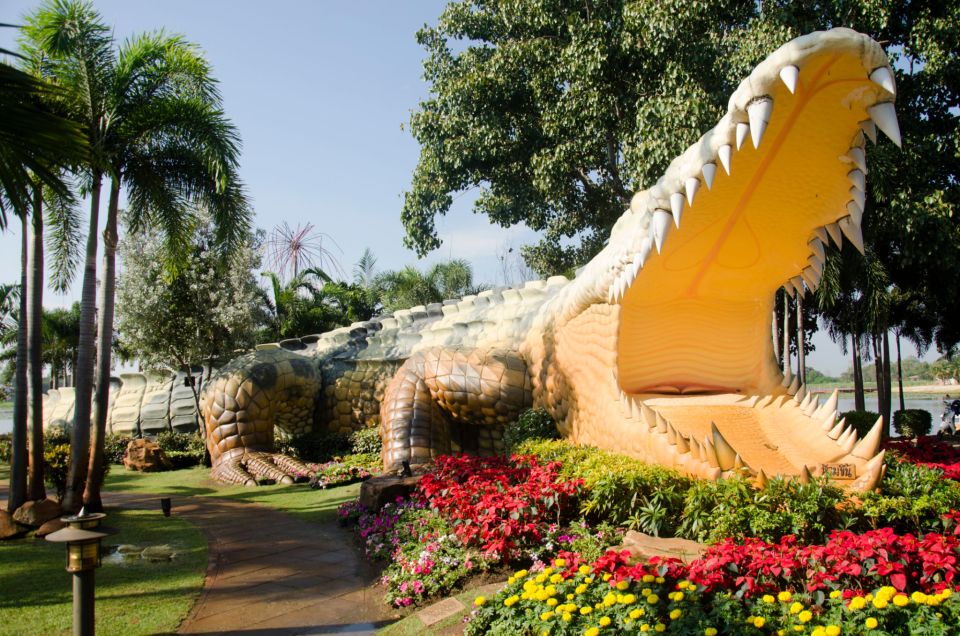
The experience starts right at the entrance, where you pass through a gigantic crocodile head. It’s not just a gimmick. It gives you an immediate sense of what the site is about and what to expect as you move deeper in.
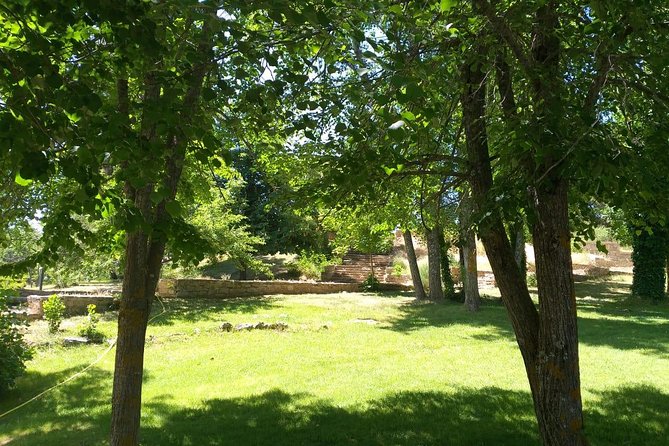
From there, the park’s design does a clever job of making your route feel like a walk-through “forest” setting. The paths and walkways aren’t random. They guide you from one viewing area to another, so you can keep seeing crocodiles without constantly backtracking.
This is also where the staff support helps. You can get help with entry so you don’t waste the first part of your time standing around. If you like to get oriented fast, you’ll appreciate that momentum right away.
Your Two Hours: Crocodiles, Then the Gardens
Your included time inside is about 2 hours of free time. That means you control your pace. Some people will focus mainly on crocodiles. Others will spread their time across the themed gardens and treat the crocodiles as the main “animal highlights” between plant zones.
Here’s a practical way to think about how to structure your two hours:
A smart order: crocodiles first, gardens second
Start by aiming for the crocodile areas early. Crocodiles can be very active or very relaxed depending on the moment, and early on you’ll give yourself the best odds of catching natural behavior like sunbathing or jaw-focused feeding moments.
Then shift into the gardens. This is where the park’s character really shows.
A few more Agadir tours and experiences worth a look






Watching Nile crocodiles like a pro (without getting nervous)
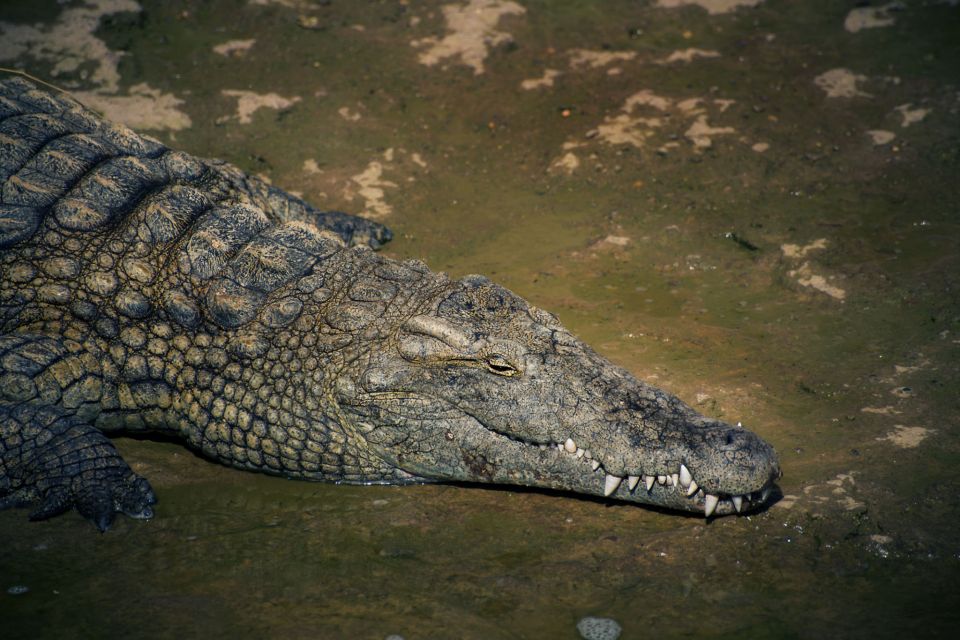
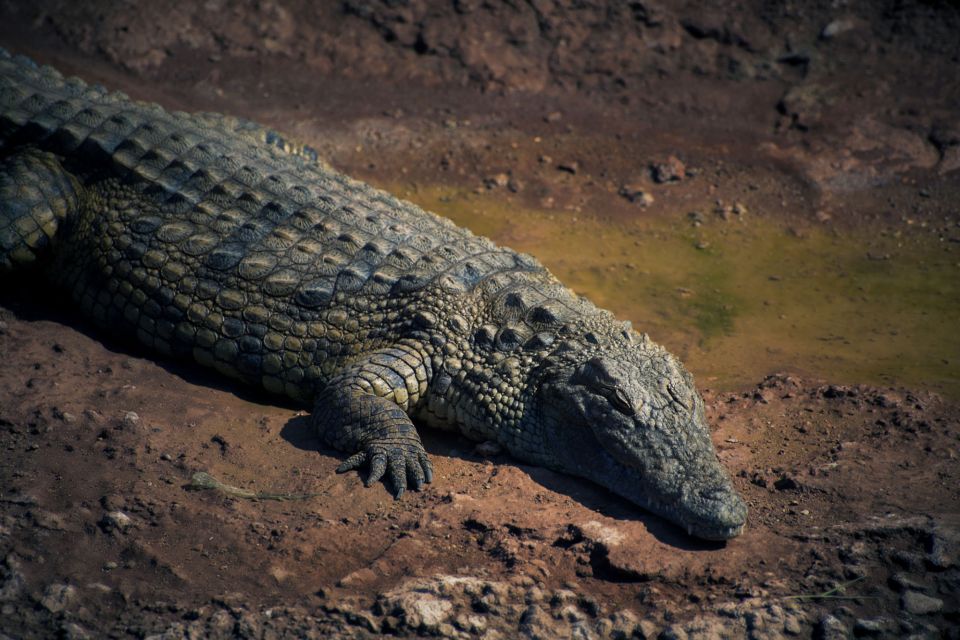
You’ll be observing Nile crocodiles (crocodylus niloticus) going about daily life in full safety. The park is set up so you can watch things you’d never get to see at a distance: crocodiles lazing in the sun, bathing, and moments where their jaws show off during meals.
A small tip: don’t just look at the largest crocodiles. Pay attention to the movement patterns. Often, you’ll see how they reposition in water, how they rest near walkways, and how they respond when people shift their position nearby. Even if you’re not an animal expert, you’ll pick up on the rhythm of their day.
And yes, seeing this many Nile crocodiles can feel surprising the first time. If it’s your first crocodile encounter, the controlled layout helps you enjoy the moment instead of feeling overwhelmed.
The Blue Garden: Rare Succulents and a Bold Color Theme
One of the most memorable garden zones is the blue garden, built around blue succulent plants. If you like plants as much as animals, this section is a treat because it’s visually focused and feels like a different world from the rest of the paths.
You can expect rare species like Aloe suzannae, described as endangered. That alone is a good reason to slow down here, because you’re not just seeing common landscaping plants. You’re seeing something much rarer.
There’s also a design element: original hard masonry furniture mixed with older 50-year-old ficus trees and their aerial root look. It’s the kind of place where you’ll find yourself stopping for photos, but it also works as a calm break after watching reptile activity.
The Aquatic Garden: Water Lilies, Victoria, and Nile Papyrus
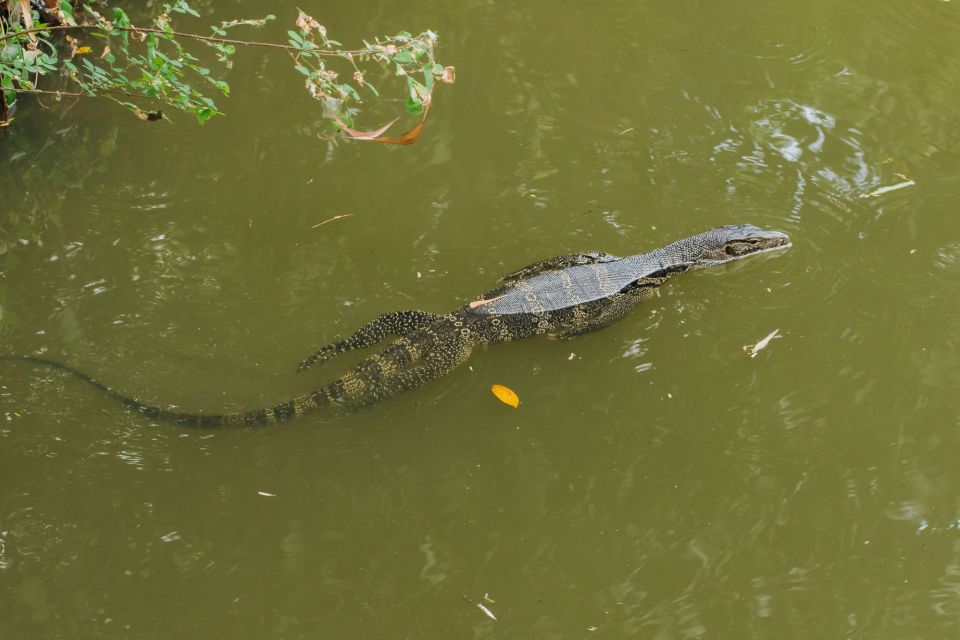
The aquatic garden is where the park leans into water plants and a more humid-feeling atmosphere. This is also a zone that pairs nicely with crocodiles, because water is part of their world and part of what you’re here to understand.
Look for water lilies, including the famous Victoria (Victoria cruziana), plus a forest of Nile papyrus. Together, these plant collections make a strong visual statement. Even if you don’t know the names, you’ll recognize the theme instantly: this is a living ecosystem-style display.
If you’re trying to beat time pressure inside your two hours, aquatic areas are still worth a visit because they add variety. A park that only has one kind of environment can blur together. Here, the water plant zone changes the mood.
The Tropical Area: Belombra Trunks and Strange Flower Shapes

In the tropical area, you’ll find a set of plant highlights that feel dramatic and unusual. Among them are two magnificent Belombra trunks (Phytolacca dioica), plus giant bamboo, palms, and bromeliads with their strange, sculptural flowers.
This zone is especially good if you’re the type who enjoys botanical details. You’ll likely notice how different plant textures stand next to each other, from bamboo’s vertical structure to the palm shapes and the bromeliads’ compact form.
It’s also a good place to cool off mentally. After watching crocodiles, it’s easy to “reset” your senses among plants that are more about form and stillness than movement.
Comfort, Navigation, and What “Easy to See” Really Means
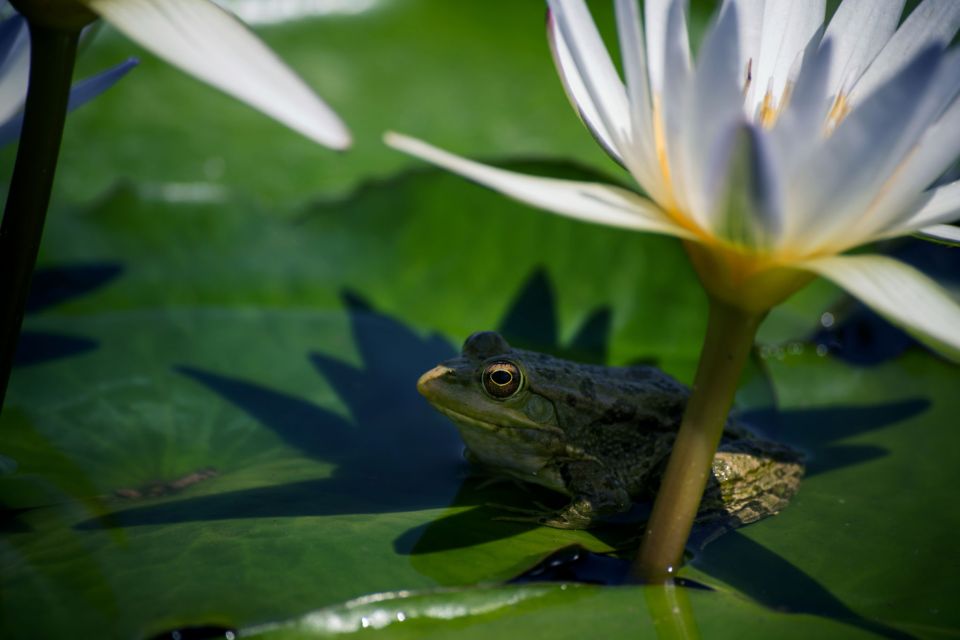
One of the best parts of this park setup is that the animals are designed to be seen without heroic effort. The paths and walkways create convenient viewing opportunities, and the park is easy to navigate so you’re not spending your limited time lost.
You’ll still want to be mindful of your own pace. If you’re traveling with kids, or if you like to move slowly, you may want to build your route around the zones rather than trying to cover everything in one sprint.
If you want to take photos, the layout generally gives you enough opportunities to find angles that show crocodiles and keep a safe distance. Just remember that the park’s goal is observation in a controlled environment, so don’t expect the kind of close-up access that you’d see with animal handling experiences.
Price and Value: What $45 Gets You
At about $45 per person, you’re paying for three big things: entrance, hotel pickup and drop-off, and a comfortable return transfer. That combination is where the value usually lands.
If you tried to do it independently, you’d likely spend time coordinating transport and dealing with ticket timing. Here, you’re removing those “small friction” costs. Even if you’re comfortable taking local transit, the convenience still matters in a busy travel day.
Also, the experience time is built in: roughly 2 hours inside the park. That’s enough for the core crocodile viewing and at least the main plant sections without turning it into a full day project.
My advice for judging value is simple: if you want a stress-free half-day activity that feels both animal-forward and garden-forward, this price makes sense.
Who This Fits Best (And Who Might Want More Time)
This tour fits best if you want animals and plants in one outing, with minimal planning. It’s also a strong match if it’s your first time seeing crocodiles. The park layout is built for safe observation, so you can focus on the experience instead of anxiety.
You’ll probably love it if:
- you like nature, but you also want clear “highlights”
- you want a short, structured day without feeling boxed in
- you enjoy plant variety and themed garden zones
You might want more than this if:
- you have more time for slow walking and want longer than the included 2 hours
- you’re an avid botanist who wants deeper time in every garden corner
A helpful way to plan: arrive ready to spend your first part of the visit watching crocodiles, then use the garden zones as your paced break.
Should You Book Agadir Crocoparc: Ticket and Transfer?
Book it if you want a straightforward, low-hassle trip to a park that’s genuinely built around two things people remember: seeing a lot of Nile crocodiles safely and walking through garden areas with rare plants.
I’d pass or reconsider only if you know you need more than two hours to enjoy a zoo-style visit. This is a neat, focused experience, not a full-day wandering marathon.
If you’re staying in Agadir and want an outing that feels easy to start and easy to end, Crocoparc is a smart use of time.
FAQ
How long do I spend inside Agadir Crocoparc?
You get about 2 hours of free time in the park.
What animals can I see at Crocoparc?
The park is home to over 300 Nile crocodiles (crocodylus niloticus).
What gardens are included in the visit?
You can explore multiple garden areas, including a blue garden with blue succulents, an aquatic garden with water lilies and Nile papyrus, and a tropical area with plants such as Belombra trunks, bamboo, palms, and bromeliads.
What’s included in the ticket price?
The package includes hotel pick-up and drop-off, entrance fees, a comfortable return transfer, and about 2 hours free time in the park.
How much does the ticket cost?
The price is $45 per person.
What languages are available?
The experience is available in Arabic, English, and French.
Is there a cancellation option?
Yes. You can cancel up to 24 hours in advance for a full refund.
Is there an option to pay later?
Yes. You can reserve & pay later, meaning you book your spot and pay nothing today.