REVIEW · ERRACHIDIA
3 days trip From Fes with overnight in heated tent &sandsurf
Book on GetYourGuide →Operated by Into Authentic Morocco · Bookable on GetYourGuide
Desert sleep meets real Morocco speed. You change fast from Atlas cedar forests to the Erg Chebbi dunes, with the payoff of a heated private luxury tent right in the sands. I also like how the route builds in photo stops, including a cedar-forest break for Barbary apes. One watch-out: you’ll spend a lot of time on the road, so this is best if you’re good with long driving days.
The middle day focuses on water, rock, and villages: you’ll walk by the Todgha River, then take in the drama of the Todgha Canyons and surrounding kasbah scenery. By the final day, the trip widens out again around Ouarzazate, the Atlas Studios area, and the UNESCO Ait Ben Haddou kasbah.
This tour works especially well for people who want Morocco’s big-name regions without switching hotels every night. It also helps that you’re guided in English, with an air-conditioned minivan and a professional driver doing the heavy lifting.
In This Review
- Key points I’d plan around
- Why this 3-day route from Fes feels efficient (and not rushed)
- Day 1: cedar forest apes, Ziz palms, Erfoud dates, and Erg Chebbi sunset
- Ifran and Azrou-style mountain breaks
- Barbary apes in the cedar forest
- Midelt lunch stop and the Ziz River palm corridor
- Erfoud for dates, then Merzouga for dunes
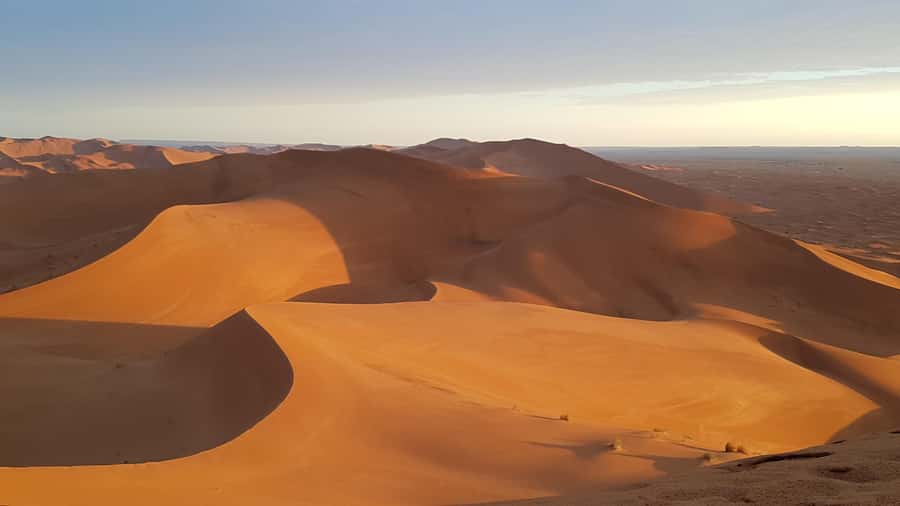
- Camel caravan timing: sunset plus that dune-to-sky color change
- Desert camp comfort: heated tent and private ensuite bathroom
- Day 2: sunrise camel moments, Tinghir, Todgha River walks, and canyon drama
- Tinghir oasis walk along the Todgha River
- Berber villages: culture at human scale
- Todgha Canyons: narrow gorges and towering cliffs
- Dades Valley or Ouarzazate night: one more kasbah-road taste
- Day 3: Ouarzazate sites, Fint Oasis, Ait Ben Haddou UNESCO, then Tizi-n-Tichka
- Ouarzazate: Kasbah Taourirt and Atlas Studios area
- Atlas Studios adds context if you like film history
- Fint Oasis for a quieter reset
- Lunch at Ait Ben Haddou, then UNESCO kasbah wandering
- High Atlas finish: the Tizi-n-Tichka Pass at about 7,500 feet
- Driving comfort, group size, and what it means for your day
- Price and value: what $261 buys you (and what you should plan to pay)
- The one thing to think about: camel ride ethics and gear fit
- Who this tour suits best
- Should you book this 3-day Fes-to-desert trip?
- FAQ
- How long is the trip from Fes?
- What’s included in the price?
- Are lunches included?
- Where do we sleep during the tour?
- Is there an English guide?
- What are you supposed to bring?
- How do pickup and contact work?
- Is there free cancellation?
Key points I’d plan around
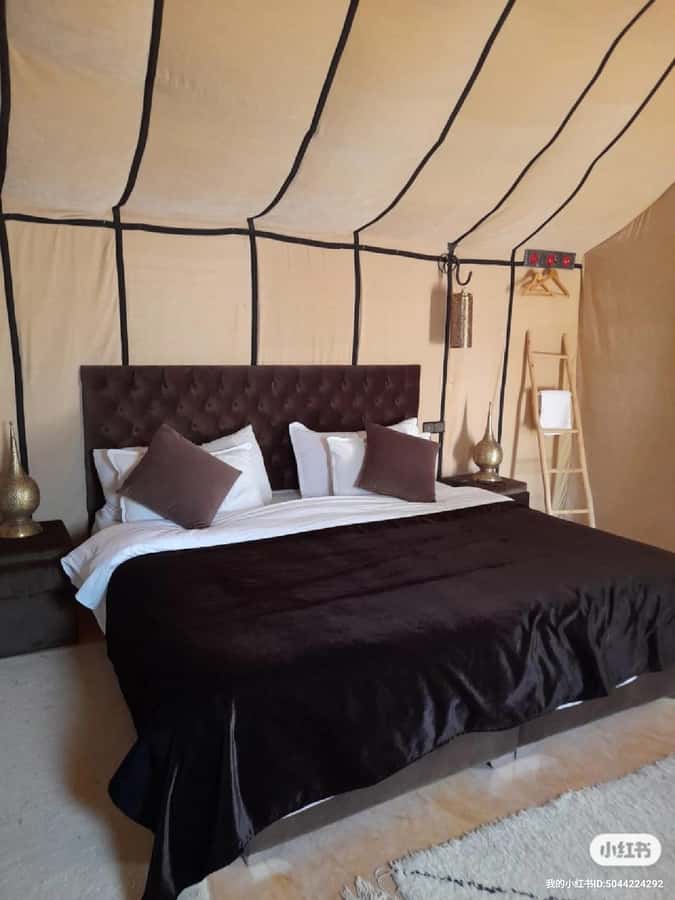
Heated private tent with a private ensuite bathroom
Camel ride for sunset at Erg Chebbi (and an early-morning desert start)
Cedar forest stop for Barbary apes plus classic Atlas-to-desert scenery
Todgha River walk and Todgha Canyons for dramatic geology
Ait Ben Haddou and High Atlas views via the Tizi-n-Tichka Pass
Why this 3-day route from Fes feels efficient (and not rushed)
This itinerary is basically a carefully paced “jump cut” through Morocco. You start in Fes, then the day turns your eyes toward the Middle Atlas (cedars, mountain towns, and that chance to spot Barbary apes). From there you roll into the Ziz River palms and the date-producing region, and finally you hit Merzouga for Erg Chebbi’s towering dunes.
The big value here is that you don’t just reach the Sahara. You also get context for how you arrived—oasis lines, palm groves, date fields, and fortified kasbah roads. If your goal is depth in three days (not just a single desert sunset), this trip structure supports that.
That said, the “efficiency” comes with hours in the van. The ride between regions is a big part of the experience, so I’d pick this only if you’re comfortable settling in for long stretches and you don’t need every minute to be a stop.
A few more Errachidia tours and experiences worth a look
Day 1: cedar forest apes, Ziz palms, Erfoud dates, and Erg Chebbi sunset
Your day begins with an early pickup from your accommodation in Fes. Then you head across the Saiss Plain, gradually trading city rhythm for greener Middle Atlas scenes.
Ifran and Azrou-style mountain breaks
Along the way, you pass through towns like Ifran (known for its European-style architecture) and Azrou. These are short, practical breaks—not theme-park stops—meant to help you stretch your legs and get your first real feel for how Morocco changes with altitude.
Barbary apes in the cedar forest
You’ll also stop in the cedar-forest area where Barbary apes often hang out. This is one of the most “real-world” moments on the trip because it’s not a staged photo set. It’s simply roadside-to-forest odds that you might spot them, and it’s the kind of stop that makes the first day feel lively.
Midelt lunch stop and the Ziz River palm corridor
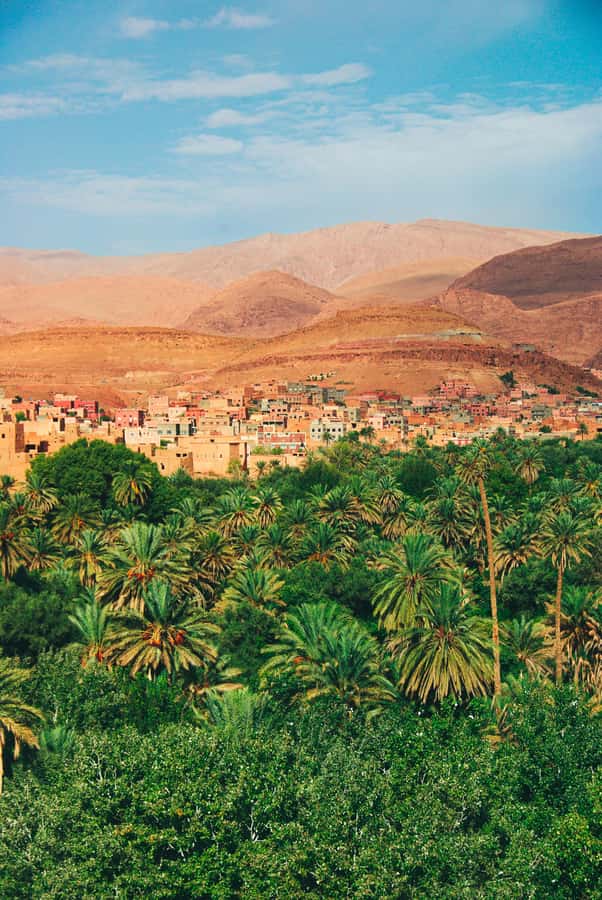
After a lunch break in Midelt, the route moves toward the Ziz River. This is where you start seeing the oasis effect: long lines of palm trees creating a ribbon of green against the broader dry regions. It’s visually striking, and it also helps you understand why the south of Morocco could support towns, villages, and trade routes.
Erfoud for dates, then Merzouga for dunes
Erfoud enters next as a date-production area. You get the sense that this is working geography, not just travel scenery. Then it’s on to Merzouga and Erg Chebbi—your first direct taste of the Sahara.
Camel caravan timing: sunset plus that dune-to-sky color change
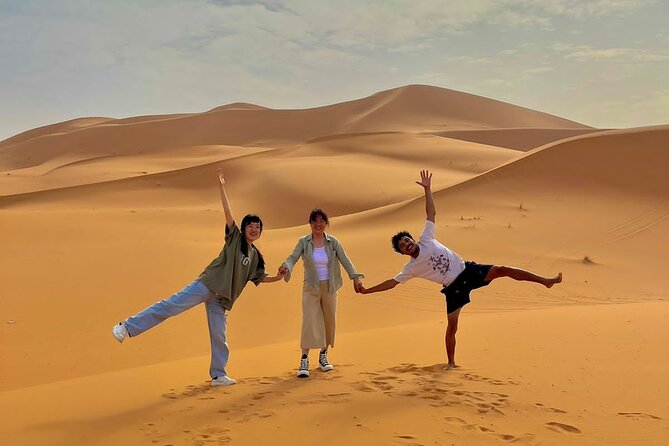
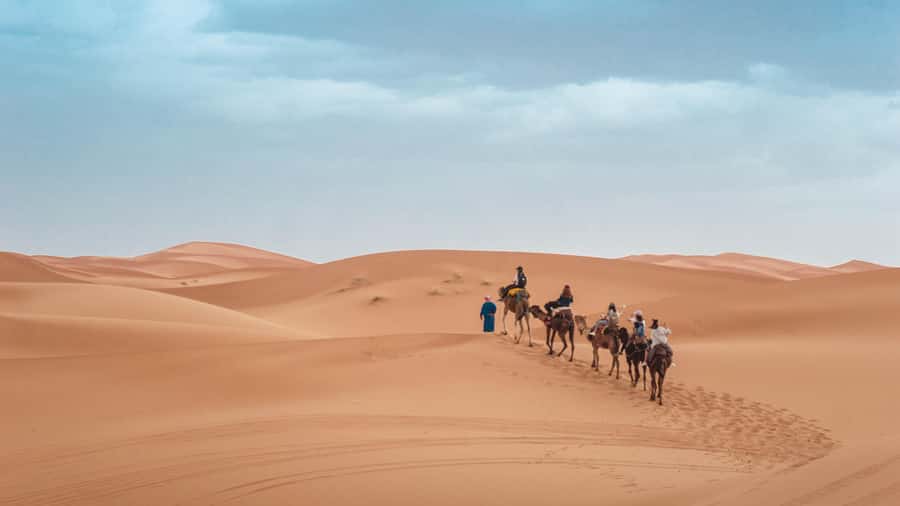
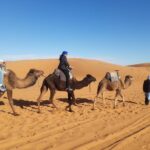
A camel caravan is waiting at Erg Chebbi. You ride out with sunset timing, watching the dunes change color as the light drops. This part matters because it’s not only a photo moment; it’s when the desert feels like a place, not just a backdrop.
Desert camp comfort: heated tent and private ensuite bathroom
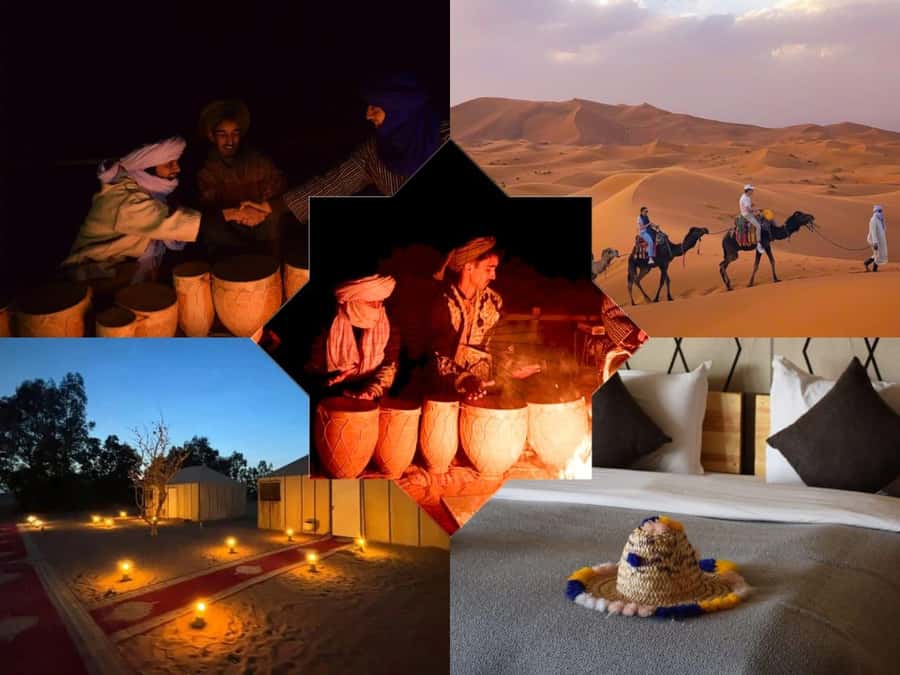
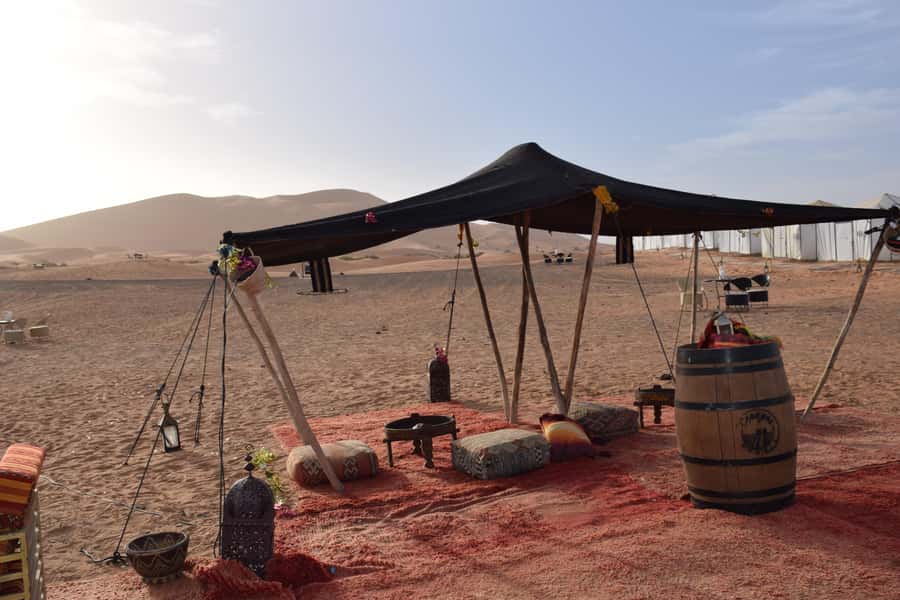
Then you arrive at the desert camp. Meals are taken care of: you’ll have dinner and spend the night in the camp. Based on what people highlight, the tent setup is a major selling point—heated, with hot-water comfort, and each guest gets a private ensuite bathroom.
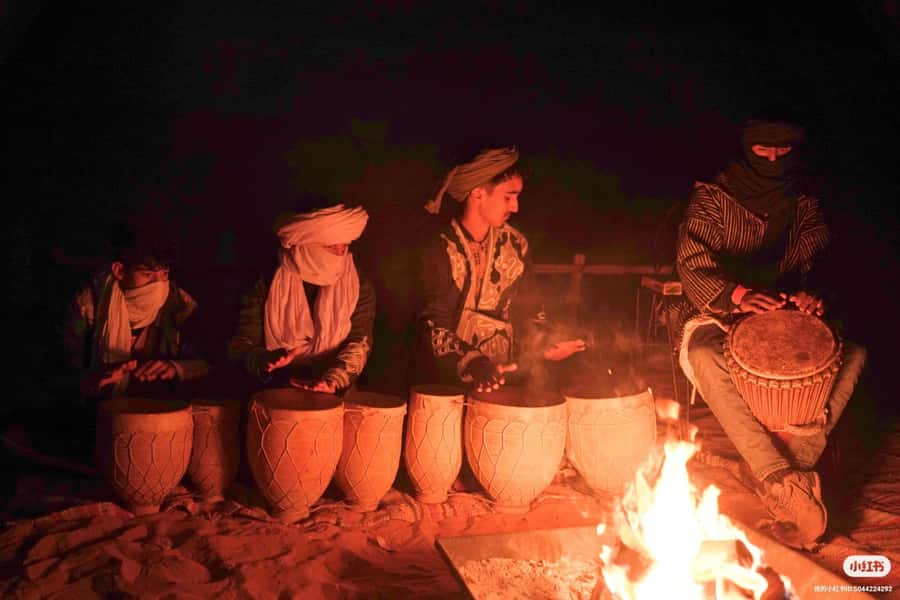
Dinner comes with traditional music from local musicians, which adds a social energy to an otherwise quiet setting. If you like your desert night to feel warm and handled, this arrangement does that.
Day 2: sunrise camel moments, Tinghir, Todgha River walks, and canyon drama
Day 2 starts early. You’ll get a chance to experience the desert at sunrise from the back of a camel, then meet your guide in Merzouga to continue the exploration.
Tinghir oasis walk along the Todgha River
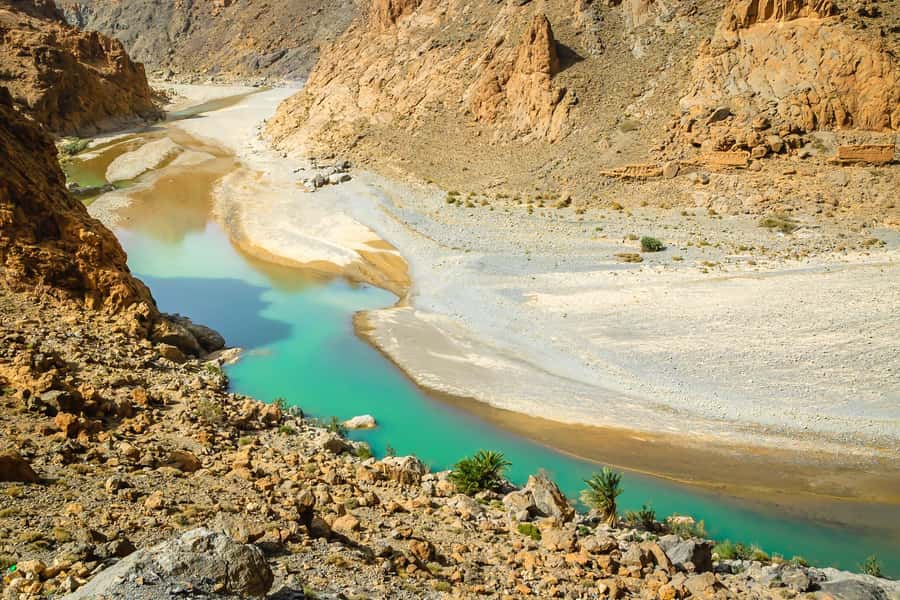
You travel toward Tinghir, where you’ll walk along the Todgha River banks. This is a nice contrast after Erg Chebbi’s sand—greener tones, water movement, and rock walls close by. The Todgha River area is also where the trip shifts from “big wilderness” to “lived-in geography.”
Berber villages: culture at human scale
There are visits in the Berber village areas along the route. The best way to approach these stops is with patience and simple curiosity—ask questions, watch rhythms, and remember you’re stepping into everyday life, not an open-air museum.
Todgha Canyons: narrow gorges and towering cliffs
Next come the Todgha Canyons. These are the kind of formations you feel instantly: narrow gorges, high rock faces, and that sense that the canyon is shaping how people move and farm nearby. Lunch happens before you keep going, so you’re not scrambling for energy before the longer driving blocks.
Dades Valley or Ouarzazate night: one more kasbah-road taste
The day continues along the Kasbah Road, with stops at fortified kasbahs en route. You finish at accommodation in either the Dades Valley or Ouarzazate area, then enjoy dinner.
Day 3: Ouarzazate sites, Fint Oasis, Ait Ben Haddou UNESCO, then Tizi-n-Tichka
By the final day, the trip turns into a “Morocco on display” route—industry, film heritage, kasbah life, and big mountain road views.
Ouarzazate: Kasbah Taourirt and Atlas Studios area
You explore Ouarzazate, often called the gateway area to the Sahara. You’ll visit Kasbah Taourirt and then the Atlas Studios area. There’s also a small practical perk built in: some stops are set up so you can skip the ticket line, saving time in busy moments.
Atlas Studios adds context if you like film history
Even if you don’t chase movie trivia, this visit helps you understand why Ouarzazate became so central for filming. The region’s look—fortified shapes, desert edges, and dramatic rock—explains the pull.
Fint Oasis for a quieter reset
Then you make time for the Fint Oasis near Ouarzazate. This isn’t an all-day wandering stop—it’s more of a reset before the bigger kasbah and mountain finale.
Lunch at Ait Ben Haddou, then UNESCO kasbah wandering
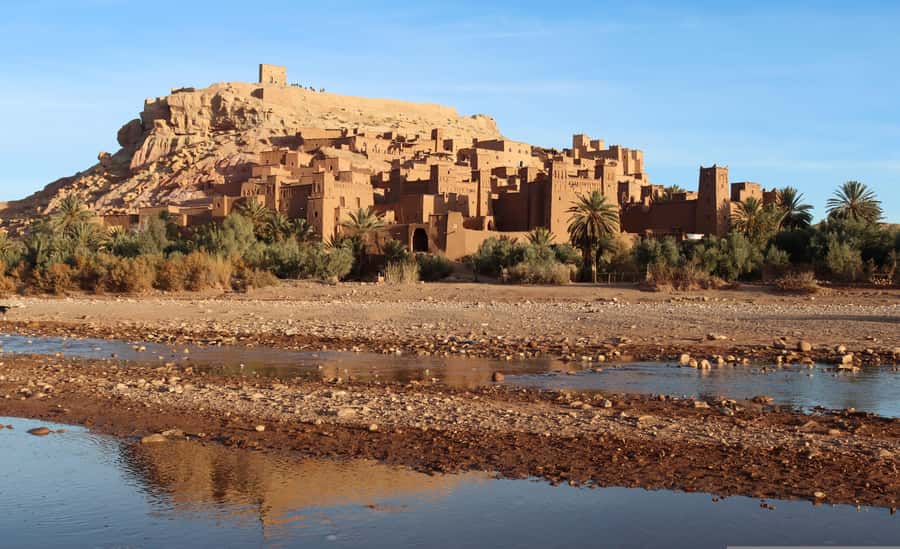
Next is lunch in Ait Ben Haddou, a UNESCO World Heritage site. You’ll wander through the fortified village and its kasbah lanes. People often connect the visuals here to famous movies like Gladiator, Babel, and Lawrence of Arabia, and the point is more than trivia: the place itself is built to feel timeless.
If you like historic architecture, this is where the whole trip theme clicks. You spent the previous days moving through oasis lines and desert roads; now you’re in a fortified settlement that looks designed for centuries of weather and storytelling.
High Atlas finish: the Tizi-n-Tichka Pass at about 7,500 feet
After Ait Ben Haddou, you head into the High Atlas and cross the Tizi-n-Tichka Pass. It’s described as the highest mountain road in North Africa, climbing to roughly 7,500 feet above sea level. The driving here gives you that classic “slow rise” feeling—villages, waterfalls (where present on the route), and big viewpoint returns as you gain altitude.
Driving comfort, group size, and what it means for your day
Most of the trip is road travel, but it’s not the painful kind thanks to the air-conditioned minivan and a professional driver. It also helps that the group is usually small. In some runs, people were in groups of about six including themselves, which makes it easier to hear the guide and keep the pace sensible.
You may meet drivers and guides with strong English skills—names that have shown up include Mohammed for day 1 in some cases, and Hamid for days 2 and 3. Said and Hachim have also appeared as drivers, and the common thread is safe, comfortable handling plus helpful on-the-road commentary.
Practical tip: if you get car-sick, plan for it. This trip covers a lot of distance, and you’re better off preparing than waiting until you’re already halfway down the highway.
Price and value: what $261 buys you (and what you should plan to pay)
At $261 per person for a 3-day trip, you’re paying for a bundled package of transport, guiding, and key paid experiences. What’s included is not just a hotel bed:
- Camel ride(s) for the desert moments
- Air-conditioned minivan with a professional driver
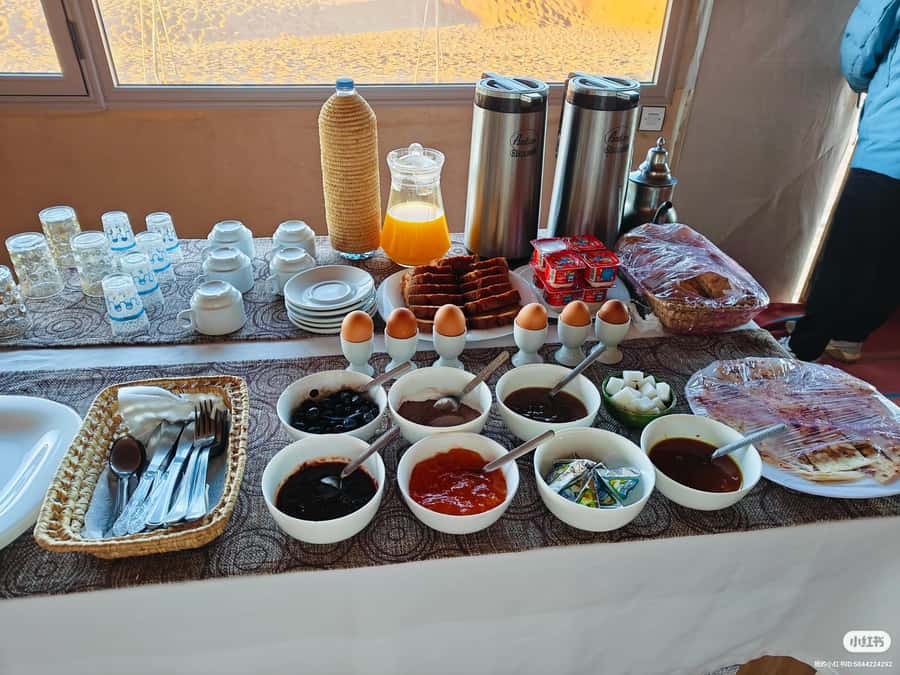
- Dinner (2 nights) and breakfast (2 mornings)
- Guided sightseeing across the route, in English
- Camel and desert camp time built into the schedule
What’s not included: lunches and drinks. So when you budget, factor in lunch stops and any beverages you want with meals. If you’re a person who prefers snacks throughout long drives, add that buffer too.
Compared to a DIY version where you’d separately arrange desert transport, camel time, and camp lodging, this price often looks fair. You’re paying to avoid the coordination headache while still getting a multi-region itinerary.
The one thing to think about: camel ride ethics and gear fit
Camel rides are a highlight here, especially the sunset slot in Erg Chebbi. But one important consideration came up: the way the camel harness or halter is fitted.
In one account, a rider found the restraints concerning—tight ropes inside the camel’s mouth—and wished they’d chosen a more ethical setup. I can’t verify what happens on every run, but I do think this is a legitimate “before you go” question for any camel-ride tour.
What you can do practically:
- Pay attention as the camel is prepared. If something looks off or causes distress, you can decide whether to proceed.
- Ask your guide or driver beforehand how they handle the tack and how they ensure comfort for the animals.
This won’t change your schedule overnight, but it helps you make a calmer choice that matches your comfort and values.
Who this tour suits best
This is a strong match if you want:
- A real change of scenery from Atlas to Sahara in just three days
- Comfortable desert sleeping, including heated camp conditions and private bathroom space
- English guidance plus multiple major sights (Todgha, Ait Ben Haddou, Ouarzazate)
- A route that mixes nature stops with fortified kasbah culture
It’s less ideal if:
- You hate long driving days and want only short hop-to-hop sightseeing
- You have a strict comfort or ethics line about camel rides and need a tour that clearly aligns with that
Should you book this 3-day Fes-to-desert trip?
If you want a well-paced “big regions” itinerary with a desert camp that doesn’t cut comfort corners, I’d say yes. The standout value is the combination of a heated private dune tent with ensuite bathroom plus a full set of Morocco classics: Barbary apes in the cedar zone, Todgha River and canyon geology, and Ait Ben Haddou.
Make your decision with one eye open: the road time is real, and camel rides are part of the package. If you’re okay with both, this tour is an efficient way to see far more than most single-night Sahara trips.
FAQ
How long is the trip from Fes?
It’s a 3-day trip.
What’s included in the price?
The included items are camel ride(s), air-conditioned minivan with a professional driver, breakfast (2) and dinner (2), and a live English tour guide.
Are lunches included?
No. Lunches are not included, and drinks are also not included.
Where do we sleep during the tour?
You sleep in a private luxury heated tent in the desert area, and on the other night you stay in either the Dades area or Ouarzazate (depending on the accommodation used).
Is there an English guide?
Yes. The live tour guide is available in English.
What are you supposed to bring?
You should bring your passport or ID card.
How do pickup and contact work?
Pickup is from your accommodation in Fes. You’re also asked to contact the operator on WhatsApp when you make a reservation.
Is there free cancellation?
Yes, you can cancel up to 24 hours in advance for a full refund.