REVIEW · AGADIR
Agadir/Taghazout: Paradise Valley Atlas Mountains Day Trip
Book on GetYourGuide →Operated by 3 S Tours · Bookable on GetYourGuide
Paradise Valley is Morocco’s day-trip sweet spot. You get natural pools and big Atlas Mountain scenery in one outing, plus a guided stop on the Honey Road of Immouzar. I especially like that you’re not just looking from afar—you have real free time to relax and swim—and I also enjoy the extra cultural stops, including the botanic garden and a visit tied to women’s argan work. One drawback to plan for: the day can include short shopping stops, so if you hate sales pitches, you may want to set expectations early.
This trip runs on comfort-first logistics: round-trip hotel pickup from Agadir or Taghazout, a local guide, and a full day that balances walks, swims, and viewpoints. Guides such as Oussama or Hassan are often described as energetic and good at switching languages, so you’ll get context instead of just scenery. The main consideration is timing—especially around pickup routes and your swimming window—so bring the right gear and keep your schedule flexible.
In This Review
- Key points before you go
- From Agadir or Taghazout to Paradise Valley: what the day really delivers
- What you’ll love most
- One thing to watch
- Hotel pickup from Agadir or Taghazout: smooth for most people, imperfect for some
- My practical advice
- Honey Road of Immouzar and Atlas Mountain views: more than just a scenic drive
- What the Honey Road teaches you (and why it’s worth your attention)
- Paradise Valley swimming pools: the main event, so plan for the details
- How the water time works
- Footing matters more than you think
- Botanic garden and women’s argan work: a cultural stop that isn’t just shopping
- What you might notice during these stops
- A heads-up on the sales component
- Extra stops you might see: small animals and a fossil-and-gifts shop
- Optional lunch and sand-dune photos: whether the upgrade is worth it
- My value check
- Price and value: is $21 a fair deal?
- What you’re not getting
- Languages and guide style: how communication shapes the day
- Who should book this trip from Agadir or Taghazout?
- Who might reconsider
- Should you book the Paradise Valley Atlas Mountains day trip?
- FAQ
- Where does the Paradise Valley day trip depart from?
- Does the price include the swimming part?
- What else do you visit besides Paradise Valley?
- Is lunch included?
- What languages are offered on the tour?
- What should I bring for the pool area?
- Can I get a refund if my plans change?
Key points before you go
- Paradise Valley swimming time with natural pools, plus spots for higher-energy moments from rocks
- Honey Road of Immouzar adds a food-and-craft flavor beyond the water
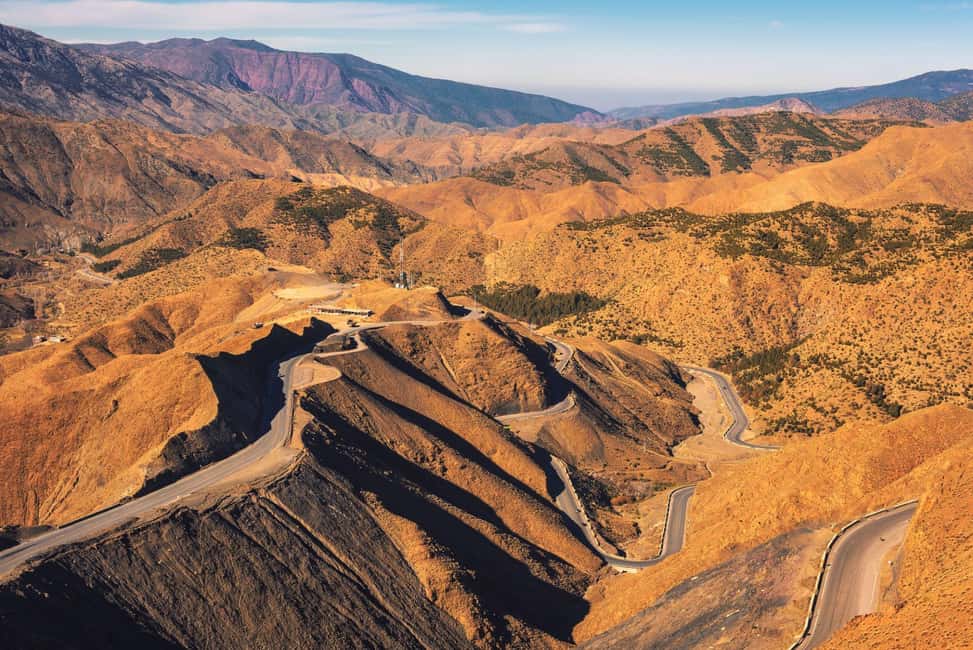
- Atlas Mountain viewpoints break up the drive with postcard-ready panoramas
- Botanic garden stop focuses on local plants, farming, and natural ingredients
- Women’s argan work visit is a meaningful way to see how local businesses operate
From Agadir or Taghazout to Paradise Valley: what the day really delivers
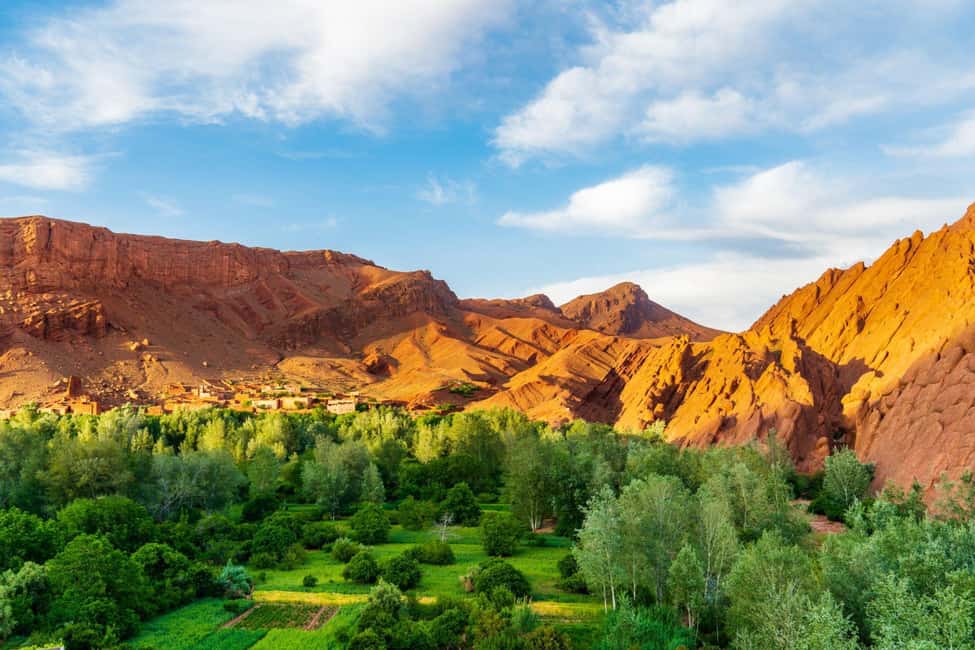
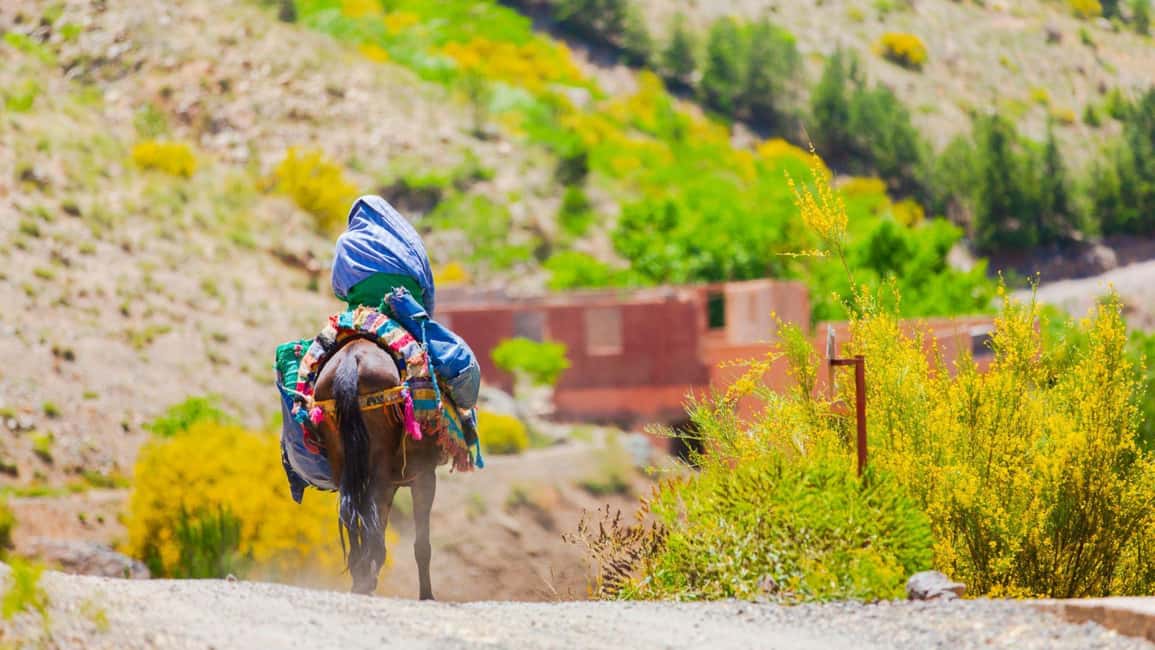
This day trip is built around one big idea: trade the beach-only version of Agadir for a quick taste of the Atlas Mountains and the green pocket underneath them. You start in a coastal city, then slowly move into the hills—think winding countryside roads, small streams you pass along the way, and villages that feel tucked between mountain gorges.
Once you reach Paradise Valley, the mood changes fast. The valley is all about water, shade, and the kind of mountain air that makes you want to slow down. Even if you’re not a “hike” person, the day gives you enough movement to earn the swim break without turning it into a fitness test.
A few more Agadir tours and experiences worth a look

What you’ll love most
- The natural pools: You’re not paying for a ticketed attraction—you’re using freshwater basins shaped by the valley itself.
- The mix of free time + guidance: Your guide keeps you oriented, but you also get genuine breathing room to relax and have a drink.
One thing to watch
The day is popular, so you may find yourself doing some “group-day” pacing—short waits, stops that run a bit long, and walking that feels more frequent than you’d expect for a “swim trip.”
Hotel pickup from Agadir or Taghazout: smooth for most people, imperfect for some
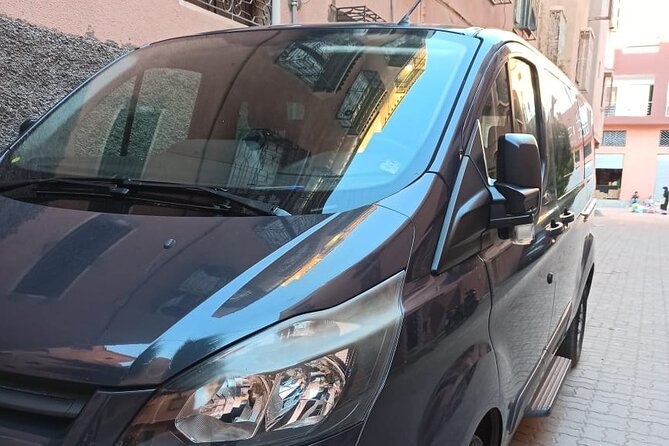
Pickup is included, and that’s a big value perk. It saves you the hassle of figuring out transport to Paradise Valley and back—one less stress on a day trip.
Still, pickup can vary depending on where you stay. Some people experienced a route that involved multiple hotel stops, with separate pick-ups for nearby properties. If your hotel has a lot of guests on tours, plan for a longer start than you’d get with one single vehicle straight from your door.
My practical advice
- Confirm the pickup window in advance and be ready a bit early.
- If you’re sensitive to timing, treat the morning as “flexible,” not “precise.”
- Bring water from the start—once you’re in the mountains, it’s a long day.



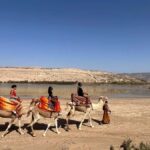
Honey Road of Immouzar and Atlas Mountain views: more than just a scenic drive
The Honey Road stop is one of those additions that makes the trip feel rounded instead of repetitive. You’re still in the same region, but the focus shifts from water to local production and traditional food culture.
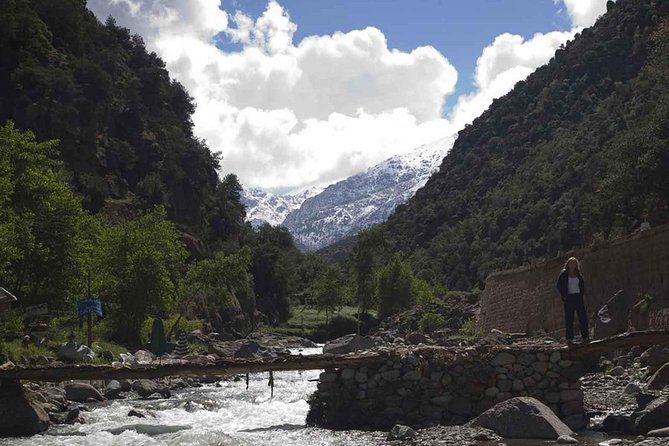
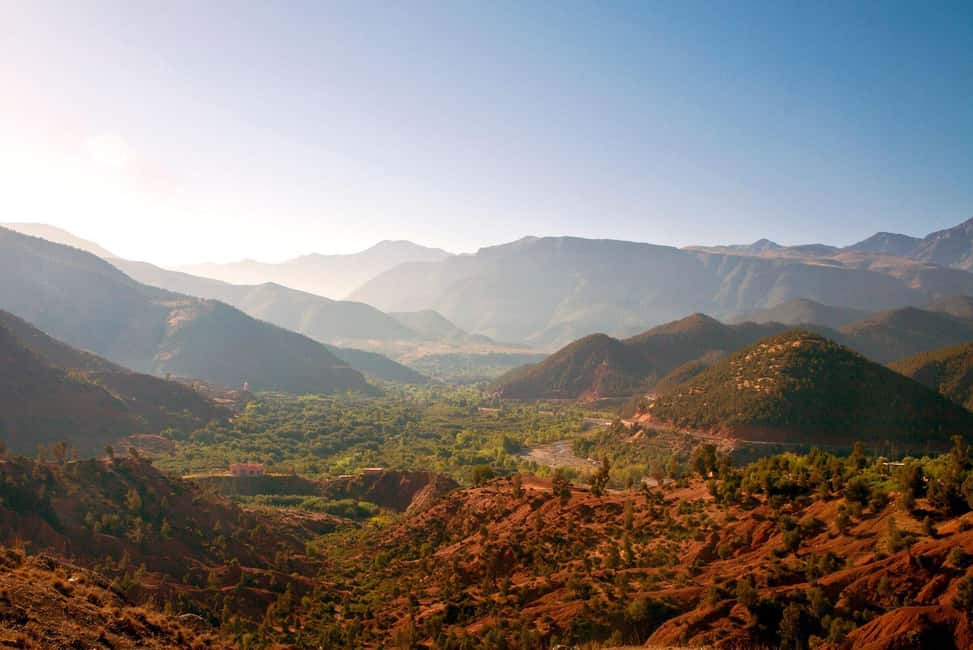
On this route, you get chances to take in panoramic views between the Atlas Mountains and the oasis areas around them. Those viewpoint breaks matter. They help you reset your expectations—this isn’t only about swimming; it’s also about understanding how the land supports life here.
What the Honey Road teaches you (and why it’s worth your attention)
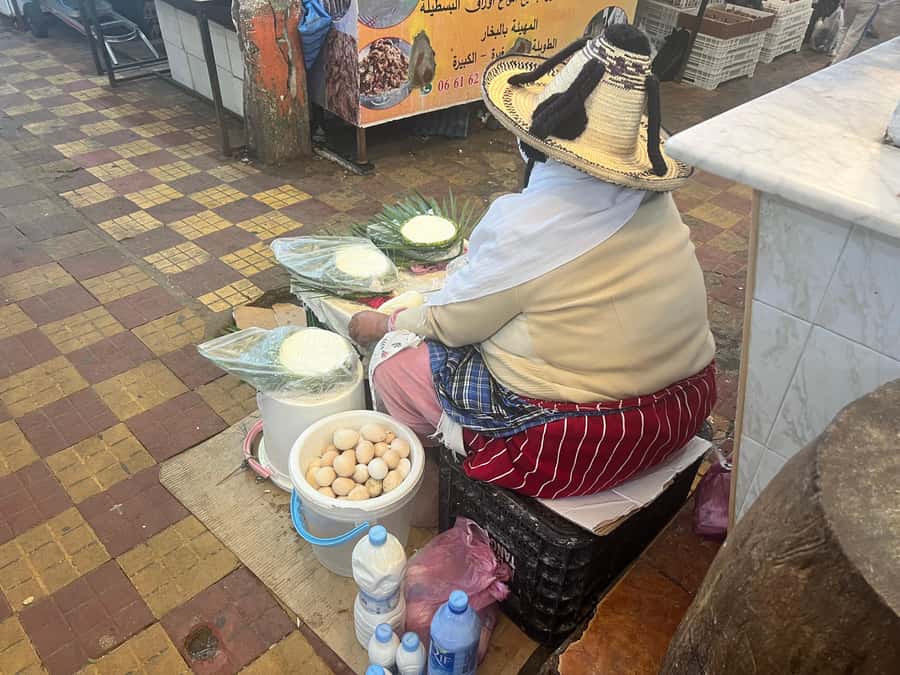
Honey and honey-related products aren’t random souvenirs. In this region, natural ingredients come from the seasons, local farming rhythms, and plant knowledge. You’ll often hear explanations tied to what grows where and how ingredients are used.
Paradise Valley swimming pools: the main event, so plan for the details
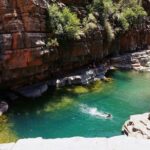
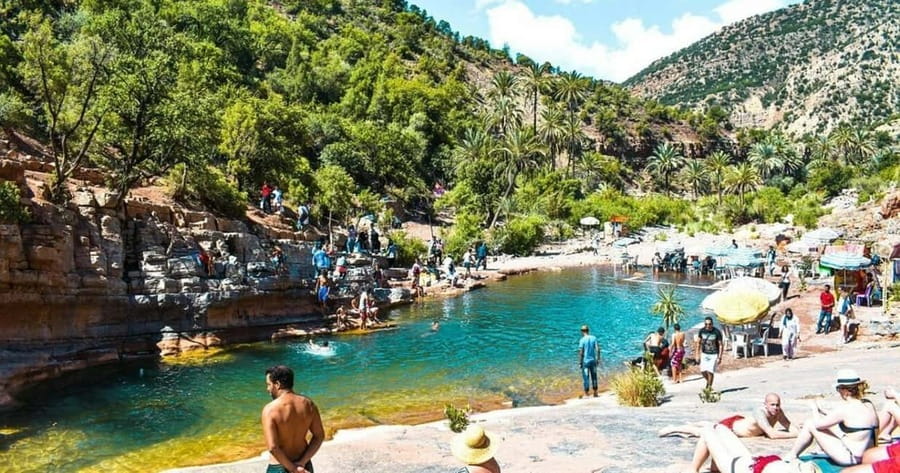
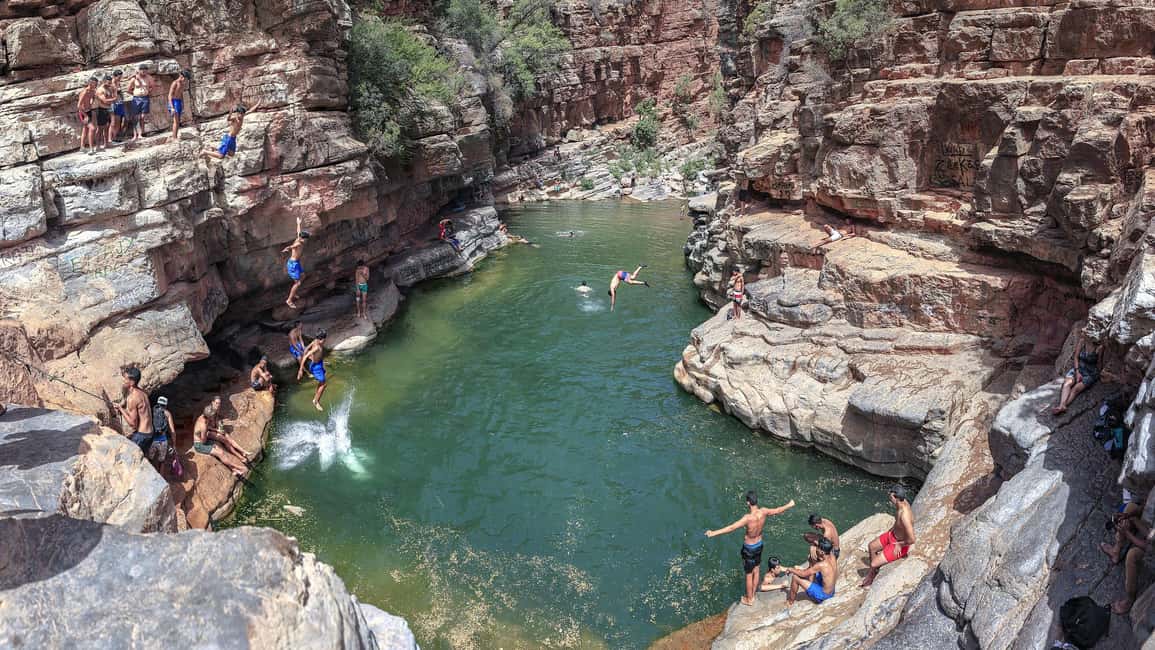
Paradise Valley is the reason most people book this day. The setting is palm-lined in parts, surrounded by mountain walls, with natural pools that feel like a reward after the drive.
You’ll usually have a short walk to reach the swimming area. Once you’re there, the tour generally gives you time to relax and actually swim. For a day trip, that’s the right balance: enough time in the water to feel satisfied, not so much that the day drags.
How the water time works
You’re not just dropped off and left alone. A guide helps you understand where to go, and you get free time to enjoy the valley at your own pace—swim, sit in the shade, take a break, then re-group.
If you’re feeling adventurous, you may encounter higher points around the pool areas where people enjoy jumping from rocks. It’s fun, but treat it like a serious footing-and-water situation, not a casual trick.
Footing matters more than you think
Here’s the practical truth: you’re moving in a watery environment. Slippery ground is a real risk. Bring gear that keeps you stable.
What I recommend you pack
- Water shoes or sneakers with grip (not smooth-soled footwear)
- A small towel or plan to let yourself dry off naturally
- Extra water, especially if it’s a warm day
- Cash saved for snacks or a meal you might want after swimming
One more tip: if you want photos, don’t wait until you’re soaking wet and rushing. Take a few quick shots early in the water time, when you’re still fresh.
Botanic garden and women’s argan work: a cultural stop that isn’t just shopping
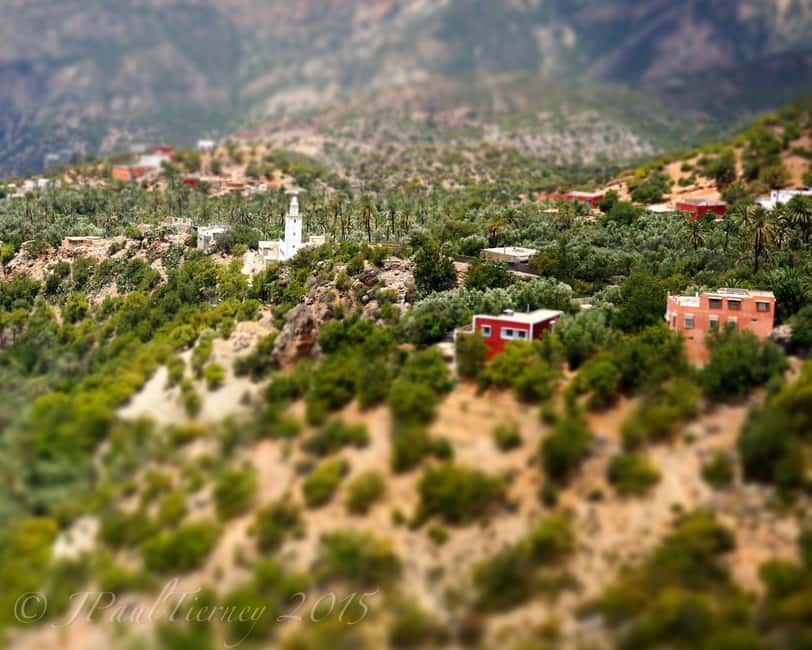
The botanic garden stop is the kind of add-on that can quietly become the highlight. It’s not just pretty plants—it’s also an explanation of local plant life, farming, and how people use natural ingredients. Many visitors leave with a better sense of what’s local here and why it matters.
You’ll also visit a local women’s argan corporation. This is where the day shifts from “look at nature” to “see how people turn nature into livelihoods.” It’s a real-world connection between what you’re seeing in the mountains and the products that come from the region.
What you might notice during these stops
- People are often proud of their work and quick to explain how ingredients are produced.
- You may get samples related to natural products, depending on the day and the flow of the visit.
- The vibe is generally educational, not only sales-focused—though, as with many tour days, you may still find opportunities to purchase items.
A heads-up on the sales component
Some people felt the day included extra stops that leaned into selling. If you’re not into that, set a mental boundary early: appreciate the explanations, and buy only what you genuinely want.
Extra stops you might see: small animals and a fossil-and-gifts shop
This trip sometimes includes stops beyond the core trio of valley, honey road, and botanic garden. One example: guides have been noted as animal lovers, with small creatures spotted in the valley and explanations given along the way. It adds warmth to the day—less “tour route,” more “people notice details.”
There may also be a shop stop for fossils and souvenirs. The upside is you can practice bargaining in a safer, less chaotic setting than a busy market. The downside is time spent off the main track, which matters if you’re trying to maximize swimming.
If your priority is water time, keep an eye on the schedule and ask your guide how the day’s timing is likely to flow once you’re on the ground.
Optional lunch and sand-dune photos: whether the upgrade is worth it
Lunch is not included in the standard price. If you upgrade, lunch is added, and there’s also mention of photos taken on the sand dunes.
That upgrade can be worth it if you hate food decisions on the day. When you’re spending all day on the move—walk, swim, re-group—having lunch handled for you saves mental energy. The photos are more personal: if you like a planned photo moment, it may be a nice souvenir. If you prefer to take your own shots, you can still have a great day without it.
My value check
- If you tend to overspend when hungry, choose the upgrade.
- If you want flexibility and you like deciding where you eat, skip lunch and budget snacks instead.
Price and value: is $21 a fair deal?
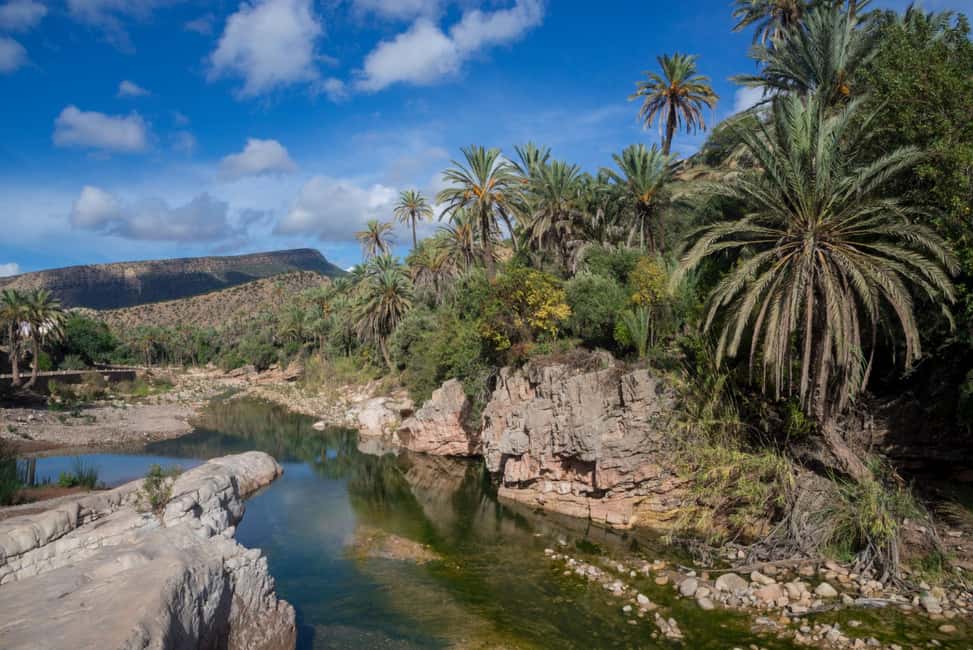
At around $21 per person, this is a budget-friendly way to visit Paradise Valley compared with the cost and hassle of arranging transport on your own. And you’re not paying just for a viewpoint.
Your ticket typically covers:
- Hotel pickup and drop-off
- A local guide
- The Paradise Valley tour with swimming time
- A botanic garden visit
For many people, the real value is the combination. You’re getting the physical highlight (swim) plus cultural stops that explain how locals use plants and natural ingredients.
What you’re not getting
- Lunch is not included in the base price.
- If you’re a picky shopper, be aware the day may include stops where purchases are encouraged.
Still, if you go in ready to swim and you plan your food budget, the price-to-experience ratio is strong.
Languages and guide style: how communication shapes the day
The tour runs with guides who can work in English, French, and Arabic. That matters because the explanations are part of what makes the day feel meaningful instead of rushed.
Some guides are described as switching between languages smoothly (French, English, German, with extra bits of other languages). Even if your language skills are limited, this kind of guide approach usually keeps you from feeling lost.
If you want the day to feel less like a checklist, choose your moments to ask questions—especially during botanic garden and argan-focused stops.
Who should book this trip from Agadir or Taghazout?
This is a great fit if you want:
- A single-day break from coastal life
- Real time in water, not just a quick photo stop
- A guide who explains the region beyond scenery
- A day that includes both nature and local craft/livelihood context
It’s also a good option for people staying in Agadir or Taghazout who don’t want to rent a car for one mountain swim day.
Who might reconsider
If you hate any form of shopping stop, you may feel annoyed by time spent in sales-adjacent environments. The valley swim is the priority, but the day is structured like a “tour with stops,” not like free-form exploration.
Should you book the Paradise Valley Atlas Mountains day trip?
Yes—if you’re going for the water, the mountain views, and a guide-led day that mixes nature with local plant and argan knowledge.
Book it if:
- You’re comfortable with walking over uneven, sometimes slippery ground.
- You want pickup convenience and a clear day structure.
- You like learning while you travel, even briefly.
Skip it or adjust your mindset if:
- You’re extremely time-tight and hate “extra stops.”
- You expect a private, no-wait experience.
If you do book, go prepared: good footwear, extra water, and a small cash buffer for food or small purchases. The payoff is a day that feels like you actually left the coast and saw how people and landscapes connect in the Souss-Massa region.
FAQ
Where does the Paradise Valley day trip depart from?
The tour departs from Agadir or Taghazout, with hotel pickup and drop-off included.
Does the price include the swimming part?
Yes. The Paradise Valley tour includes swimming, along with a local guide.
What else do you visit besides Paradise Valley?
You also visit the Honey Road of Immouzar and a botanic garden. There is also a visit related to a local women’s argan corporation.
Is lunch included?
Lunch is not included in the standard price. An upgrade may add lunch.
What languages are offered on the tour?
The tour is available in English, French, and Arabic.
What should I bring for the pool area?
Bring sneakers or other grippy footwear, and take extra water. The ground around the pools can be slippery.
Can I get a refund if my plans change?
Yes. You can cancel up to 24 hours in advance for a full refund.