REVIEW · AGADIR
Agadir: Discover Argan Tree-Climbing Goats on a Morning Tour
Book on GetYourGuide →Operated by SaharaSightsTours · Bookable on GetYourGuide
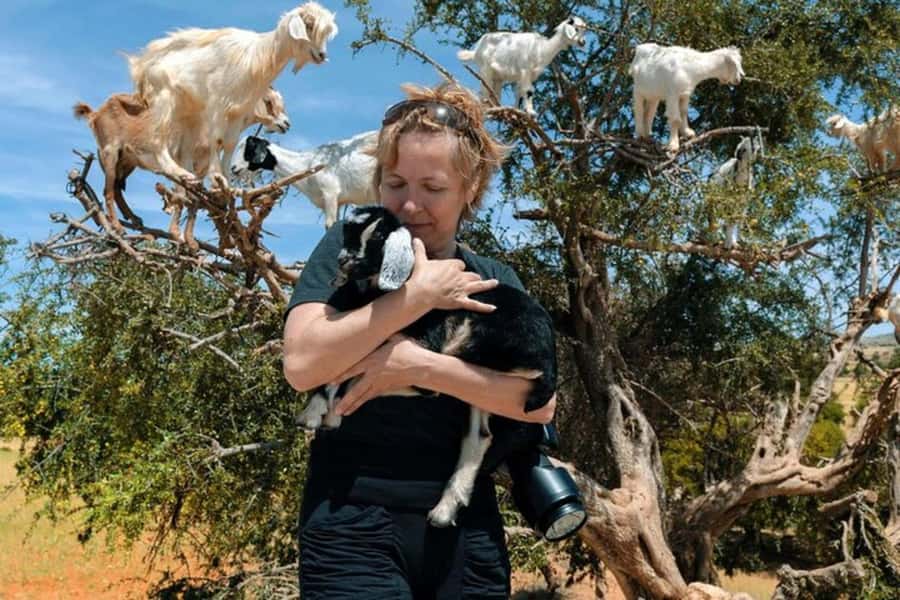
One of the world’s strangest goat sightings happens in Morocco. You’ll watch goats climb argan trees in Souss-Massa and then meet the Berber women’s traditional argan oil process at a local cooperative. I love how the morning feels calm and real, and I like that the tour mixes nature with hands-on culture. The main thing to consider is that the argan stop can feel a bit “sales-forward” and some parts may feel short if you want extra technical detail.
You start with a 9:00 AM pickup and return by about 11:30 AM, so this fits neatly between beach time and a bigger day trip. The ride is in an air-conditioned vehicle, and your guide can work in English, French, German, Spanish, or Italian (you may hear guides like Mohammed/Mohamed or Hassan mentioned). If you’re staying in Tamraght or Taghazout, pickup is included from your hotel area.
In This Review
- Key takeaways
- Why Agadir’s tree-climbing goats feel so special
- Pickup, timing, and how the 150-minute morning works
- The drive south of Agadir: what you’ll notice
- Seeing goats climb argan trees: the real show
- A small consideration for comfort
- The argan oil cooperative: tradition, tea, and how buying works
- How to handle the buying part
- Price and value: is $26 a fair deal?
- Who this tour suits best (and who might be less happy)
- Practical tips that make your morning smoother
- Should you book this Agadir morning tour?
- FAQ
- How long is the tour?
- What time does hotel pickup happen and when will I be back?
- Is hotel pickup and drop-off included?
- What languages are available for the live guide?
- What’s included in the experience itself?
- What does the tour not include?
- Can I cancel and book without paying now?
Key takeaways
- Rare argan-tree goat climbing you actually get to see up close in the morning.
- Berber-run argan oil cooperative where production methods are explained and you can taste and buy.
- Photo-friendly guiding, with help for pictures and video moments.
- Time-efficient 150 minutes, perfect for mornings when you want more than just the beach.
- Friendly animals and baby goat cuddles show up in many experiences on this tour.
- Bring layers since the area can feel cooler once you’re out of the Agadir heat.
Why Agadir’s tree-climbing goats feel so special
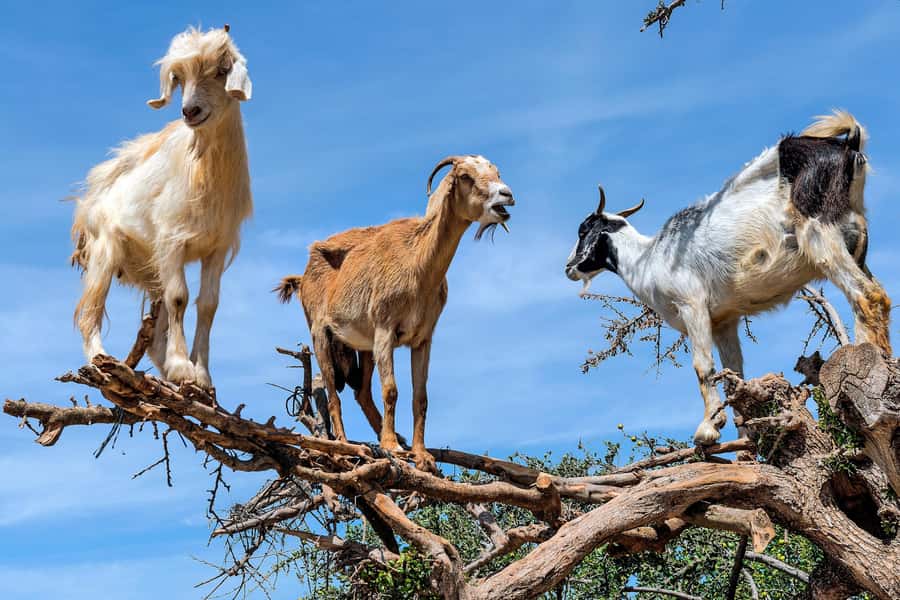
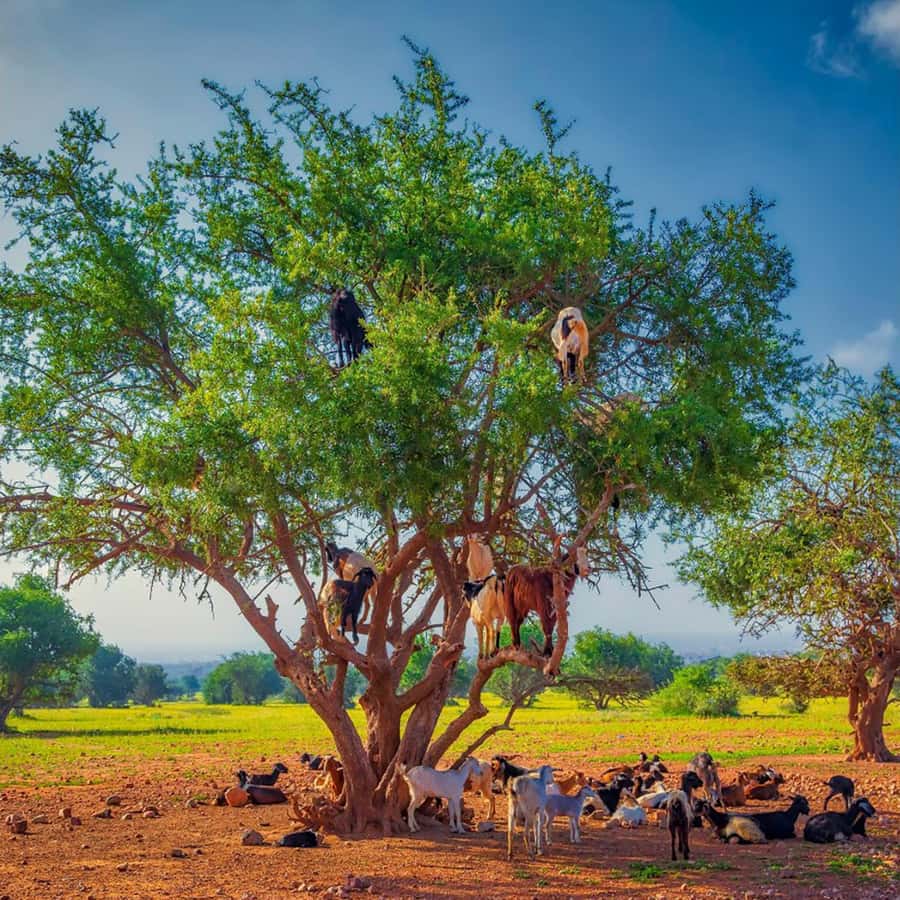
Agadir is known for sun and surf, but this tour turns the dial toward something far more unusual: goats climbing argan trees. These trees grow in Morocco’s Souss-Massa region, and the goats are there for a very specific reason—their search for argan fruit. It’s the kind of sight that looks almost staged until you’re standing there watching it happen.
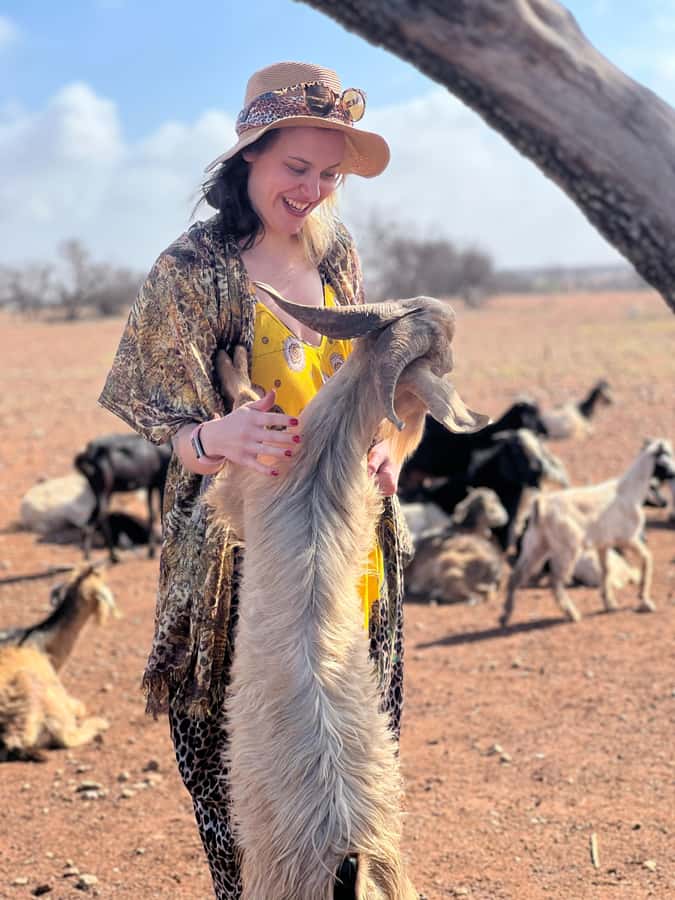
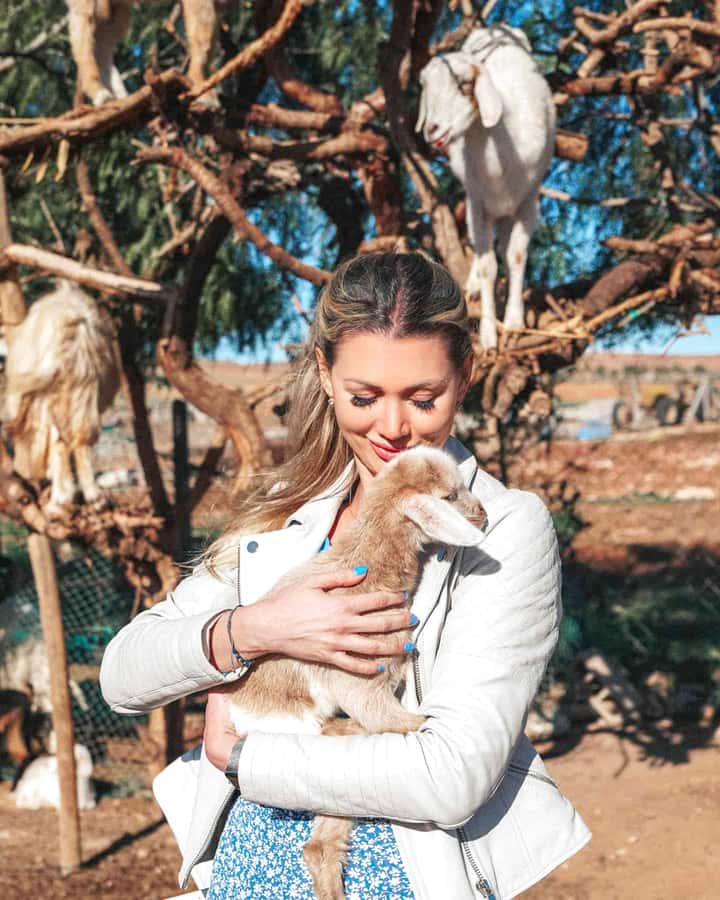
What I like best is the balance. You’re not just driving past a photo spot. You get time to watch behavior up close, including moments where goats move along branches with confidence that surprises you. And if you want a small, memorable animal interaction, you may get a chance to hold a young goat under the shepherds’ watch.
A quick reality check: the experience can vary depending on where the goats are positioned that morning. You might see them on a hillside or from the roadside. Either way, the core event is still there—the climbing—and the guides usually help you get the best view and photos.
A few more Agadir tours and experiences worth a look

Pickup, timing, and how the 150-minute morning works
This is designed as a short, easy morning outing. Your pickup starts at 9:00 AM, and you’re typically back at your hotel around 11:30 AM. That tight window matters in Agadir because you can keep the rest of your day open—no rushing, no losing the afternoon.
The tour runs about 150 minutes total, so you’ll spend meaningful time on the two main parts: the goat viewing and the argan cooperative. There isn’t a long list of stops. It’s mostly “go there, see the thing, learn the thing, return.”
Your transport is an air-conditioned vehicle, which is a real comfort factor in Morocco, especially if you’re starting from a hotel near the coast. Also, the guide is live and multilingual—useful if you want questions answered without language friction.
One more logistics note you’ll appreciate: pickup and drop-off are included, and pickup is listed for any location in Tamraght or Taghazout. If you’re outside those areas, you’d want to confirm what your operator can do, since the info only guarantees pickup from those neighborhoods.
The drive south of Agadir: what you’ll notice
The tour heads about 15 km south of Agadir, moving into the more rural edge of the Souss-Massa area. This short transfer is one reason the morning works well: you’re not stuck on the road for hours, but you do get a change of scenery.
During the drive, a good guide will usually point out what you’re seeing and what to expect next—where the goats tend to be and how the argan area is laid out. In the experiences shared by other visitors, guides like Mohammed/Mohamed often explain the route and help set you up for good viewing angles.
If you’re the type who likes context, this part can add value. Even without big sightseeing stops, it helps you understand why this is a regional specialty rather than a generic “tourist farm” setup.
Seeing goats climb argan trees: the real show
The heart of the tour is the goat spectacle. You’ll arrive near the argan tree area and watch goats climb into the branches to reach the argan fruit. It’s not a quick glance-and-go moment. You get enough time for watching, filming, and swapping positions for better angles.
Here’s how to make the most of your viewing time:
- Keep your phone ready, but also watch with your eyes for a minute first. Goats can move fast, and the best climbing moments happen between pauses.
- Stand where the shepherd/guide recommends so you’re not blocking someone else’s view.
- If the goats are calm, take short bursts of video. Longer takes often capture more waiting than climbing.
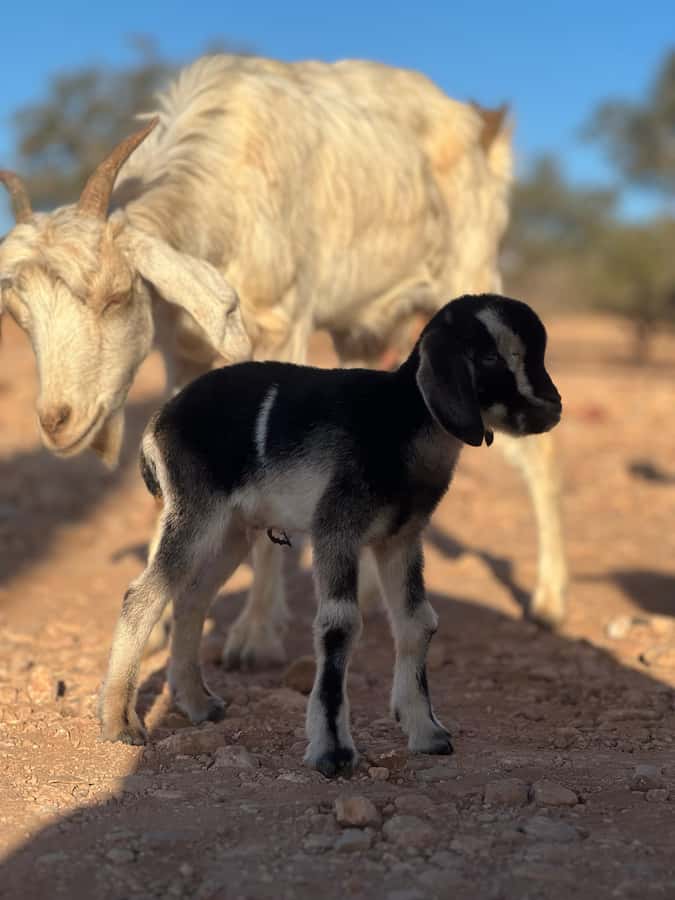
Many people love that the interaction isn’t just distant. You may be able to pet or cuddle baby goats (always with shepherd guidance). That’s a nice contrast to many animal encounters where you’re kept behind barriers.
You might notice that the goats seem especially comfortable in the trees. One useful expectation to carry in: you’re seeing an animal behavior that fits the farm setting, not just a random stunt. These goats are part of the local rhythm—handled by shepherds who know how to position animals and keep things safe.
A small consideration for comfort
Some mornings can mean a viewing moment that’s close to a roadside. If you’re sensitive to noise or you hate standing in crowds, choose a spot thoughtfully and use the guide’s cues to find the best balance of view and comfort. Also, pack for mild cool air—several visitors suggest bringing a long-sleeved top, since the area can feel cooler than the beach.


The argan oil cooperative: tradition, tea, and how buying works
After the goats, you’ll visit an argan oil cooperative. This is where the tour shifts from nature to craft. The focus is on how Berber women traditionally produce argan oil, and you’ll learn about the steps behind the final product.
In most experiences, the cooperative visit includes more than a quick look. You may see film content, get tea, and get a guided walk through the shop and what’s available. Guides often keep it simple and practical: what the products are, what they’re used for, and how the process works.
This is also where you’ll be offered the chance to buy argan oil directly from the source. Some people find it very friendly and easy going, while others feel the visit can lean toward sales. The key for you is to treat it like shopping with a lesson—not a hard pitch situation.
If you want to come away smarter (and not just with a bottle), ask direct questions:
- What’s the difference between types of argan oil being sold there?
- What is this oil typically used for, and how should it be applied?
- If there are multiple production styles, ask what step each product is tied to.
One visitor felt the explanation could have been more detailed about the old grinding method versus newer methods. That doesn’t mean it’s always that way, but it’s a good reminder: if you care about the mechanics, speak up. A short visit can still contain a lot—your questions shape what you walk away with.
How to handle the buying part
I like to set a simple rule before you go in: decide what you want before anyone starts recommending. If you’re buying for skincare, pick a specific use goal. If you’re buying as a souvenir, focus on what’s clearly labeled and packaged. That way, you get the tradition without feeling pressured.
And if you don’t want to buy, you can still enjoy the visit. Many people come for the story, the tea, and the chance to see production presented in a local setting.
Price and value: is $26 a fair deal?
At about $26 per person, this tour is priced like a solid half-morning experience. You’re paying for three things:
- hotel pickup and drop-off
- an included cooperative visit
- guided viewing of a rare animal behavior
You’re not paying for a long day with multiple distant stops. The duration is short and focused, which can be a big value if you want to maximize your time in Agadir. The argan oil cooperative component adds a cultural element, and the goat event is the real standout, since you won’t see this every day outside this region.
If you’re the kind of traveler who wants a slow paced morning, this can feel like the perfect fit. If you’re looking for deep technical detail on argan processing, you might want to be more selective about what you expect from a brief cooperative stop.
Who this tour suits best (and who might be less happy)
This tour is a strong match for:
- families looking for an engaging animal morning
- couples who want something different from beach-and-shopping
- travelers who like short excursions that return you early
- anyone curious about Berber crafts and argan oil
It might be less ideal if you:
- want a very long, detailed factory-style production lesson
- hate any shopping element, even a gentle one
- prefer remote, quiet nature over seeing animals from a more public roadside or viewing area
For most people, though, the combination works. You get the main spectacle first, then you get context through the cooperative and tea.
Practical tips that make your morning smoother
A few small things can upgrade your experience fast:
- Wear layers. Even if Agadir is warm, the morning near the argan area can feel cooler.
- Bring a hat and sunglasses for the drive and viewing, but also consider comfortable shoes. You may be standing for a while.
- Use sunscreen anyway. The sun hits quickly, especially when you’re outdoors and taking photos.
- If you care about photos, listen to your guide for where to stand. In multiple experiences, guides helped with picture and video moments, which often makes the difference between average and great shots.
- Plan your purchases with intention. Sample first, decide what you actually want, and don’t feel you must buy just because products are available.
If you’re traveling in a group with different interests, this tour still holds up because the goat part keeps attention high while the cooperative gives enough cultural detail to satisfy craft-minded people.
Should you book this Agadir morning tour?
I’d book it if you want a short, memorable morning with a rare animal sighting and a real look at how argan oil is presented by a local cooperative. The structure—pickup at 9:00, goats first, cooperative after, back by around 11:30—fits the way many people want to travel in Agadir: one good morning, then freedom for the rest of the day.
I’d think twice if you’re only interested in a deeply technical argan production lesson or you dislike shopping stops in any form. The cooperative visit is informative, but it’s not built like a full-day workshop.
If you’re flexible, curious, and okay with a fun animal interaction plus a short cultural stop, this is very much the kind of tour that earns its spot on your list.
FAQ
How long is the tour?
The duration is listed as 150 minutes, roughly a 2 to 3-hour morning outing.
What time does hotel pickup happen and when will I be back?
Pickup is at 9:00 AM, and the tour concludes with drop-off at your hotel by about 11:30 AM.
Is hotel pickup and drop-off included?
Yes. Hotel pickup and drop-off are included, and pickup is stated for locations in Tamraght or Taghazout.
What languages are available for the live guide?
The live tour guide is available in English, French, German, Spanish, and Italian.
What’s included in the experience itself?
You’ll include watching the goats on argan trees and a visit to an Argan oil cooperative.
What does the tour not include?
The tour notes that personal expenses are not included.
Can I cancel and book without paying now?
The tour offers free cancellation up to 24 hours in advance for a full refund. It also has a reserve now & pay later option, where you can book and pay nothing today.